Stanley, NC · Gaston County
Water Damage Restoration in Stanley
A spreading puddle can reach materials that still look dry. Restoration starts by stopping the release, tracing its route through the property and choosing cleanup methods for the water involved.
(888) 578-4720Discuss Stanley water damage- Standing water removal
- Material moisture checks
- Sewage cleanup
Describe the source, affected rooms and any unsafe conditions when requesting help with a wet property.
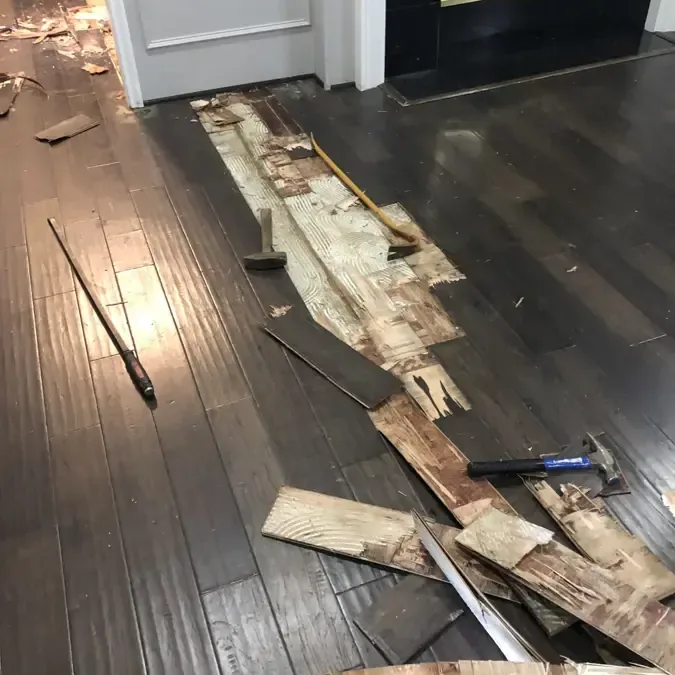
Before cleanup begins
Make the wet area safer to assess
- Stay outside hazardsOccupants should avoid water near electrical equipment, weakened ceilings or sewage. A safe route matters more than reaching belongings across an affected room.
- Stop a controllable sourceA safely accessible shutoff may stop a plumbing release. Repairs involving electricity, gas or concealed pipes belong with the appropriate trade professional.
- Limit movement through waterKeep children and pets away from wet rooms. Shoes, boxes and movable contents can spread dirty water into areas that were previously unaffected.
- Record what changedPhotographs from a dry position should show the source and damage. Save relevant repair information and note which rooms developed visible moisture first.
- Explain the conditionsDescribe pooled water, ceiling movement, odors and affected surfaces. Those observations help establish what inspection and removal work the property may need.
Choose the affected area
Different leaks need different cleanup decisions
A tank failure, overflowing toilet and rain soaked ceiling leave different materials wet. Explore water extraction and the services below for the next decisions about each affected space.
 Water ExtractionStanding water needs controlled removal before moisture beneath coverings and along room edges can be assessed.Explore this service
  Burst Pipe Water DamagePressurized spray can wet wall cavities beyond the puddle visible beneath a broken plumbing connection.Explore this service
 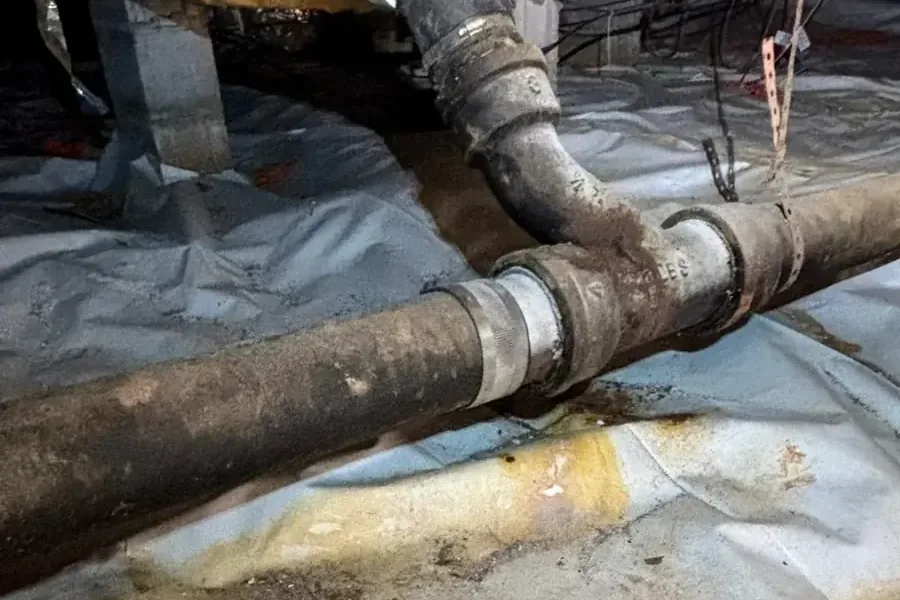 Frozen Pipe Water DamageA thawing pipe needs attention at the failure point and wherever newly released water travels.Explore this service
  Slab Leak Water DamageFloor level moisture calls for leak location and inspection beneath the affected surface finish.Explore this service
  Ceiling Leak Water DamageSagging panels and wet overhead insulation require restricted access before anyone works beneath the damage.Explore this service
 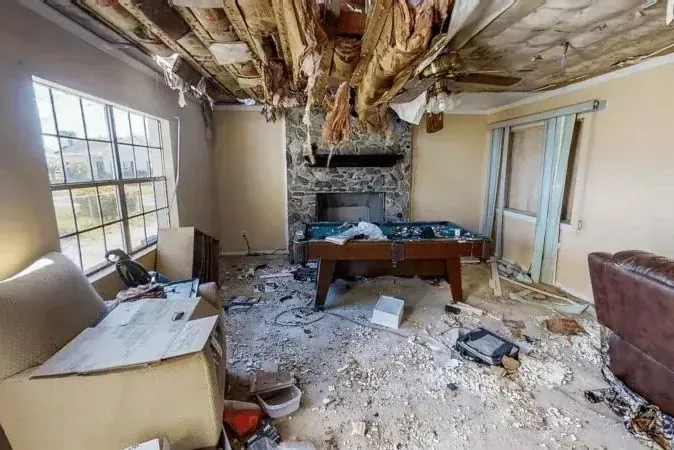 Roof Leak Water DamageRain entering overhead can follow framing before appearing far from the original roof opening.Explore this service
  Storm Flood CleanupOutdoor floodwater brings cleanup decisions about sediment, contaminated porous materials and safe access indoors.Explore this service
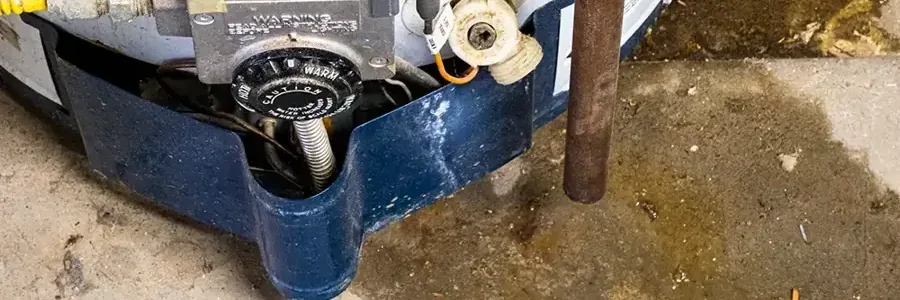
 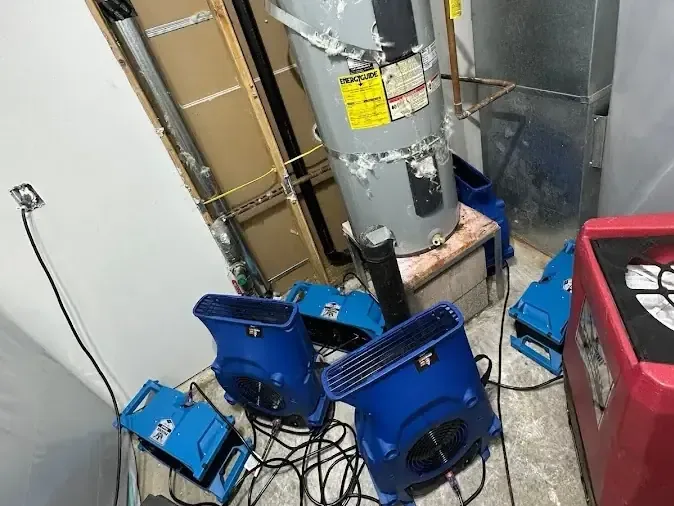 Water Heater Leak CleanupWater around a failed tank can escape beneath partitions and soak adjacent storage areas.Explore this service
 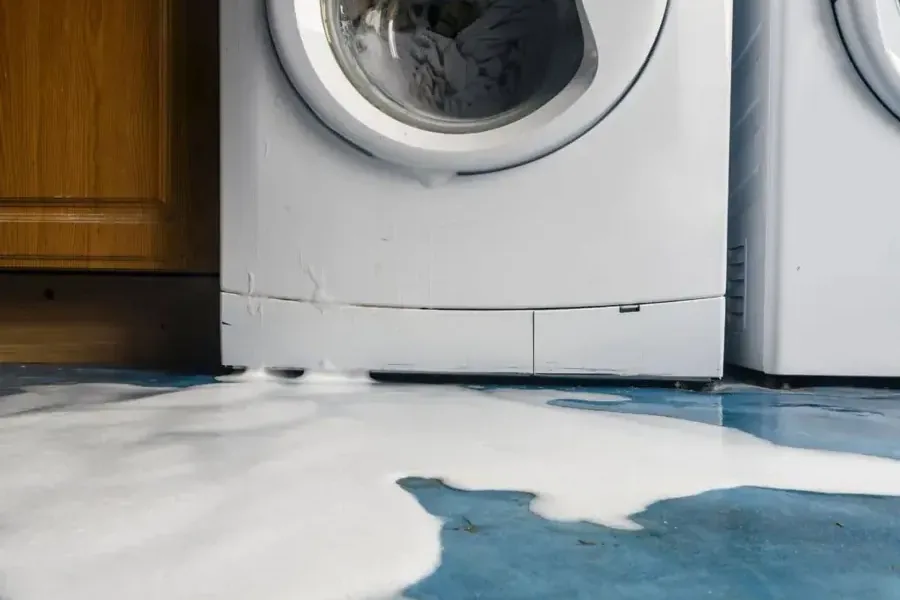 Appliance Leak Water DamageHidden connections behind washers or dishwashers can leave cabinet bases wet after visible spills disappear.Explore this service
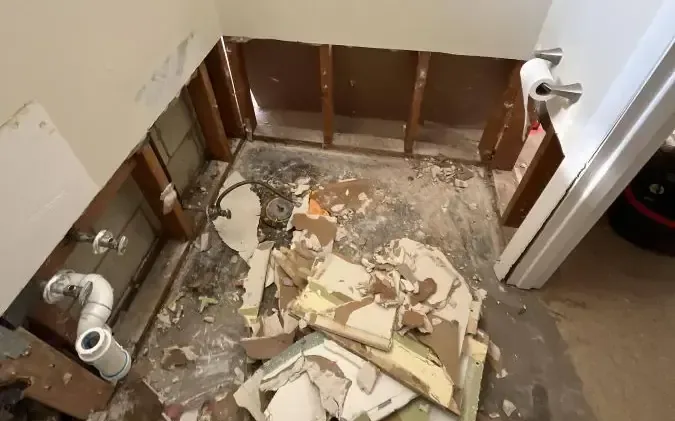
 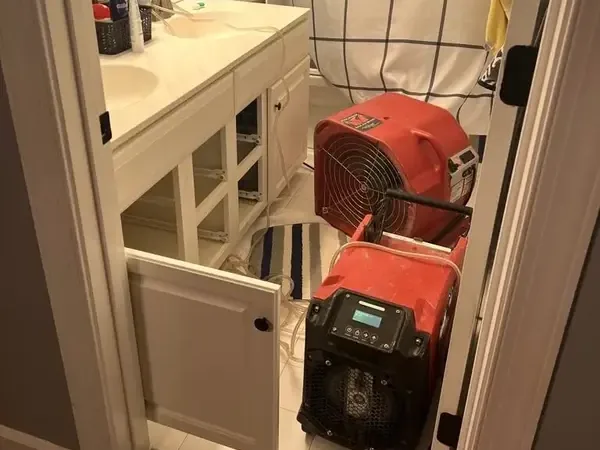 Toilet Overflow CleanupAn overflow must be contained while the blockage and affected bathroom materials are evaluated.Explore this service
  Sewage Backup CleanupWastewater entering occupied rooms requires controlled access, careful removal and cleaning before drying begins.Explore this service
 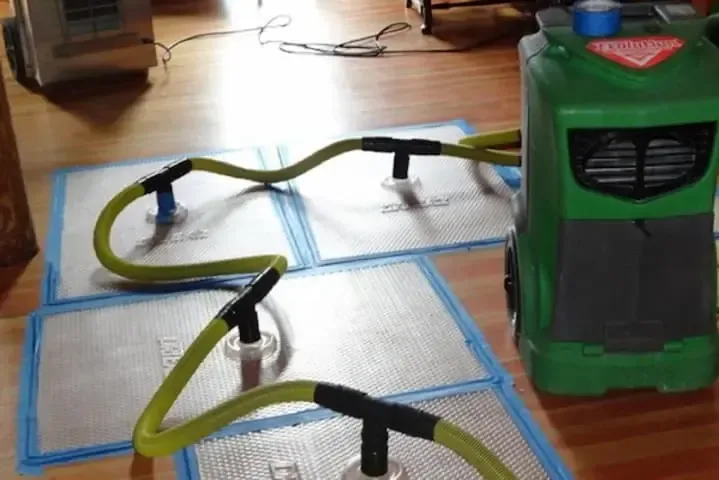 Hardwood Floor Water DamageChanges in board edges need moisture testing above and below the visible wood surface.Explore this service
 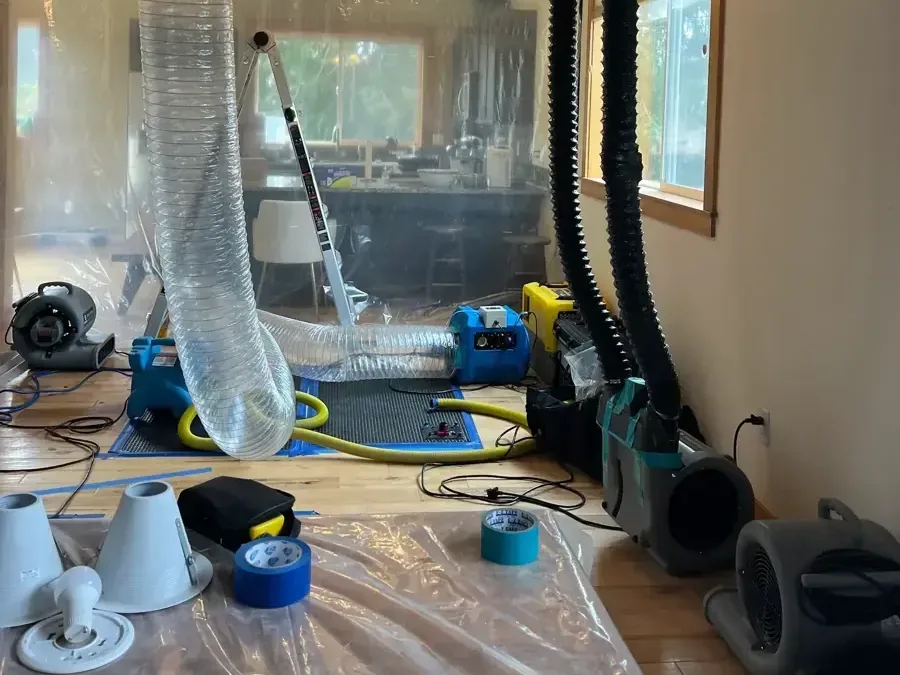 Structural DryingRepeated material readings show whether equipment is reaching the moisture held inside building assemblies.Explore this service
  Commercial Water DamageBusiness cleanup plans separate wet work areas from stock, equipment and usable customer spaces.Explore this service
 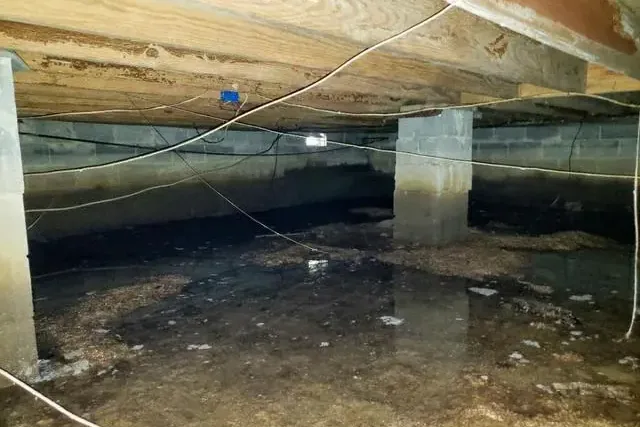 Crawl Space Water RemovalUnderfloor water removal includes inspection of wet insulation, exposed wood and the route of entry.Explore this service
 A measurable recovery
Follow moisture beyond the obvious puddle
A dry looking surface is only part of the picture. Structural drying combines access and material measurements so concealed wet layers receive attention before the building is closed again.
Trace the path
An inspection follows staining and moisture into adjoining finishes, recording where the release spread and which rooms remain usable during the cleanup work.
Remove retained water
Extraction equipment collects accessible liquid while saturated materials receive individual assessment. Contamination, condition and access influence what can remain in the drying area.
Manage the air
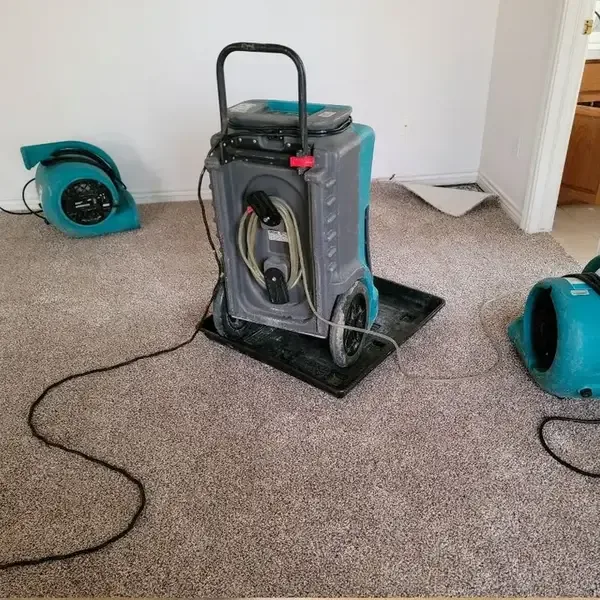
Air movement and dehumidification work together in a defined space. Equipment placement changes when readings show that an assembly needs more direct access.
Assess before closure
The final assessment compares moisture readings and records any repairs still needed. Replacement finishes follow a satisfactory assessment of the materials beneath them.
- Source addressed first
- Drying checked repeatedly
- Work scope documented
Practical restoration decisions
Keep the building assessment specific
Stanley has downtown businesses on Main Street and gathering places such as Harper Park. Each affected property still needs a cleanup plan built around its own rooms and materials.
Clear source distinction
A supply leak and a drain backup require different responses. Identifying the release helps determine handling precautions and the appropriate repair contact.
Attention to boundaries
Water can cross beneath a partition without leaving an obvious surface trail. Inspections include adjoining areas when the initial moisture readings point farther.
Useful written records
Photographs and measurements connect the work to the affected materials. Records help explain removal decisions and support later discussions about repairs and payment.
A defined stopping point
Equipment stays tied to material conditions instead of an arbitrary calendar. The drying assessment identifies progress, remaining moisture and any inaccessible areas requiring attention.
Cleanup cost considerations
What changes a Stanley restoration estimate?
Water damage work in Stanley varies with the amount of retained water, contamination and the layers affected. An inspection establishes the removal and drying scope before a property owner compares repair costs.
Limited interior release
$1,000 to $3,000- Accessible liquid in a contained space
- Few wet layers beneath surface finishes
- Straightforward access for extraction equipment
Several affected assemblies
$3,000 to $7,000- Moisture spread into adjacent room materials
- Removal needed to expose wet backing
- Drying equipment serving several connected areas
Extensive cleanup needs
$7,000 to $10,000+- Contamination affecting multiple porous building materials
- Broader removal and controlled handling requirements
- Difficult access to concealed wet spaces
These planning ranges cover differing cleanup conditions. The written estimate should identify inclusions and distinguish drying work from plumbing repairs and reconstruction.
Understand the water involved
The source affects handling and removal
Plumbing supply release
Water from a supply failure still needs assessment for its travel path and contact with building materials. Prompt extraction limits further movement through finishes.
Assess pooled waterEquipment discharge
Appliance water may include residues and can collect beneath fixed cabinets. Cleanup considers both the discharge and the hidden surfaces it has soaked over time.
Inspect appliance damageWastewater entering rooms
A sewage release changes access and material decisions. Contaminated porous contents require assessment before any drying airflow is introduced into the affected occupied space.
Assess wastewater cleanupInside a water damage job
Removal and drying reach behind visible finishes
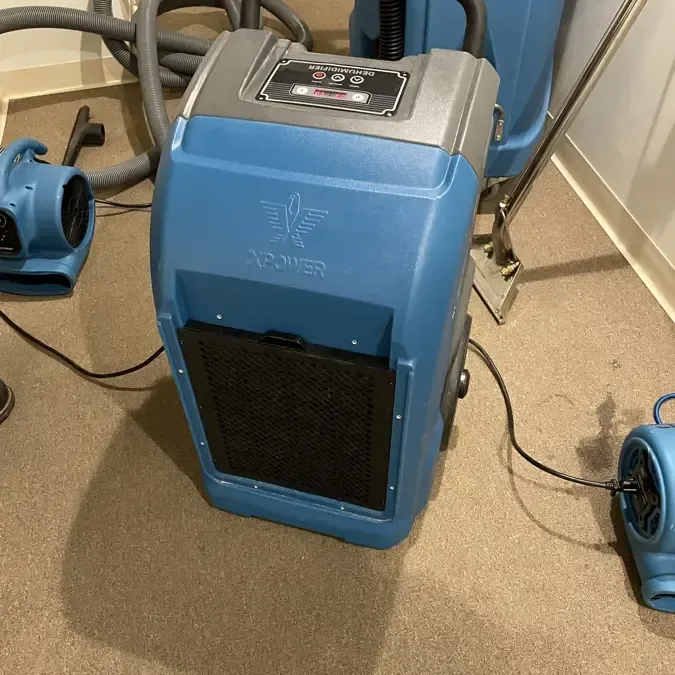
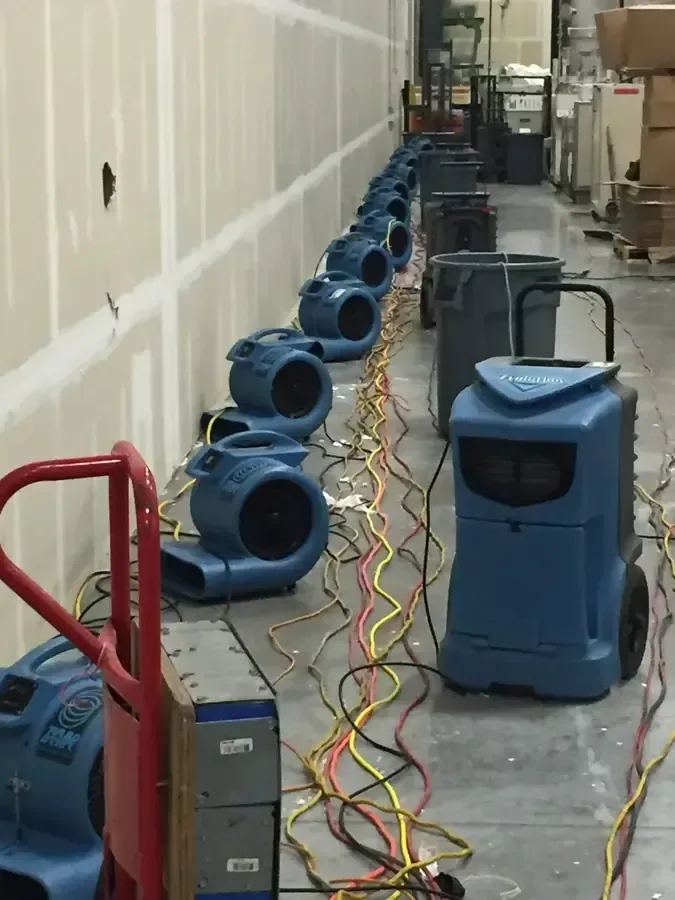
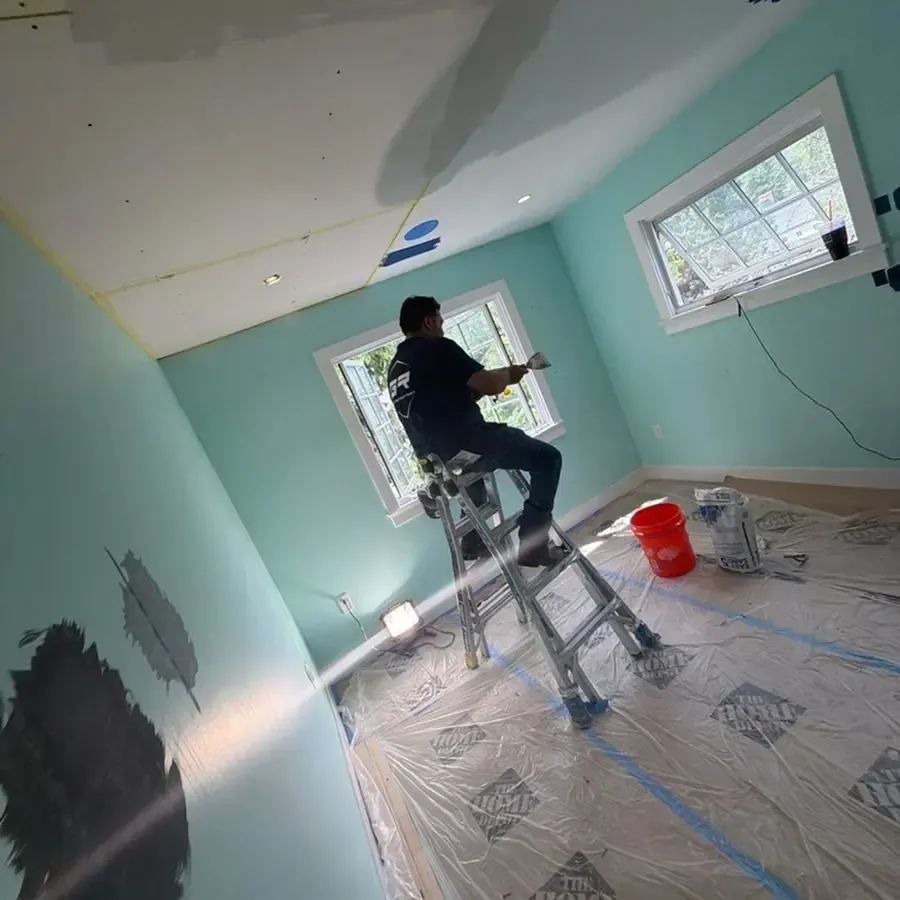
Stanley properties
Describe the location and access
The postal area extends beyond town limits
ZIP code 28164 serves Stanley, and the postal area extends beyond the municipal boundary. Give the property's location directly when discussing access and the affected building.
Brevard Station Museum is downtown, while Mountain Island Educational State Forest is outside town. A landmark reference can supplement location details when arranging a property assessment.
- 28164
Recognizable local places
- Main Street
- Brevard Station Museum
- Harper Park
- Downtown Stanley
Water and wastewater in town
Separate public systems from indoor damage
The town's water supply uses Mountain Island Lake, while Public Works maintains municipal wastewater collection. Inside a damaged building, inspection identifies the actual release and the materials requiring cleanup.
2023 wastewater report: The wastewater report described sewer replacement in the Brevard Basin to address infiltration and inflow, alongside force main replacement for the Meadows lift station.
- Grease in drains: The town wastewater report warns that grease blockages can push wastewater into homes. Kitchen grease belongs outside drains and garbage disposals, reducing a preventable blockage source.
- Indoor supply escapes: A leaking fixture can soak flooring even while the public water system operates normally. Identify the leaking component and check nearby finishes for concealed moisture movement.
- Water beneath coverings: A small visible puddle may sit above a larger wet layer. Edge checks and moisture measurements help identify water caught beneath floor coverings and cabinet bases.
- Rain reaching interiors: A wet ceiling after rain needs inspection above the stain. The entry point, wet insulation and travel along framing shape the interior removal and drying plan.
- Wastewater at fixtures: Repeated drain overflow needs a plumbing investigation as well as cleanup. Public Works maintains municipal collection, while the affected building needs its own damage assessment and precautions.
01What should happen before wet flooring is removed?
The water source, electrical conditions and contamination should be assessed first. Moisture checks then identify affected layers and adjoining rooms. Removal decisions should account for material condition and whether the assembly can be reached effectively for drying.
02Does Stanley's ZIP code match the town boundary?
No. The Stanley postal area extends beyond the municipal boundary. The property location should be provided directly when requesting an assessment, along with access details and the rooms affected, so a postal label does not substitute for location information.
03Can water spread beyond the room with a puddle?
Yes. Liquid can pass through joints, under partitions and beneath floor coverings. A damage assessment follows those routes using visible observations and moisture readings rather than stopping at the edge of the water visible on the surface.
04What if a ceiling starts to sag?
People should leave the space beneath it and avoid disturbing the panel. Retained water and wet materials can fall. Safe inspection above and around the damage comes before opening the ceiling or placing equipment under the affected area.
05Who maintains the town's wastewater collection system?
The Town of Stanley Public Works Department operates and maintains municipal wastewater collection. A backup inside a building also needs assessment of affected materials and the plumbing issue, with contaminated areas kept separate from occupied rooms during cleanup.
06Can a business stay open during restoration work?
That depends on safe access, contamination and the position of the wet area. A plan can identify usable spaces and protected contents, but customers and staff should stay outside cleanup zones until conditions support reopening those areas safely.
07Is ordinary household ventilation enough to dry concealed damage?
Air at an open window may not reach moisture under flooring or inside a wall. Drying needs access to wet materials, appropriate humidity control and repeat readings that show whether the affected assembly is actually losing retained moisture.
08How does the cleanup estimate handle hidden damage?
The first scope reflects accessible conditions. If inspection or removal reveals wet insulation or backing, the estimate should describe that discovery and its effect on the work. Clear records help a property owner assess changes before reconstruction begins.
09When can replacement finishes cover the damaged area?
After the source is controlled, affected materials have been evaluated and drying has reached appropriate goals. Closing an assembly early can trap moisture. The completion assessment should also identify any remaining plumbing, roof or finish repairs separately.
24/7 water damage response
Start with the water source and affected materials
Discuss the Stanley property, the visible damage and access conditions to begin arranging an assessment of removal and drying needs.