Cornelius, NC · Water damage response
Crawl Space Water Removal in Cornelius, NC
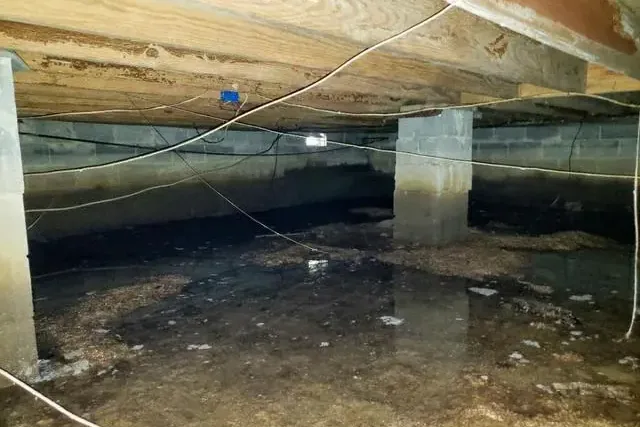
Water under a raised floor can wet insulation, joists and the lower side of the subfloor. The response team assesses safe underfloor access, pumps standing water and measures retained framing after the entry source has been controlled.
(888) 578-4720Assess the water below the floor- 24/7 underfloor-loss dispatch
- Safe access before pumping
- Joist and subfloor moisture checks
First steps
First steps for crawl space water removal
- Stay outside the openingOccupants should not crawl into standing water to investigate. Low clearance, utilities and unseen debris can make the space unsafe even when the water appears shallow.
- Describe the visible entryFrom a safe position, the household can report water at the hatch, a suspected pipe leak or outside flow. The crew still needs to inspect the actual source and underfloor condition.
- Keep equipment out until assessmentHousehold fans, extension cords and pumps can create electrical or contamination hazards beneath the floor. The team selects equipment and a safe discharge route after reviewing the space.
- Report changes above the areaDamp flooring, soft spots or new stains in the room above can indicate connected moisture. Those observations help the technician plan measurements on both sides of the floor assembly.
Planning costs
What does crawl space water removal cost in Cornelius, NC?
Crawl space water removal and drying often require $1,500 to $7,000. Access, water volume, contamination, insulation and the wet framing area determine the work. Plumbing repair, drainage alterations and new encapsulation need separate evaluation and pricing.
Accessible underfloor water
$1,500 to $3,000- Safe entry and initial source assessment
- Pumping with an appropriate discharge route
- Measurements at joists and subfloor
Wet insulation and wider spread
$3,000 to $5,000- Controlled handling of affected insulation
- Cleaning decisions based on water source
- Equipment and repeated framing readings
Restricted or contaminated space
$5,000 to $7,000+- Additional access and contamination controls
- More material removal and waste handling
- Separate review of structural repair needs
Estimate only. The water damage cost calculator shows how wet area, contamination and material choices affect the planning range.
Measured work
The crawl space water removal process
Assess entry and utilities
The crew evaluates clearance, electrical hazards and the water source before anyone enters. The work plan includes a safe access and equipment route.
Remove standing water
Pumping reduces the accumulated liquid. The discharge plan must avoid sending water back toward the structure or spreading contamination into unaffected areas.
Check underfloor materials
The technician examines insulation, joists and subfloor for moisture and damage. Material retention or removal follows the observed condition and water category.
Dry and remeasure
Controlled equipment addresses retained framing after source control and cleaning. Readings from representative locations document the underfloor condition before the work concludes.
A crawl-space puddle is only the visible part of an underfloor loss. Insulation can hold water against timber, and the underside of the subfloor may stay wet after pumping. The assessment connects those materials with any changes in the occupied room above.
Confirm the foundation before choosing the service
A home near Lake Norman needs its foundation type confirmed before an underfloor inspection. Buildings along Catawba Avenue and near the Rocky River drainage area need their actual foundation checked. This service applies where the property has an accessible underfloor assembly, not as a claim about most houses in town.
- Insulation may conceal wet framing and need removal for effective inspection.
- A plumbing release and outside water require different contamination decisions.
- Low clearance can change the pumping, handling and monitoring plan.
- Floor movement or visibly damaged framing needs an appropriate structural assessment.
Pumping does not finish the underfloor dry-out
The extraction crew removes accumulated water, then the technician measures the retained assembly. Air movement and dehumidification must suit the space and safe utility capacity. A wet subfloor can affect the finish above, so readings should not stop at a joist near the access hatch.
Standing water can conceal damaged wiring, sharp debris and contaminated material in a space with limited movement. Occupants should not enter to place a pump or pull wet insulation down. The crew first evaluates access, utilities and the source, then establishes the appropriate protective measures. Any indication of unstable framing or unsafe conditions requires the relevant assessment before extraction and material handling proceed underneath the building.
Document drying separately from future improvements
A moisture record describes the condition after mitigation. Repeated water entry needs a separate assessment of the source, drainage and any repairs needed to keep the underfloor space dry. Ready.gov flood safety addresses water-related hazards, and EPA indoor air information provides environmental context. The proposed repair or improvement should follow the inspected source and building condition.
Coverage
Crawl space water removal in Cornelius
The restoration team serves ZIP 28031, including the Catawba Avenue corridor and homes near Lake Norman. Crews check the actual source and wet materials at each property. Coverage also includes Mint Hill, Pineville, Westport, Sherrills Ford and Stanley.
Related services
Related water damage services in Cornelius
Questions
Crawl Space Water Removal questions in Cornelius
(888) 578-4720Discuss the underfloor water and access01Can the household pump the space out first?
Safe access, utilities, contamination and discharge need assessment before equipment enters. A household pump and extension cord can introduce hazards. The response team determines the appropriate removal method for the inspected underfloor conditions.
02Does every wet crawl space need new insulation?
The source, material condition and ability to dry determine the decision. Saturated or contaminated insulation may need removal, while the retained framing still requires measurement. The technician records the rationale for each affected layer.
03Why inspect the floor from above?
Moisture can reach the underside of a finished floor and affect its backing. Measurements above and below help connect the damage. A dry joist near the hatch does not represent the whole assembly.
04Is this service an encapsulation installation?
No. Water removal and drying address the existing loss. Encapsulation, drainage changes and plumbing repairs require separate assessment and scope. The cleanup should not imply that every property needs the same improvement.
05Can an underfloor loss be reported after hours?
24/7 dispatch supports urgent water damage assessment. The team needs the location, suspected source and visible conditions. Occupants should remain outside the space while safe access and the next steps are evaluated.
06How is the final condition documented?
The technician records representative moisture readings in retained joists, subfloor and connected materials. The report identifies any remaining repair concerns and separates completed drying from structural or source work requiring another professional.
24/7 water damage response
Pumping starts the crawl-space assessment
The team removes accumulated water and documents the retained framing and subfloor after source control and cleaning.