Standing water inside the building
Water Extraction in Stanley
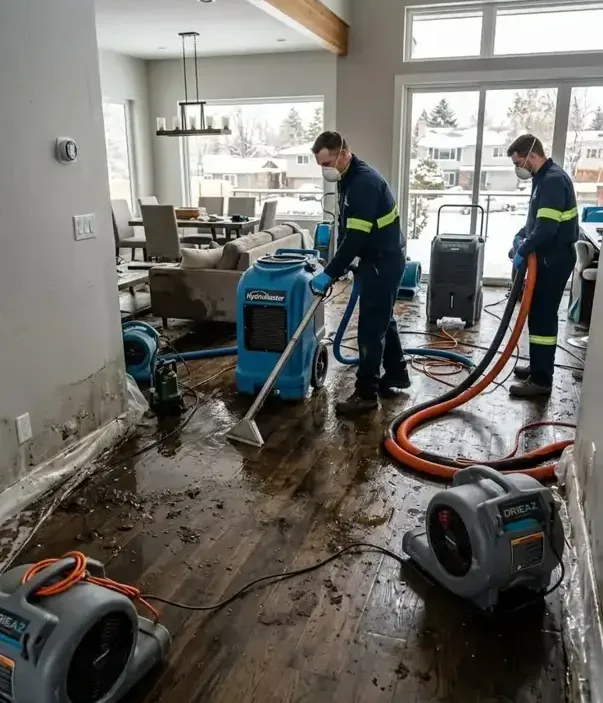
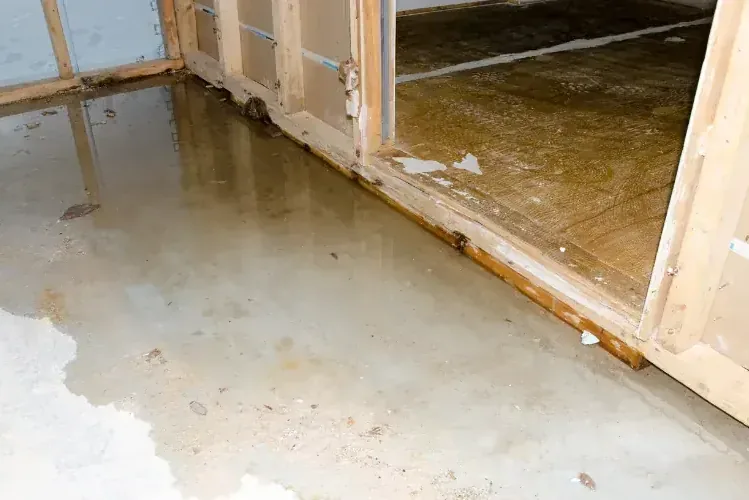
Pooled water hides floor seams, thresholds and electrical hazards. Extraction begins with a safe way into the affected area, then follows the liquid into adjoining materials before the remaining moisture becomes a drying problem.
(888) 578-4720Arrange Stanley standing water removal- Accessible liquid collected
- Floor edges inspected
- Drying needs measured
First steps
First steps for water extraction
- Keep the route dryOccupants should remain outside pooled water if outlets, cords or equipment are involved. Access should be evaluated before anyone crosses the wet floor to reach belongings.
- Identify an ongoing releaseReport whether water is still entering and where it first appeared. A safely accessible supply shutoff may help, while an unknown source requires further inspection.
- Protect adjacent clean spacesAvoid carrying dripping items through unaffected rooms. Contents can be assessed where they sit until a suitable route and handling method have been established for removal.
- Document visible water levelsPhotographs taken from a safe position help show the original extent. Describe any water beneath doors or around cabinetry so the inspection includes those concealed edges.
Planning costs
What does water extraction cost in Stanley, NC?
Stanley water extraction estimates depend on the volume that can be collected, the number of affected rooms and the water condition. Flooring access and concealed pockets can add work beyond the first visible puddle.
One accessible room
$800 to $1,500- Surface liquid within a manageable area
- Clear access to the affected flooring
- Initial assessment beneath reachable floor edges
Several wet rooms
$1,500 to $3,000- Water crossing more than one threshold
- Additional passes across connected floor areas
- Moisture checks around shared interior partitions
Deep or contaminated water
$3,000 to $4,500+- Removal equipment suited to difficult conditions
- Handling precautions for dirty water contact
- Concealed pooling needing further access decisions
Estimate only. The water damage cost calculator shows how wet area, contamination and material choices affect the planning range.
Measured work
The water extraction process
Evaluate the puddle
The inspection identifies probable origin, depth and safety concerns. A working route is selected before hoses and collection equipment are brought into the wet space.
Collect accessible water
Removal proceeds across accessible surfaces and edges. Equipment choices reflect the water conditions and flooring so the extraction method fits the actual affected area.
Recheck the perimeter
Measurements and visual checks follow the room boundary, thresholds and fixed furnishings to locate moisture that remains beyond the main extraction path.
Set the next scope
Wet materials receive a drying or removal decision. The recorded findings distinguish completed liquid removal from the moisture control and repair tasks still required.
A doorway can look like the end of a spill while water continues beneath the flooring. In downtown Stanley, where businesses center on Main Street and Brevard Station Museum occupies a downtown setting, an indoor release needs a room by room assessment of this hidden spread.
Removal equipment needs a clear working area
Before extraction, the inspection considers electricity, unstable finishes and the route used to carry hoses through the property. Contents on the floor can obstruct removal or transfer water into dry rooms. Accessible items receive a handling plan that keeps contaminated materials apart from clean belongings.
- Thresholds can hold water against adjoining floor finishes after the central puddle disappears.
- Cabinet toe spaces may conceal liquid that ordinary surface wiping cannot collect effectively.
- Wet rugs need assessment of both their backing and the flooring directly underneath.
- Moisture near electrical devices requires safety evaluation before extraction equipment enters the area.
The liquid and the building need separate attention
Extraction handles water that can be physically collected. Drying addresses moisture retained within materials. A floor may feel substantially better after a removal pass yet still have wet backing. Testing along the perimeter helps decide whether further extraction, selective opening or directed drying is appropriate.
The Town of Stanley Public Works Department operates municipal wastewater collection. An indoor puddle needs its own source assessment, whether it appeared near a fixture or spread from another room. Sewage changes handling precautions and removal decisions. A property description near Harper Park can help identify location, while observations inside the building determine what kind of cleanup equipment and containment the loss requires.
A useful handoff into drying
After liquid removal, the assessment records affected materials and remaining readings. Areas that cannot be reached beneath fixed finishes need an access decision. The structural drying service explains how controlled airflow and moisture checks continue the work once standing water no longer covers the floor.
Coverage
Water extraction in Stanley
Stanley extraction assessments include downtown properties and locations identified around Harper Park. The postal area associated with 28164 extends beyond municipal limits, so the property's location and entry conditions should accompany a request for service.
The same service nearby: water extraction in Cornelius, Westport, Sherrills Ford.
Related services
Related water damage services in Stanley
01Can extraction remove moisture trapped inside a wall?
It collects reachable liquid. Moisture within wall materials may need separate access and drying, especially where a base plate or insulation remains wet after the floor surface has been cleared.
02Should furniture be dragged out of pooled water?
Heavy contents can damage wet finishes or create a hazardous route. Movement should follow an assessment of stability, contamination and a dry place to receive the items.
03Is a household vacuum suitable for the first pass?
Ordinary vacuums should not contact water. Even equipment intended for liquid pickup requires safe electrical conditions and an appropriate assessment of what the water contains before operation.
04Why inspect a room that looks unaffected?
Water can move beneath a threshold without covering the next floor surface. Edge measurements help identify whether that adjoining room has retained moisture needing attention.
05Will removing water also repair the leak?
Extraction and source repair are separate tasks. The leaking component needs appropriate repair, while removal and drying address the water already released into the building.
06What details help when arranging extraction?
The source if known, affected floor types, standing water location and access hazards are useful. Photographs from a safe position can help explain what changed before the assessment.
24/7 water damage response
Get the floor conditions assessed
Explain the affected rooms, visible water and any electrical concerns before a cleanup visit is arranged.