Water damage across business operations
Commercial Water Damage in Stanley
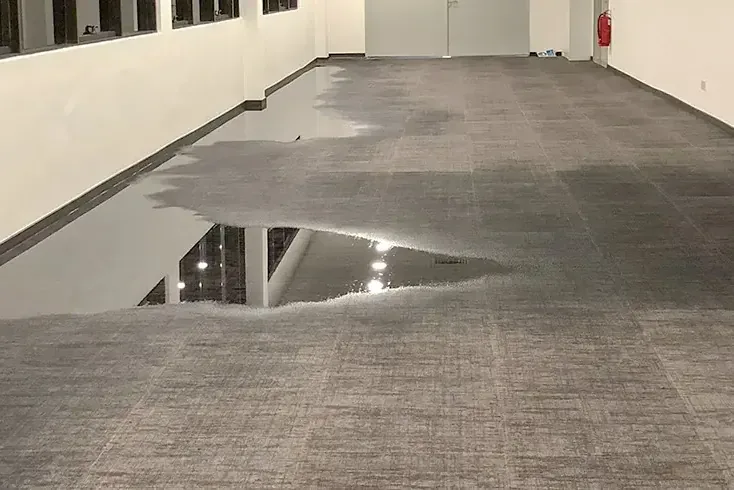
A wet business floor affects more than its finish. Staff routes, stored stock and customer access all shape the cleanup plan, which needs to identify usable spaces while extraction and drying address the affected building materials.
(888) 578-4720Discuss Stanley business water damage- Occupied area separation
- Stock handling decisions
- Documented restoration work scope
First steps
First steps for commercial water damage
- Establish a safe staff boundaryKeep staff and customers outside the affected area until hazards are assessed. A route to a dry room must also be dry and suitable, rather than crossing the active cleanup zone.
- Identify responsible property contactsThe business and property representatives should share source information and access needs. Clear communication helps coordinate inspection of adjoining rooms, shared finishes and any repairs outside the immediate occupied business space.
- Document stock and equipment exposureRecord wet packaging, floor stored items and equipment within the water path from a safe position. Contents handling should protect unaffected inventory while leaving the damaged building surfaces accessible to assessment.
- Describe operational access prioritiesExplain which spaces are needed for essential activity and how they are normally reached. The scope sets work boundaries and identifies adjoining rooms needing a safety check before staff or customers return.
Planning costs
What does commercial water damage cost in Stanley, NC?
Commercial water cleanup costs in Stanley reflect the wet footprint, contents handling and access constraints. Multiple rooms, contamination or shared building assemblies can increase the scope beyond liquid removal from an otherwise accessible business floor.
Contained business area
$2,500 to $5,000- Water limited to an accessible workroom
- Defined inventory movement around affected surfaces
- Focused removal and material moisture assessment
Several rooms or tenant areas
$5,000 to $9,000- Wet finishes extend across connected business spaces
- Coordination needed for adjoining property access
- Equipment and cleaning serve multiple areas
Broad commercial involvement
$9,000 to $15,000+- Extensive contents and building material exposure
- Complex boundaries around ongoing property activity
- Broader removal before controlled assembly drying
Estimate only. The water damage cost calculator shows how wet area, contamination and material choices affect the planning range.
Measured work
The commercial water damage process
Survey business needs
Inspection maps the source, material damage and occupied uses. Staff routes, inventory locations and shared access concerns are recorded alongside the initial interior moisture footprint.
Set contents routes
Cleanup boundaries separate affected surfaces from usable areas where conditions allow. Stock movement protects dry inventory and avoids spreading water through occupied rooms.
Recover affected assemblies
Extraction and cleaning address inspected conditions. Equipment then dries suitable retained materials, with repeat checks tracking progress across floors and walls serving the business.
Document the operational handoff
Completion findings record material conditions and remaining repairs. Property contacts can coordinate reconstruction and assess when affected areas can safely resume their intended operation.
Main Street is the center of downtown Stanley's local businesses. Water inside a commercial room can interrupt access even when the visible spill occupies only part of the floor. The initial assessment should identify the source, the affected materials and the routes staff or customers normally use through that space.
Separate the work area from usable operations
Cleanup boundaries depend on electrical safety, contamination and building access. A dry neighboring room may remain useful only if people can reach it without crossing the wet work area. Inventory movement also needs a destination that protects clean stock and leaves affected floor or wall surfaces available for inspection.
- Identify stock stored against wet walls or directly on the affected floor surface.
- Report equipment and electrical systems located within the water path before handling begins.
- List operational areas that require access while cleanup routes are being safely established.
- Keep property contacts informed about openings needed in shared finishes or adjoining spaces.
Food service drainage needs its own repair attention
The town wastewater report requires cooking establishments to have grease traps and grease collection containers, with regular cleaning and pumping advised. If a backup affects a cooking area, the drainage issue and contaminated interior need coordinated attention. Restoration decisions address exposed materials while the source receives appropriate repair investigation.
Brevard Station Museum presents exhibits on local businesses and the textile industry, while Harper Park serves as a community gathering place. For a present day water loss, the important interior distinctions are practical: stockroom, customer area, office or equipment space. Each use affects contents handling and access priorities, and should be reflected in the written cleanup scope alongside the wet building materials.
Define the conditions for reopening affected areas
Completion means more than removing visible water from a walkway. The record should address retained moisture, cleaned surfaces and outstanding repairs. A structural drying plan supports the building recovery, while the business and relevant repair contacts assess whether the affected space is ready for its intended use.
Coverage
Commercial water damage in Stanley
Commercial assessments in Stanley include Main Street businesses and other local operating spaces. Describe the property contact, affected room uses and safe access arrangements, including whether customers, stored stock or adjacent occupants are affected by the water damage.
The same service nearby: commercial water damage in Cornelius, Westport, Sherrills Ford.
Related services
Related water damage services in Stanley
Questions
Commercial Water Damage questions in Stanley
(888) 578-4720Discuss the Stanley operating area damage01Can a business keep using an unaffected room?
Use depends on safe access, contamination and the position of the cleanup boundary. A room that is dry still needs a suitable route, with staff and customers kept outside wet or restricted work areas.
02What should happen to stock stored on a wet floor?
Affected inventory should be documented and assessed before movement. A handling route and receiving area help prevent wet packaging or contamination from reaching clean stock while making the underlying building surfaces available for inspection.
03Who should coordinate access to shared areas?
The responsible business and property contacts should exchange source and access information. Shared finishes or adjoining rooms may require coordinated inspection so moisture outside the occupied unit is included in the damage assessment.
04How do grease related requirements connect to cleanup?
The town wastewater report addresses grease traps and collection containers for cooking establishments. A backup still needs a drainage investigation, while restoration handles the resulting contaminated interior surfaces and wet materials at the affected business.
05Does removing puddles mean customer areas can reopen?
The space also needs assessment for moisture, contamination, stable surfaces and any outstanding repairs. Reopening decisions should consider the intended use and completed cleanup findings, rather than the disappearance of visible water alone.
06What makes a commercial scope useful for planning?
It should identify affected areas, contents handling, removal and drying work, plus remaining source repairs or reconstruction. Clear separation of these tasks helps property contacts understand which parts of the business recovery are complete.
24/7 water damage response
Arrange a commercial moisture assessment
Identify affected room uses, stock exposure and property contacts so access and restoration work can be coordinated around the actual loss.