Measurements through the drying process
Structural Drying in Stanley
An empty puddle does not mean an empty wall cavity. Structural drying targets water retained in building materials, using accessible measurement points and controlled air conditions to track progress before the affected assembly receives replacement finishes.
(888) 578-4720Discuss Stanley retained material moisture- Material reading records
- Drying equipment adjustments
- Repair readiness assessment
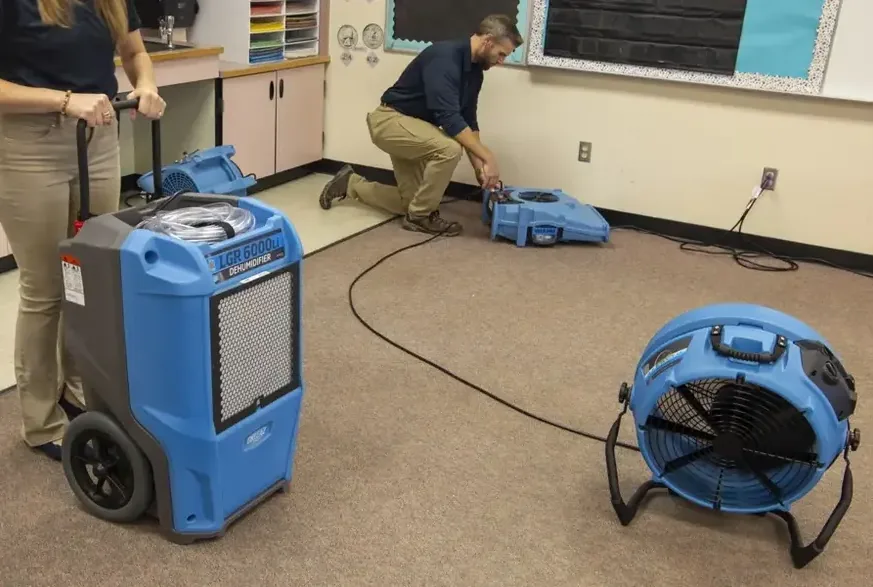
First steps
First steps for structural drying
- Confirm the source is addressedDrying cannot progress while fresh water enters the assembly. The source condition should be established and accessible standing water removed before retained materials receive a sustained drying arrangement.
- Keep the work area accessibleLeave room around equipment, hoses and measurement locations. Storage or furniture placed against a wet wall can block airflow and prevent comparable readings from being collected during the next material assessment.
- Maintain the planned room conditionsEquipment and room boundaries should follow the drying plan. Unplanned changes to doors, windows or machine settings can alter humidity control and make it harder to evaluate how the materials are responding.
- Request a clear completion recordBefore new finishes are installed, the record should describe material progress and any remaining access issues. A dry feeling room should be supported by a assessment of the affected building layers.
Planning costs
What does structural drying cost in Stanley, NC?
Structural drying estimates in Stanley depend on the assembly, moisture depth and access needed to reach retained materials. Several connected rooms or dense concealed layers require a different equipment and inspection plan from a small exposed wet wall area.
Small accessible assembly
$1,000 to $2,000- Defined exposed material area requiring drying
- Clear equipment placement and measurement access
- Limited surrounding finishes obstruct retained moisture
Several connected rooms
$2,000 to $4,000- Wet assemblies span adjoining interior spaces
- Additional equipment manages the larger boundary
- Repeat readings track separate material groups
Dense or concealed materials
$4,000 to $6,000+- Moisture held behind restrictive finish layers
- Access changes needed for effective evaporation
- More complex assessment before repair readiness
Estimate only. The water damage cost calculator shows how wet area, contamination and material choices affect the planning range.
Measured work
The structural drying process
Establish measurement locations
Initial readings define wet materials and suitable comparison points. The assessment records access and goals for later decisions about equipment changes and repair preparation.
Control drying conditions
Airflow and dehumidification serve the retained assembly. Room boundaries support planned conditions while keeping access available for repeated inspections of the affected building materials.
Respond to moisture trends
Follow up readings show whether moisture is decreasing. Equipment direction, humidity control or access can change when a layer needs attention to continue drying.
Assess readiness for closure
Completion findings examine progress and remaining concerns. They identify whether repairs can proceed or additional access is needed before finishes conceal the retained assembly.
Drying is a measured building process, not simply a room filled with running equipment. A Stanley property needs an assessment of the materials actually wet, how air can reach them and where readings will be repeated. The plan then connects equipment placement with those specific material targets.
Set a boundary around the affected assembly
At a downtown Main Street business, usable rooms may adjoin a wet work area. Establishing a drying boundary helps manage moisture released into the air while protecting access to unaffected spaces. The same assessment identifies wet layers behind coverings that might otherwise remain outside the reach of room airflow.
- Record material readings at accessible points that can be revisited during later inspections.
- Identify coverings or insulation that prevent air from reaching the retained wet surfaces.
- Keep equipment paths clear so airflow reaches the intended wall and floor areas.
- Assess changes in room conditions alongside the moisture retained within the building assembly.
Air movement and moisture collection work together
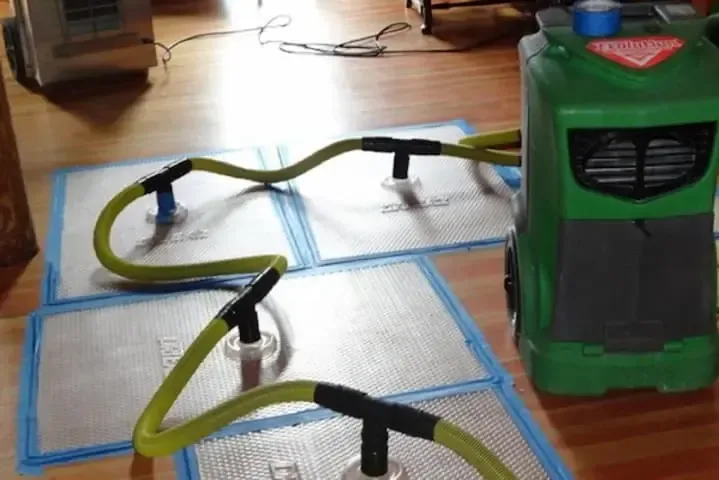
Air movers support evaporation at reachable surfaces, while dehumidification removes moisture from the surrounding air. The arrangement needs adjustment when readings stall or an inaccessible layer remains wet. More running equipment is not a substitute for finding the barrier that prevents a particular material from drying effectively.
A property described near Brevard Station Museum or Harper Park still needs its actual wall, floor and enclosure conditions assessed. An opened section may reveal insulation that blocks a wet surface, or a finish may hide damp backing. Selective access decisions allow the drying plan to address these layers directly and keep the completion assessment tied to materials rather than surface appearance.
Finish the assessment before closing the wall
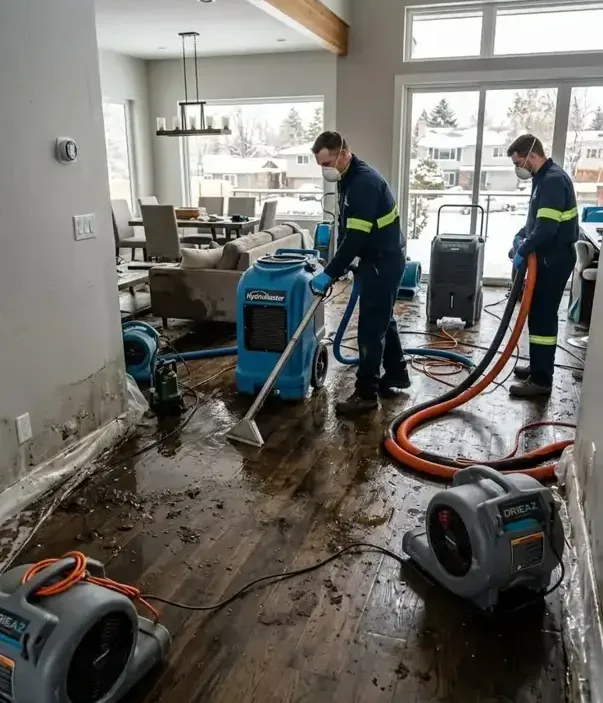
The completion record should show the affected materials, measurement progress and any limitations requiring additional access. Appropriate goals depend on the assembly and its planned repair. Where a leak left standing liquid, water extraction precedes this stage so drying equipment concentrates on retained moisture rather than a pool on the floor.
Coverage
Structural drying in Stanley
Structural drying assessments in Stanley address the actual materials at each property, from downtown rooms near Brevard Station Museum to locations around Harper Park. Describe prior extraction, opened finishes and ongoing source issues when discussing the drying scope.
The same service nearby: structural drying in Cornelius, Westport, Sherrills Ford.
Related services
Related water damage services in Stanley
Questions
Structural Drying questions in Stanley
(888) 578-4720Discuss Stanley wall and floor readings01Why take material readings instead of checking room humidity alone?
Room humidity describes the air, while building layers may retain different amounts of water. Material readings show how the affected assembly responds and help identify a concealed section that still needs access or treatment.
02Can more fans solve a slow drying area?
Slow progress may result from a covering, wet insulation or another access barrier. The assessment should identify that restriction and adjust the method, rather than assuming additional airflow across the room will reach hidden moisture.
03Should equipment settings be changed by occupants?
The planned arrangement should remain consistent unless the drying assessment calls for changes. Altering settings or room boundaries can affect moisture control and make progress harder to compare between inspections of the retained materials.
04Does every wall need to be opened for drying?
Access depends on the assembly and water involvement. Some surfaces are reachable without broader removal, while concealed wet layers may require selective openings so measurements and airflow can reach the materials that need attention.
05When can a contractor install replacement finishes?
The source and cleanup should be addressed, followed by a satisfactory moisture assessment of retained materials. The completion findings should identify any further access or repair preparation needed before the assembly is covered again.
06What belongs in a drying completion record?
The affected materials, measurement locations, progress and remaining limitations should be clear. That record connects equipment work with the building condition and helps the next repair phase understand what was assessed before closure.
24/7 water damage response
Arrange assessment of the wet assembly
Describe the source status, opened surfaces and completed removal work so equipment can be planned around the materials that remain.