Pineville, NC · Mecklenburg County
Water Damage Restoration in Pineville
A spreading puddle deserves more than a towel across the doorway. Restoration starts by locating the escape path, removing accessible water and checking the building materials beyond the visible wet area.
(888) 578-4720Discuss the rooms getting wet- Water removal
- Material moisture checks
- Sewage cleanup
The affected room, water source and safe entry conditions shape the first assessment and cleanup plan.
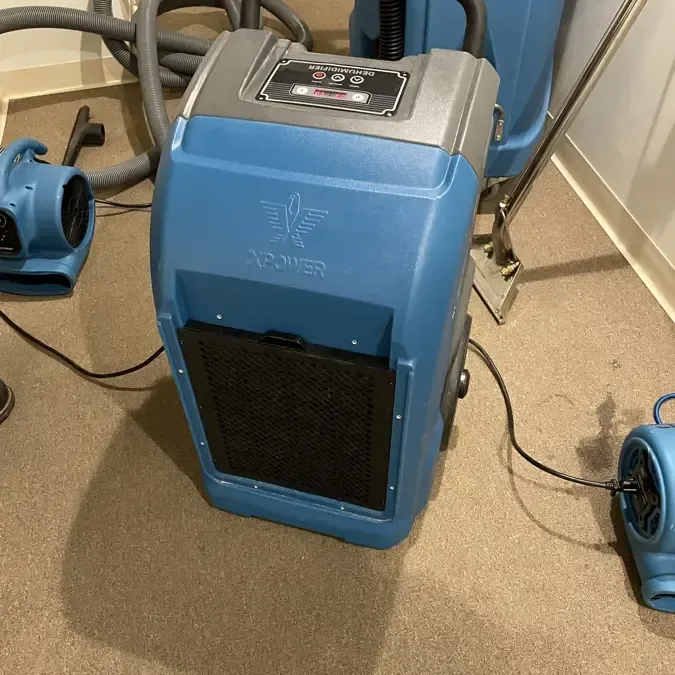
Before cleanup starts
A safer first response to a wet property
- Stay outside unsafe roomsSagging ceilings, submerged outlets and contaminated water call for restricted entry. Household members and pets should remain outside the affected space.
- Limit the water supplyAn accessible shutoff can stop a plumbing release when the route stays dry. A valve behind standing water requires qualified assistance instead.
- Preserve a clear recordPhotographs taken from a safe position can show water depth, damaged belongings and the original spread before extraction changes the appearance.
- Keep passageways openDry access routes help with assessment and equipment placement. Belongings should leave the wet area only when handling them presents no exposure.
- Describe the first signsThe discovery time, suspected source and rooms involved help organize the visit. Mention water near appliances, electrical equipment or an unstable ceiling.
Choose the water problem
Cleanup shaped around the source and materials
Different water problems leave different work behind. From a concentrated appliance spill to soaked framing, water extraction and structural drying address the materials reached after the original release stops.
 Storm Flood CleanupOutdoor water brings a different cleanup problem when sediment and contaminants reach absorbent building materials.Explore this service
 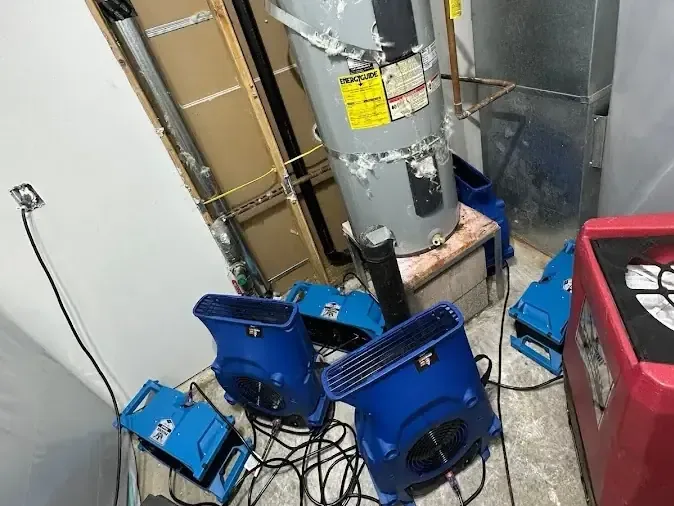 Water Heater Leak CleanupTank leakage can spread beyond the equipment base into storage areas and the next room.Explore this service
 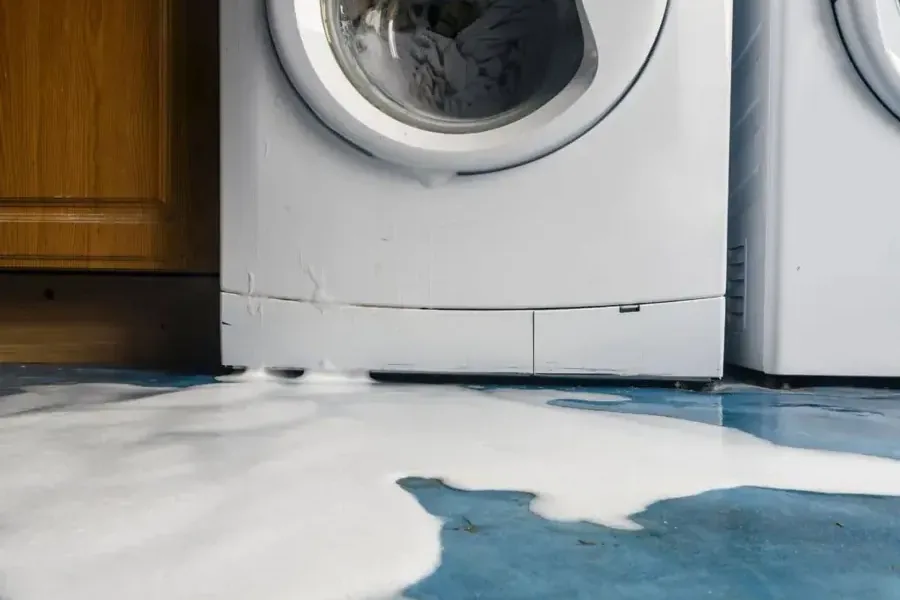 Appliance Leak Water DamageHidden hose drips and sudden overflows need attention beneath cabinets, machines and layered floor coverings.Explore this service
 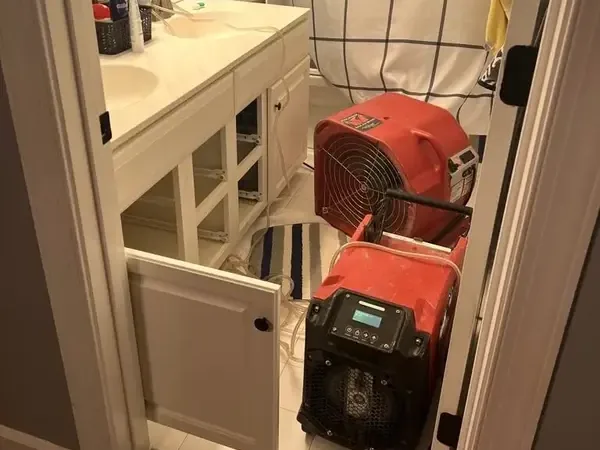 Toilet Overflow CleanupBathroom overflow cleanup considers the water source and every surface touched before ordinary use resumes.Explore this service
  Sewage Backup CleanupA drain backup requires controlled access, removal of contaminated debris and cleaning before equipment dries materials.Explore this service
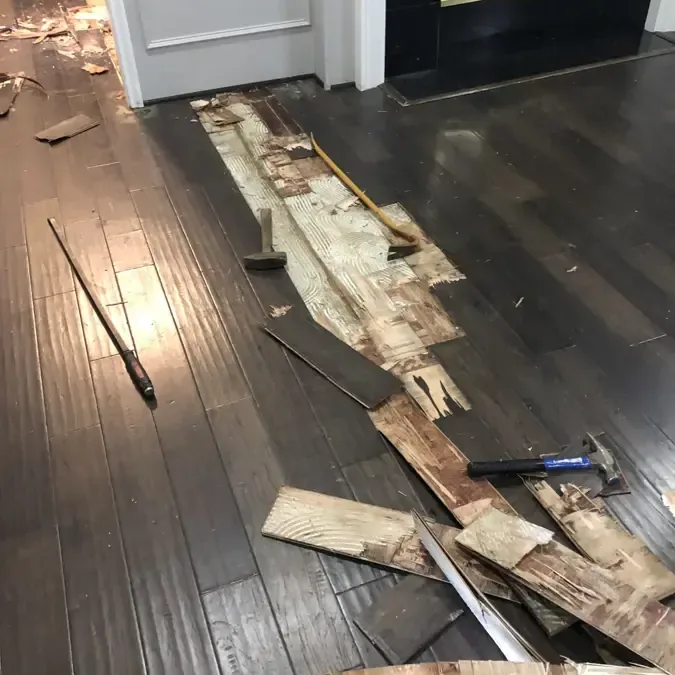
 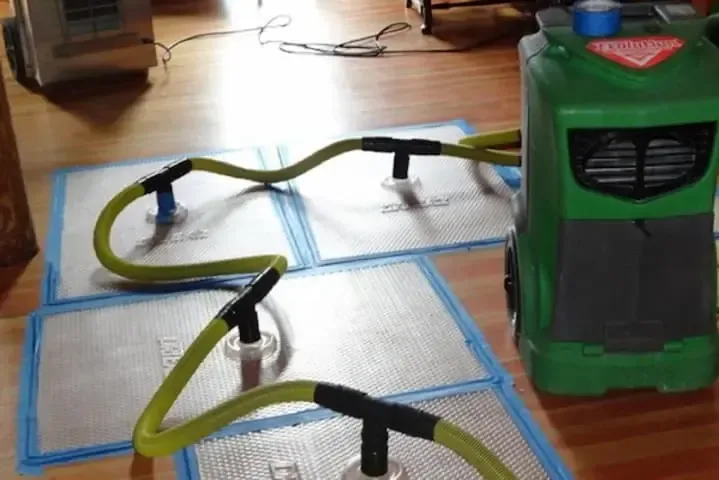 Hardwood Floor Water DamageWet boards need readings through the floor assembly before decisions about retention, removal or refinishing.Explore this service
 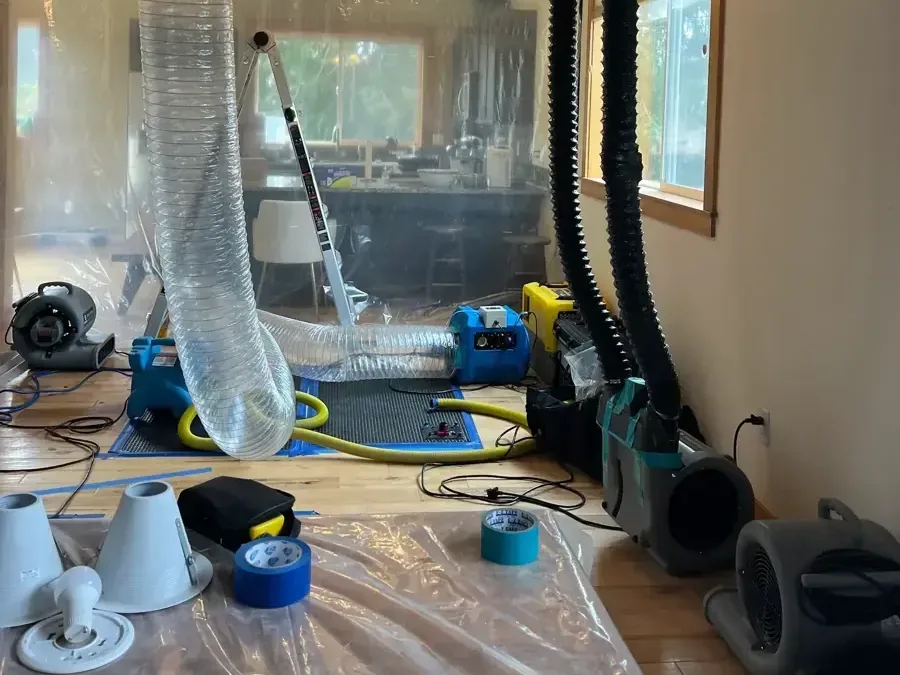 Structural DryingMoisture measurements shape equipment placement and show whether enclosed framing and backing continue to dry.Explore this service
  Commercial Water DamageBusiness recovery accounts for affected stock, shared spaces, electrical access and the sequence of reopening.Explore this service
 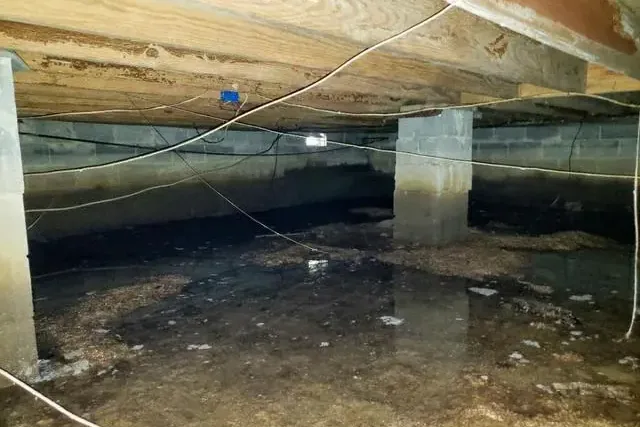 Crawl Space Water RemovalUnderfloor water removal begins with safe access and continues through insulation, timber and ground covering checks.Explore this service
  Water ExtractionStanding water is removed before the inspection follows moisture into floor edges, trim and adjacent rooms.Explore this service
  Burst Pipe Water DamageA split supply pipe can soak enclosed spaces even when the largest puddle sits elsewhere.Explore this service
 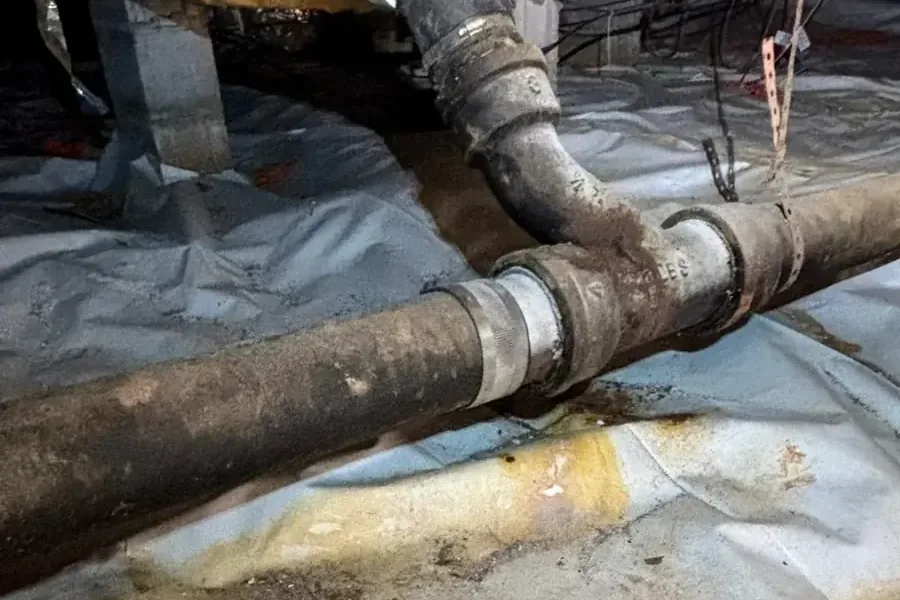 Frozen Pipe Water DamageThawing can reveal a pipe opening that stayed hidden while the water inside remained frozen.Explore this service
  Slab Leak Water DamageMoisture beneath floor finishes needs investigation that separates plumbing repair from the drying of affected materials.Explore this service
  Ceiling Leak Water DamageOverhead staining calls for a careful check of panel strength, insulation and the path above.Explore this service
 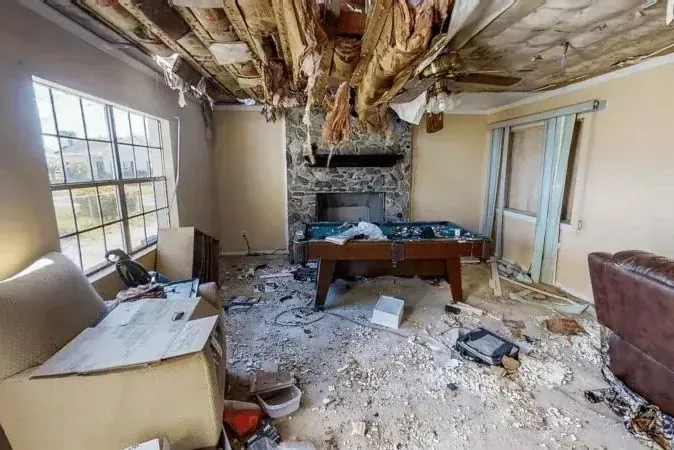 Roof Leak Water DamageInterior recovery follows rainwater from the attic entry area toward ceilings, walls and room contents.Explore this service
 A measured recovery
Drying decisions follow the building, room by room
Removing the puddle changes what is visible. Moisture testing establishes what remains in the structure, while repeated readings help distinguish genuine progress from a surface that merely feels dry to the touch.
Map the spread
The initial inspection compares visibly wet surfaces with nearby assemblies and records where water traveled, including concealed edges that merit further investigation.
Separate material decisions
Intact materials suitable for drying follow a different path from damaged absorbent layers that require removal because of contamination or lost strength.
Manage room conditions
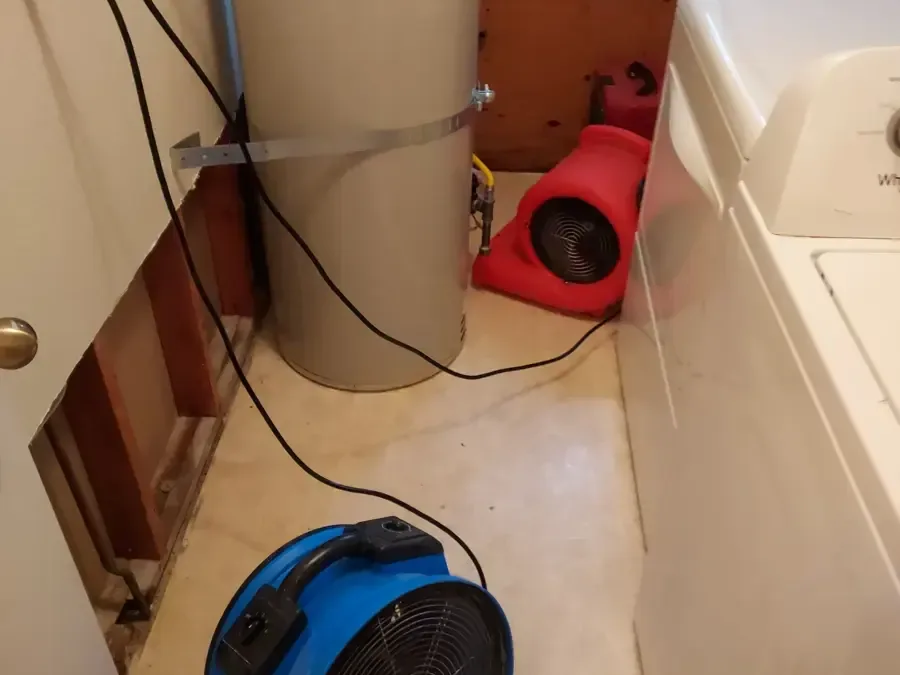
Air movement and dehumidification work together within the affected area. Equipment settings depend on the materials, safe power and available drying access.
Check the endpoint
Final measurements are compared with appropriate reference conditions before remaining repair work is outlined. Finish replacement waits until the assembly can support it.
- Recorded starting conditions
- Targeted equipment placement
- Documented drying endpoint
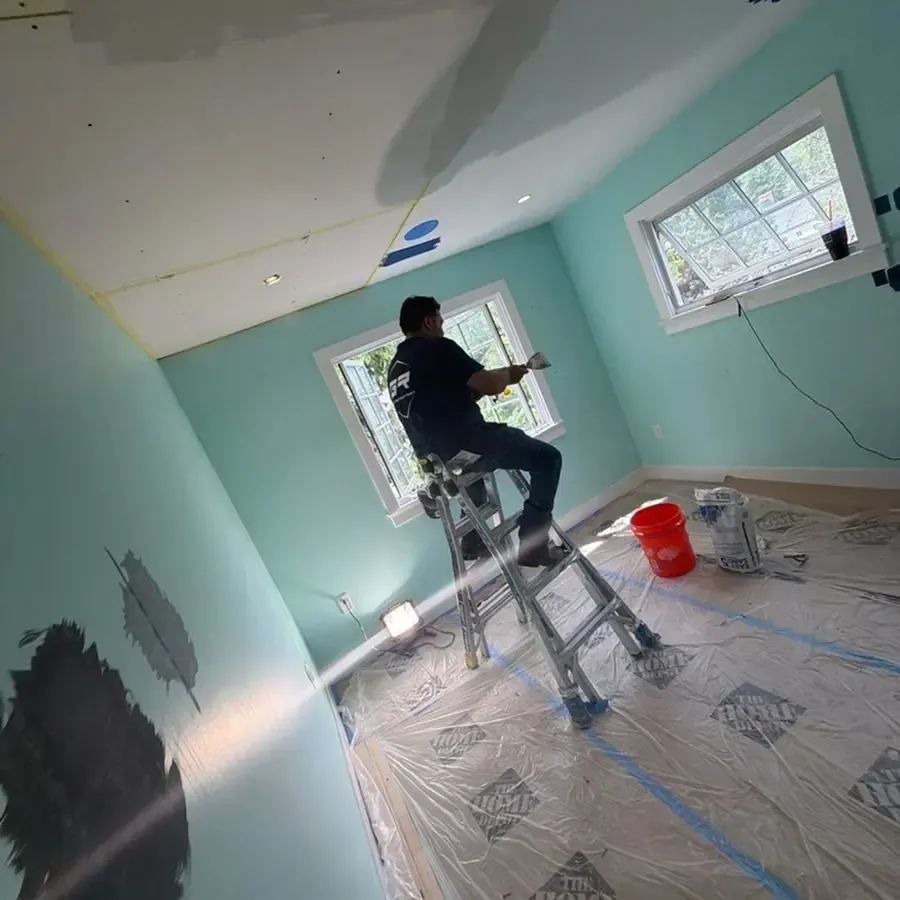
Practical project details
Know what each step addresses
A useful scope names the wet materials, explains access needs and identifies the work still required after drying. Clear records help the property owner understand changes as hidden damage becomes visible.
Material specific scope
Carpet backing, wood, insulation and wallboard hold water differently. The cleanup plan identifies affected layers instead of treating every damp surface as an identical task.
Source repair coordination
A plumber or roofer may need to stop the release before restoration progresses. Repair access and drying access should fit together without closing wet cavities.
Visible progress
Moisture records connect equipment use to the condition of the building. Changes in readings help explain why a machine remains or moves elsewhere.
Orderly repair handoff
The closing record identifies retained materials, removed finishes and remaining repair needs so the next trade can plan work around a dry, accessible assembly.
Cleanup budget considerations
What affects water damage restoration cost in Pineville?
The budget follows the amount of affected material, access difficulty and water condition. A small accessible loss needs a different scope from contaminated water spread through several rooms or hidden beneath layered flooring.
Limited wet area
$1,000 to $3,000- Accessible surfaces with a contained spread
- Targeted removal of remaining standing water
- Drying focused on a small assembly
Connected room damage
$3,000 to $7,000- Moisture beneath finishes or inside walls
- More equipment serving several affected rooms
- Selective removal to expose wet backing
Extensive cleanup work
$7,000 to $10,000+- Contamination affecting multiple absorbent material layers
- Restricted access around damaged building components
- Broader cleaning and measured structural drying
These planning ranges describe cleanup scope. The inspection establishes the actual work, while plumbing repairs and replacement finishes can add separate costs.
The water source matters
Choose the response around actual exposure
Escaped supply water
A plumbing release can begin relatively clean and still soak hidden assemblies. Extraction and moisture mapping establish what needs drying after the source is controlled.
Explore removal workUsed appliance water
A washer or dishwasher discharge can contain residues that change cleanup decisions. The appliance cycle and affected materials help determine the appropriate next steps.
Address machine leakageDrain and sewage exposure
Wastewater in a room requires controlled entry and careful material decisions. Contaminated absorbent finishes may need removal before the remaining structure can be cleaned.
See backup cleanupWater damage work in view
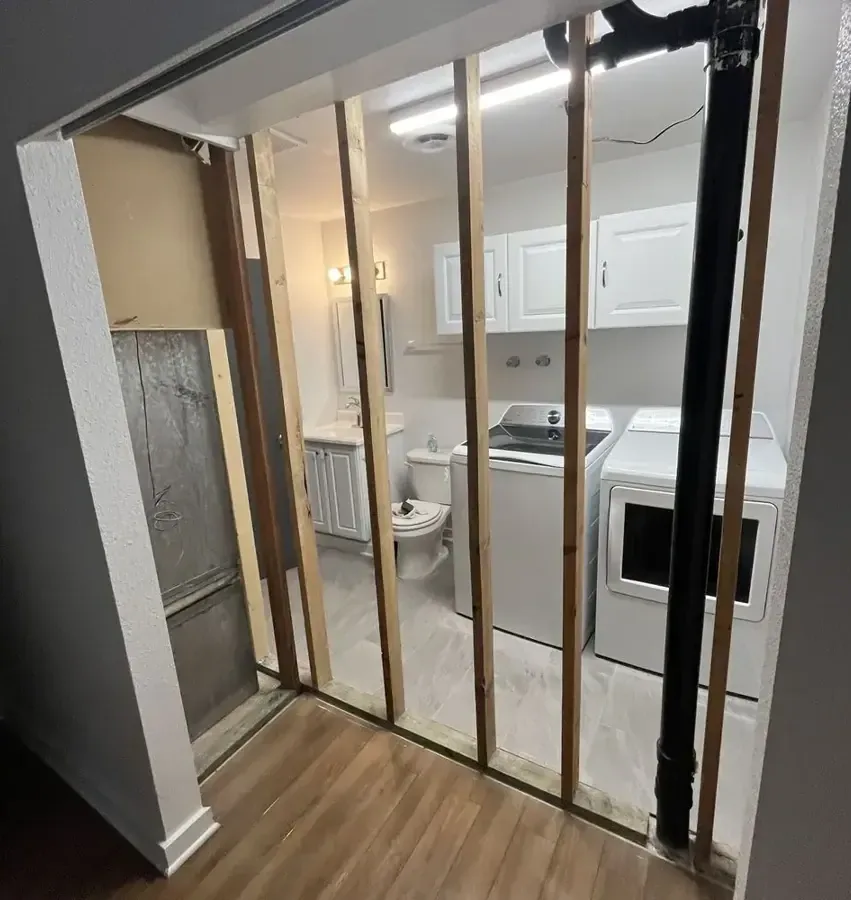
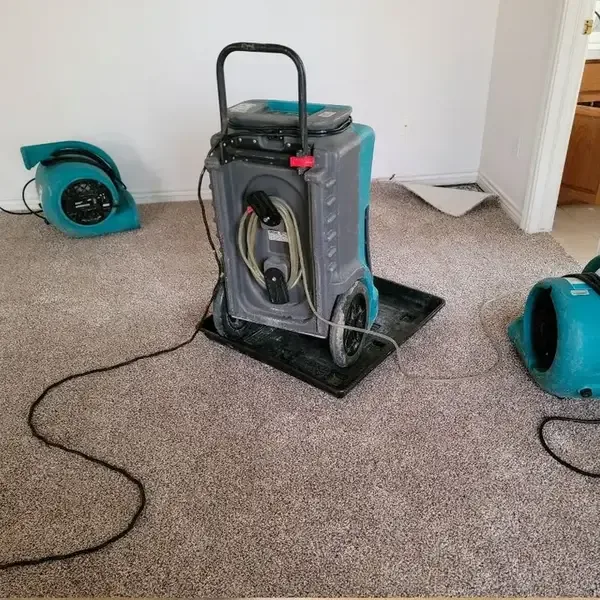
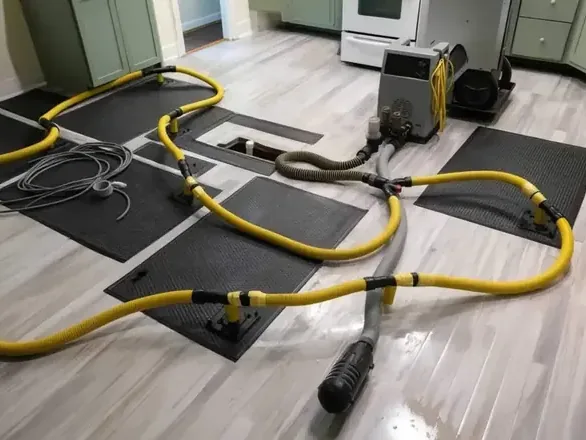
Equipment, access openings and affected interior materials
Pineville coverage
Property details help arrange the assessment
Mailing areas extend beyond the town boundary
Cardinal Woods and Danby have Pineville mailing addresses within unincorporated Mecklenburg County. The property's actual location and access arrangements should accompany the description of water damage.
Woodside Falls, Winghurst and Bridlestone also sit outside municipal limits with local postal addresses. A building contact, safe entrance and room description help organize an assessment.
- 28134
- 28210
- 28226
Named road corridors
- Main Street
- Dorman Road
- Downs Road
- Carolina Place Parkway
Water problems around the town
Runoff, plumbing and interior moisture
Pineville Public Works manages rainfall runoff through its Storm Water division. Indoor cleanup also involves plumbing failures and appliance releases, so identifying how water entered remains central to the response.
January 25, 2026: A pipe break near Highway 51 and Downs Road released water that formed roadway ice during a winter storm. Repairs were assigned to the developer.
- Runoff pathways: Impervious surface factors into the town's stormwater fees. At an affected property, visible entry points and water tracks help distinguish outdoor runoff from an interior plumbing release.
- Retail interiors: Carolina Place Mall forms part of the town's retail setting. Commercial cleanup needs careful attention to stock, flooring and the movement of people through affected spaces.
- Overhead migration: A wet ceiling may receive water from a roof opening, bathroom or concealed pipe. Inspection follows the route above the stain before finishes are opened or replaced.
- Postal area access: A Pineville postal address can describe a property outside town limits. Location details matter when arranging entry, reaching a building contact and coordinating other repair trades.
- Debris planning: Residential trash service excludes construction debris. Removed wallboard, flooring and other cleanup waste need an appropriate disposal arrangement as part of the restoration project scope.
01Does a dry surface mean the room has recovered?
The surface can dry before the layers behind it. Wallboard backing, floor underlayment and enclosed timber need appropriate measurements. A drying decision should reflect those materials rather than the appearance of the paint or floor alone.
02Can cleanup begin while a plumbing repair is arranged?
Safe water removal and protection of unaffected areas may proceed while a plumber handles the source. The work needs coordination so a continuing release does not refill the room or soak materials that have already begun drying.
03What information helps when reporting a ceiling leak?
The first stain location, any active dripping and rooms directly above are useful details. A bulging panel or water beside a light fitting changes access precautions. Nobody should stand beneath a sagging section to inspect it closely.
04Who handles water or sewer concerns locally?
The town directs residents to Charlotte Water for water and sewer issues. Building cleanup addresses the damaged interior, while the source problem needs the appropriate utility or repair contact. Details about the leak location help those tasks proceed together.
05Will all water damaged flooring require replacement?
Retention depends on the floor material, contamination, attachment and condition of the backing. Some assemblies allow effective drying; others separate or lose strength. The decision should follow inspection and moisture readings before replacement materials are ordered or installed.
06How should belongings be recorded before removal?
Photographs can show an item's condition and its position within the affected room. A simple inventory with descriptions and disposal decisions helps preserve that record. Contaminated possessions need careful handling rather than movement through clean rooms for sorting.
07Can household fans handle a large indoor spill?
Moisture testing checks for water behind trim and beneath flooring. Extraction removes accessible water, while dehumidifiers and directed airflow help dry the retained materials. Contaminated water also needs cleanup decisions before air movement begins inside the affected space.
08Where can removed construction materials be placed?
The town excludes construction debris from residential trash collection. Disposal for removed floor coverings and wall finishes should be included in the work arrangements. Keeping debris contained also helps preserve dry access routes and limits tracking through unaffected rooms.
09What determines when repairs can close the room?
The water source must be controlled and the affected assembly sufficiently dry for the planned repair. Final readings, material condition and any remaining access needs shape that decision. Replacing a finish too early can conceal moisture that still needs attention.
24/7 water damage response
Move from a wet room to a clear plan
Describe the affected materials and how the water appeared so the next cleanup step can match the conditions at the property.