Cornelius, NC · Mecklenburg County
Water Damage Restoration Cornelius, NC
Water crossing a floor needs attention before it reaches the next room. The restoration team provides 24/7 extraction, checks concealed moisture and dries affected materials to the IICRC S500 standard.
(888) 578-4720Water moving indoors? Start here- 24/7 emergency dispatch
- Measured structural drying
- Moisture logs for the claim
The first visit checks the water source, safe entry and wet materials before the crew begins extraction and drying.
Before cleanup begins
What to do while the water is still moving
- Stop a reachable sourceAn occupant can close an accessible fixture valve from a dry, safe position. A hidden or damaged valve needs professional attention.
- Keep electricity separatePeople should avoid wet outlets, cords and panels. An electrician or emergency responder determines when the affected area is safe to enter.
- Leave unstable ceilings aloneA bulging ceiling can release water and debris without warning. Household members should keep the space below it clear until assessment.
- Record the visible spreadPhotographs from a safe doorway document the water path, affected contents and source before crews move materials or begin selective removal.
- Describe the lossThe response team needs the property location, affected levels, source status and any access restrictions to plan the assessment and extraction.
Choose the water problem
Water Damage Restoration Services in Cornelius, NC
The visible puddle rarely describes the whole job. Each service follows its own source, contamination concerns and material checks, from a leaking fixture to water underneath a finished floor.
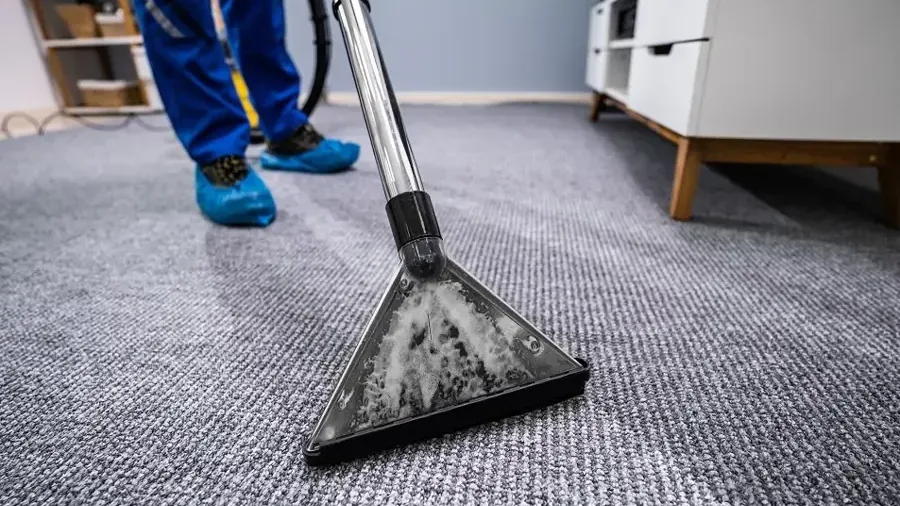
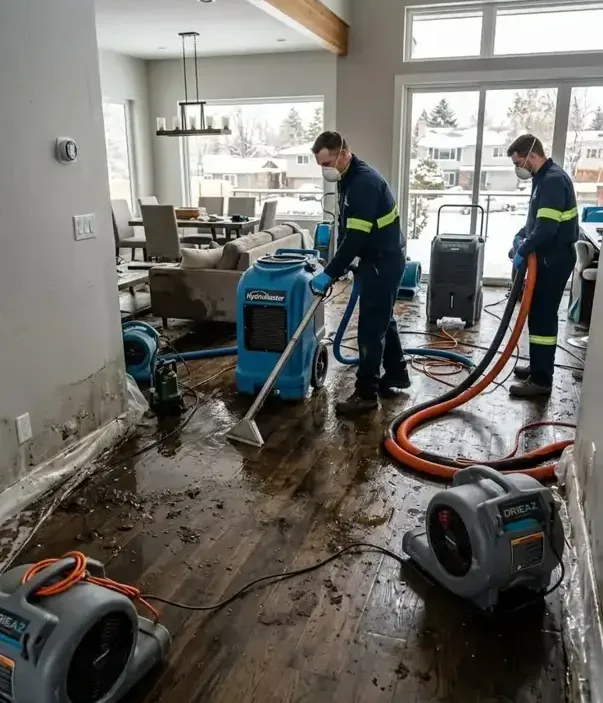 Water ExtractionStanding water leaves first so the drying team can measure what remains inside the building materials.Explore this service
 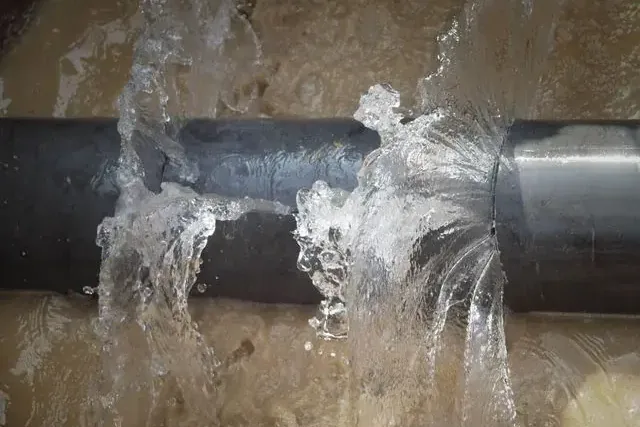 Burst Pipe Water DamageA stopped supply leak still leaves soaked wall bases, insulation and adjoining rooms to assess.Explore this service
 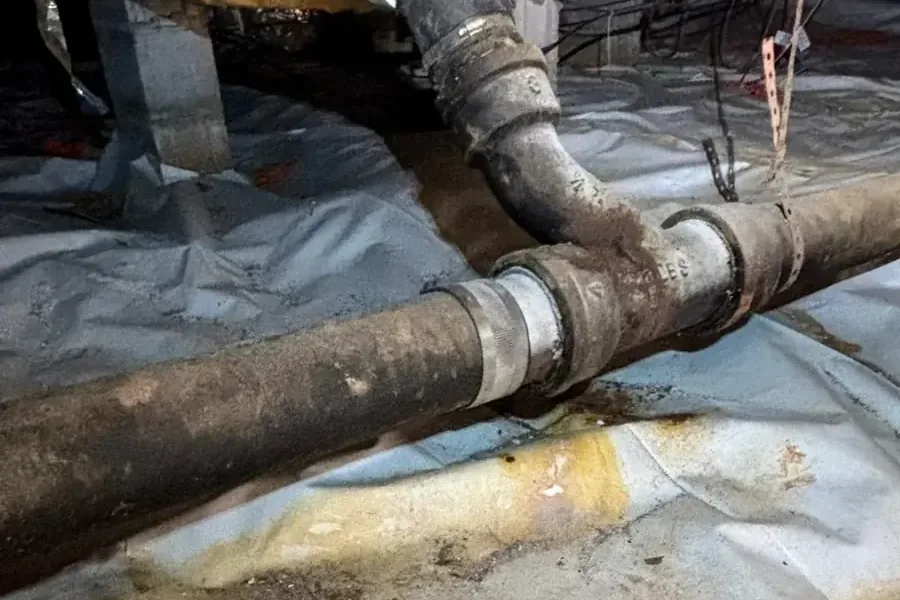 Frozen Pipe Water DamageThawing can reveal a split that stayed hidden while the pipe contained ice.Explore this service
 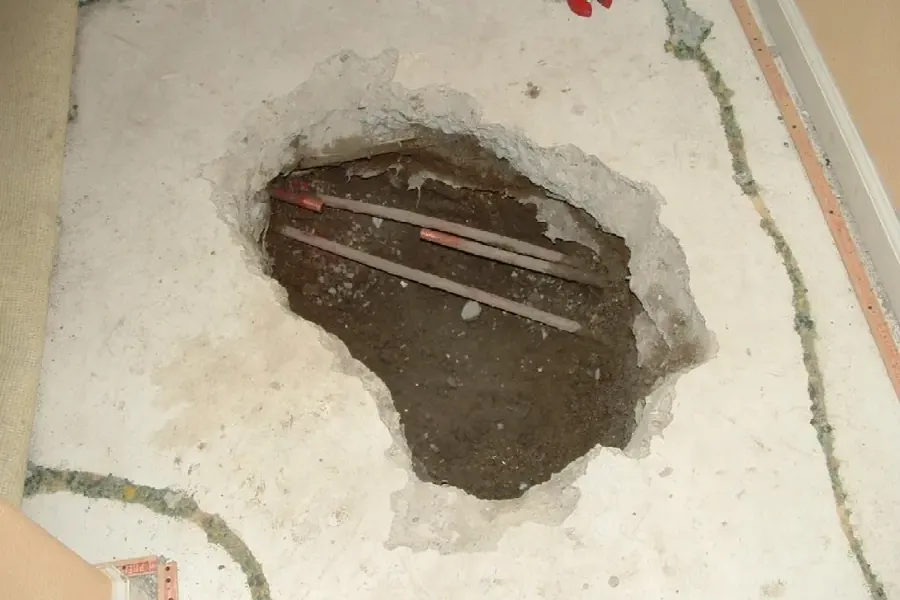 Slab Leak Water DamageWarm or damp flooring calls for source testing and a moisture map before opening concrete.Explore this service
 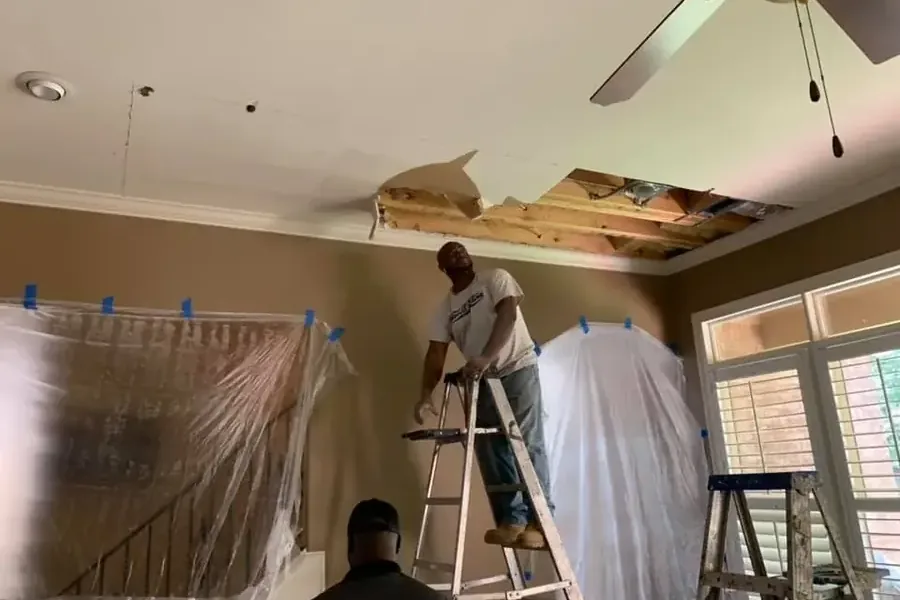 Ceiling Leak Water DamageA sagging panel needs controlled access and a check of the room or cavity above.Explore this service
 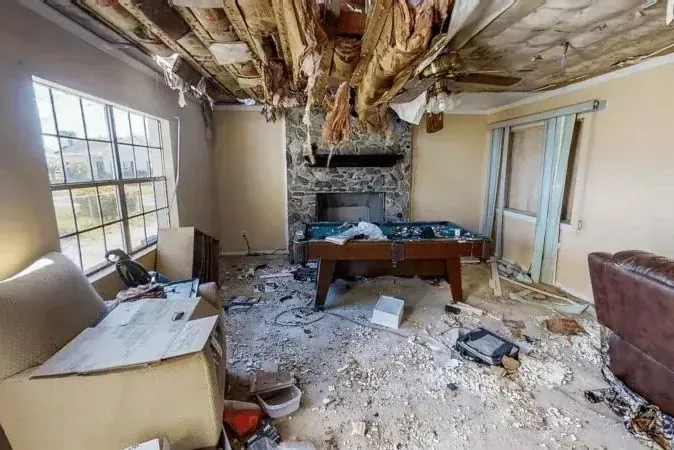 Roof Leak Water DamageRain can travel along roof framing before a ceiling stain shows the entry path.Explore this service
 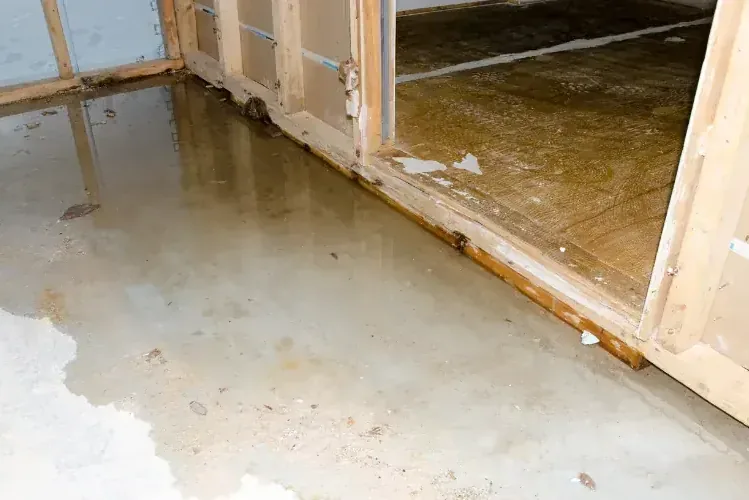 Storm Flood CleanupOutdoor water brings contamination and sediment that change the removal and cleaning plan.Explore this service
 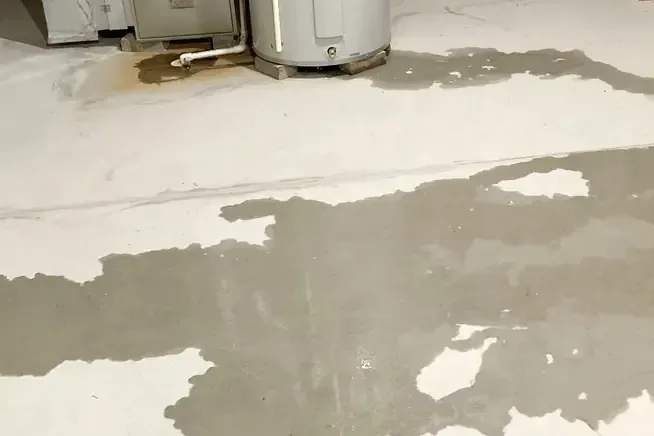 Water Heater Leak CleanupTank leakage often reaches wall plates and flooring beyond the visible collection pan.Explore this service
 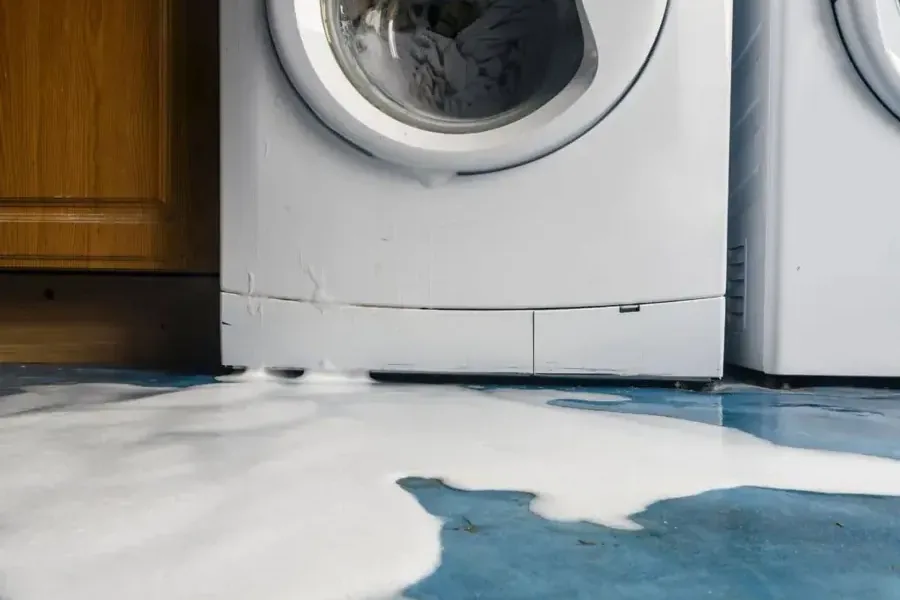 Appliance Leak Water DamageCabinet backs and flooring under machines can stay wet after the appliance stops.Explore this service
 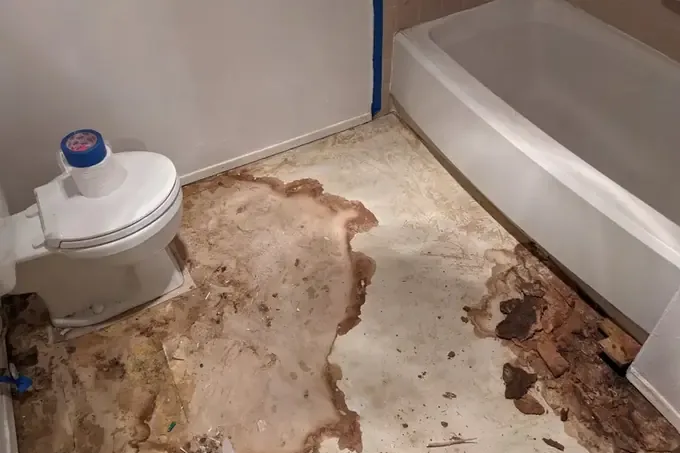 Toilet Overflow CleanupOverflow water needs a source-specific assessment before anyone spreads it into nearby rooms.Explore this service
 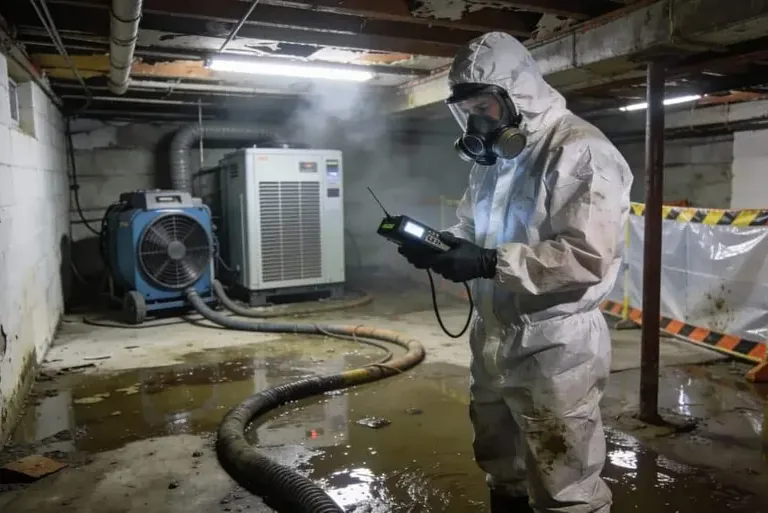 Sewage Backup CleanupCategory 3 cleanup starts with containment, protective equipment and removal of contaminated porous material.Explore this service
 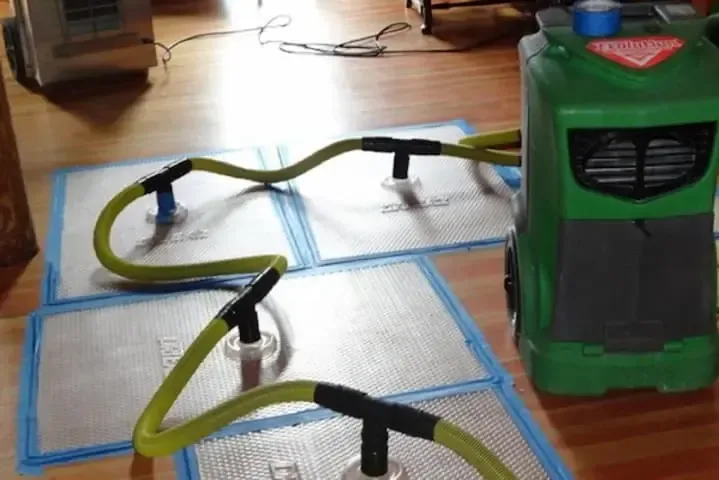 Hardwood Floor Water DamageBoard movement and moisture below the finish determine whether controlled drying can preserve the floor.Explore this service
 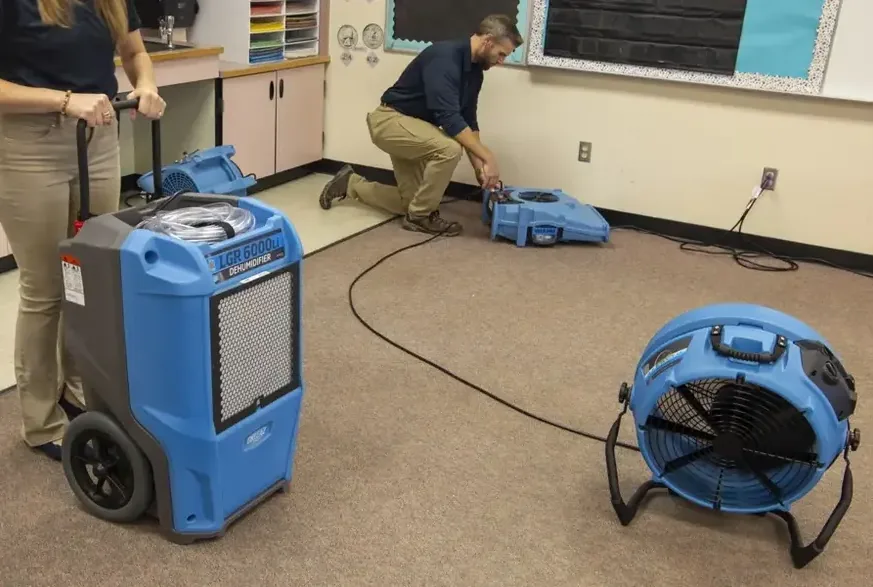 Structural DryingDaily readings show which assemblies release moisture and where equipment adjustments are needed.Explore this service
 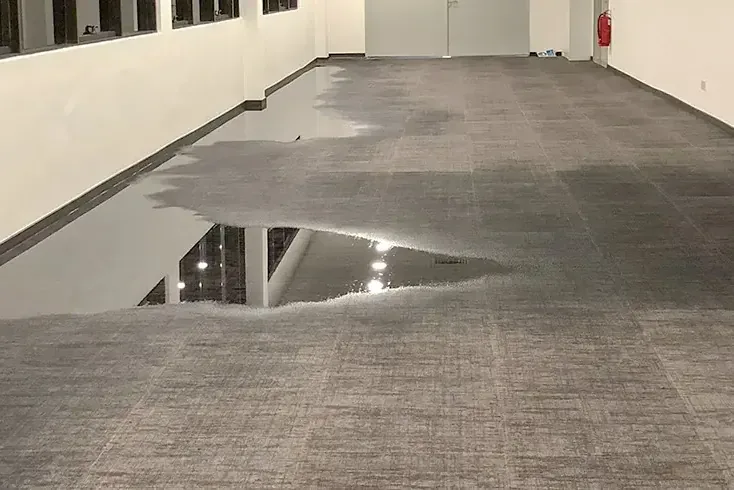 Commercial Water DamageA business loss requires access planning around stock, electrical systems and occupied work areas.Explore this service
 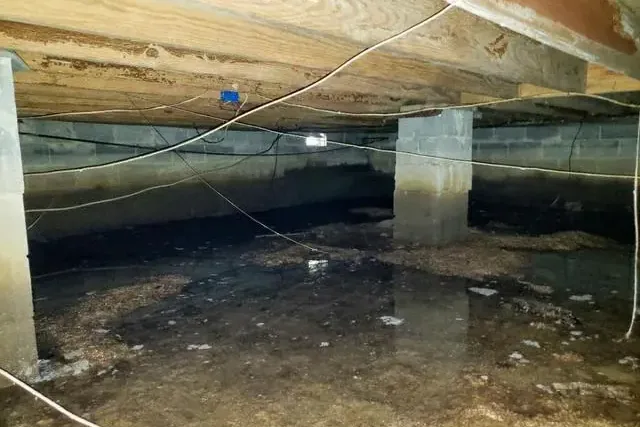 Crawl Space Water RemovalUnderfloor pumping opens the way to inspect joists, insulation and trapped moisture beneath the house.Explore this service
 How the dry-out works
Water damage dried to the IICRC S500 standard
A dry-looking surface can conceal moisture within a building. The drying technician checks moisture within the material assembly, compares it with an appropriate reference and adjusts the equipment as water leaves the structure.
Locate the wet boundary
Thermal imaging helps identify suspect areas; a moisture meter confirms the affected material. The assessment extends beyond the edge of a puddle.
Remove accessible water
The extraction crew matches pumps and extraction tools to the surface. Pulling liquid out reduces the moisture that dehumidifiers must later collect.
Control evaporation
Air movers expose wet surfaces to moving air while LGR dehumidifiers remove released moisture. The crew checks electrical capacity and safe equipment placement.
Verify each assembly
Daily moisture and air readings reveal progress inside walls and floors. The final report records the material condition before equipment leaves the property.
- Moisture mapping before equipment
- Controlled air and humidity
- Documented material drying goals
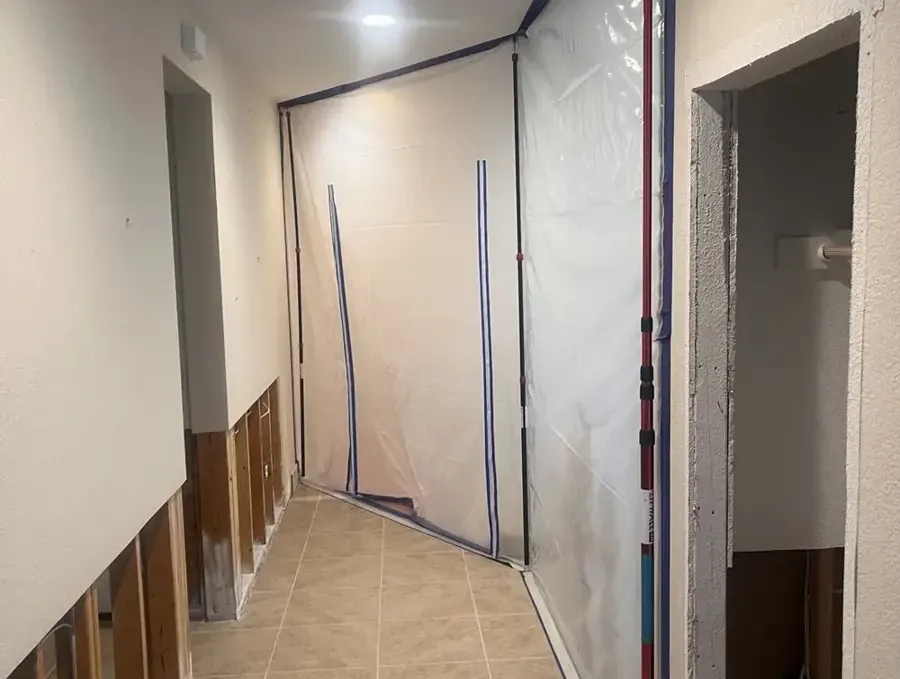
From entry point to final reading
A practical water loss assessment
Homes near Lake Norman and buildings along Catawba Avenue need a source-specific response. The crew traces the entry point and checks adjoining rooms for moisture beneath floors and behind walls.
Rapid local response
Emergency losses receive urgent attention through 24/7 dispatch. The assessment starts with safety, continuing water entry and the rooms that need extraction.
IICRC S500 drying standard
The restoration technician identifies water category and affected materials before setting equipment. The work follows the measured condition of the structure.
Claim-ready documentation
Photographs, a moisture map and daily drying records explain the mitigation scope. An itemized estimate distinguishes drying work from later finish replacement.
Local water experts
Cornelius drains west toward Lake Norman and east toward the Rocky River. At each home, the crew checks outdoor entry points alongside plumbing and appliance connections.
Scope before a firm figure
What does water damage restoration cost in Cornelius, NC?
Water damage restoration commonly needs a planning allowance of $1,000 to $10,000 or more. Water category, affected area, material access and the delay before extraction determine the actual scope; extensive repairs add separate costs.
Limited clean-water loss
$1,000 to $3,000- Accessible water in a small area
- Extraction and controlled equipment
- Moisture checks at room edges
Several affected assemblies
$3,000 to $7,000- Adjoining rooms or wet wall cavities
- Selective removal and material handling
- Additional drying and monitoring visits
Contaminated or extensive loss
$7,000 to $10,000+- Contained removal of porous materials
- Surface cleaning and waste handling
- Larger drying area and detailed records
These are planning ranges, not a property-specific quote. The water damage cost calculator illustrates the major variables; an inspection establishes the work.
Source changes the work
All water damage categories covered in Cornelius, NC
Category 1: sanitary source
A fresh supply release can start as sanitary water. Time, contact with dirty materials and building conditions can change the assessment.
Supply-water extractionCategory 2: contaminated discharge
Appliance wastewater can carry contaminants into pad, wall bases and cabinets. Cleaning and removal decisions follow the affected materials, not just the water color.
Appliance leak assessmentCategory 3: gross contamination
Sewage and outdoor floodwater require protective controls. The crew removes affected porous material and cleans accessible remaining surfaces before verifying the dry-out.
Category 3 sewage cleanupWater damage work in view
What a water damage dry-out looks like in Cornelius
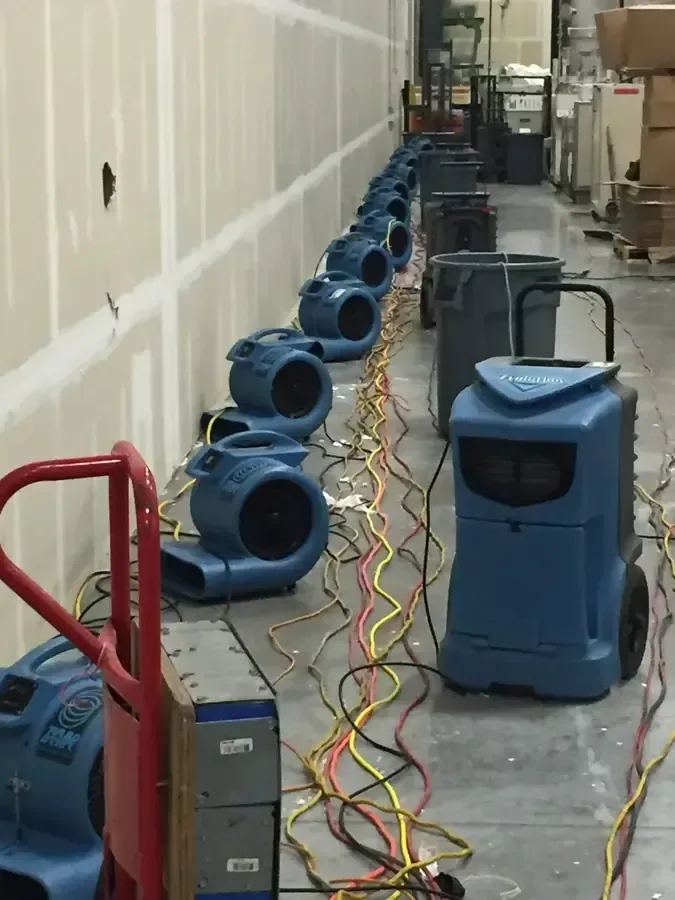
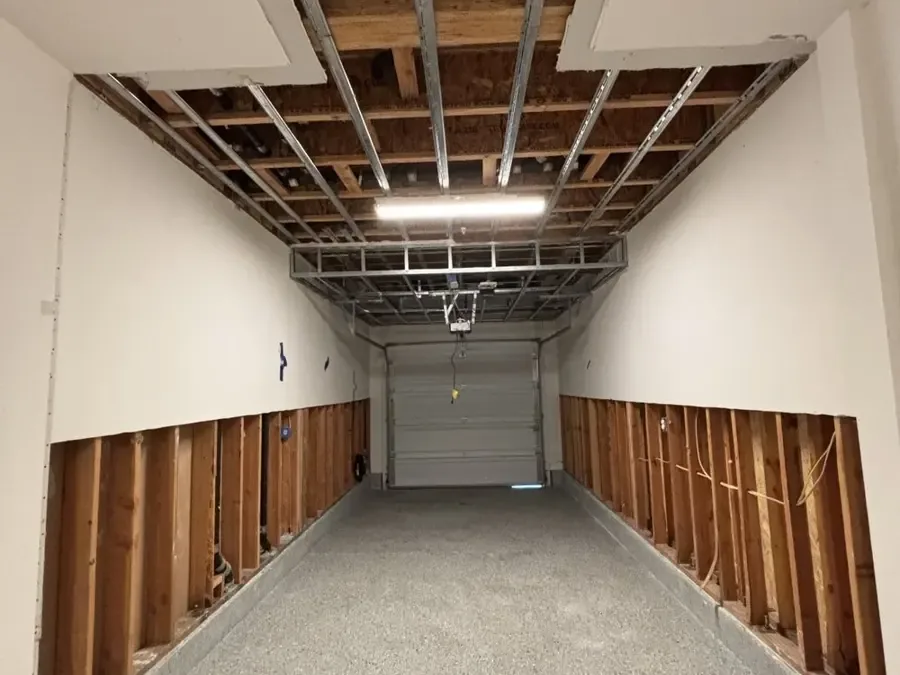
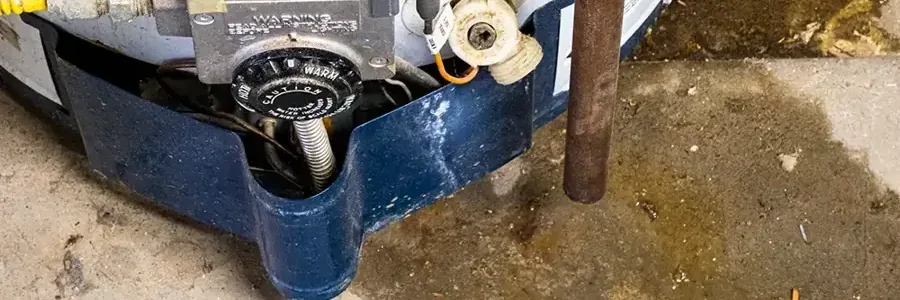
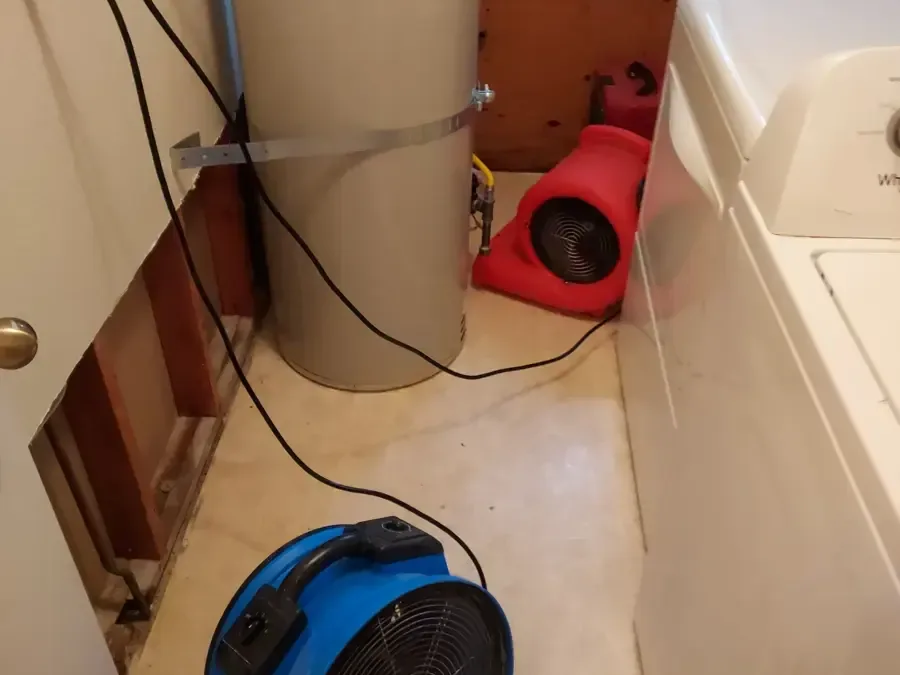
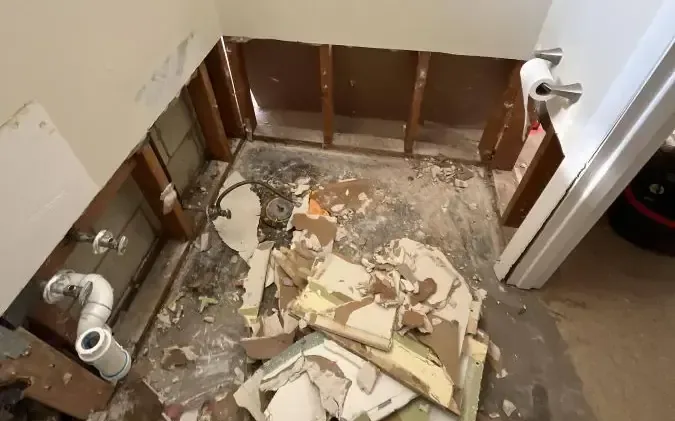
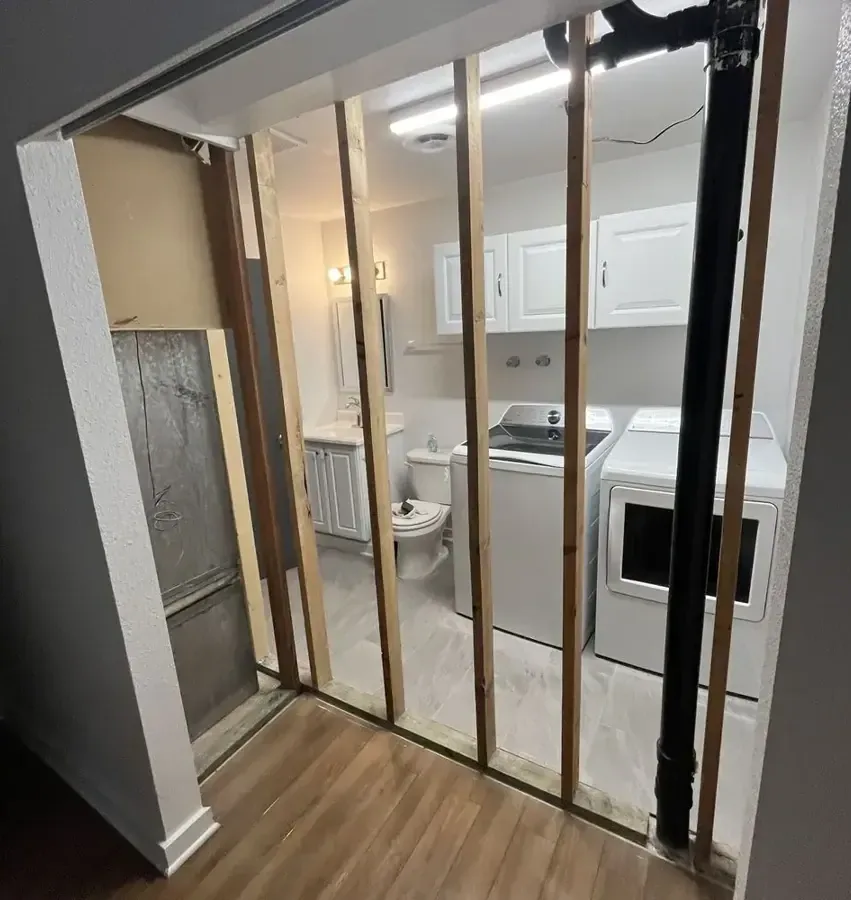
Areas served
Water damage restoration around Cornelius
One call reaches Cornelius water damage pros, 24/7
The team checks the property location, safe access and affected levels when planning a response. Coverage includes ZIP 28031 and the listed surrounding communities.
A nearby landmark can help describe the location, but the source assessment happens at the building. The moisture map follows water through rooms, wall bases and concealed assemblies.
- 28031
Nearby landmarks
- Catawba Avenue
- Lake Norman
- Cain Center for the Arts
- Cornelius Library
Surrounding communities
Mint Hill Pineville Westport Sherrills Ford StanleyWater paths around the town
Cornelius water damage: local conditions
The local landscape includes Lake Norman on one side and drainage toward the Rocky River on the other. Indoor plumbing failures and rain entry still require their own source checks.
Lake formation, 1963: Damming the Catawba River created Lake Norman and changed the town’s development. Individual properties need a separate assessment of mapped flood risk.
- Lake-facing property: The western side drains toward Lake Norman. An inspection separates outside water at an opening from a supply leak that started inside the building.
- Eastern drainage: The eastern side drains toward the Rocky River. A creek or watershed name alone cannot predict whether water reached a particular floor or crawl space.
- Concealed plumbing: Supply pipes and appliance connections can wet concealed spaces before occupants see a puddle. Material measurements trace the spread beneath finishes and behind cabinets.
- Rain entry: Water entering around roofing or a threshold can travel before appearing indoors. The repair professional addresses the opening while the drying crew checks affected assemblies.
- Changes during repair: A new wall or floor covering can conceal residual moisture. Final readings should precede reconstruction, with the applicable authority consulted about the proposed repair work.
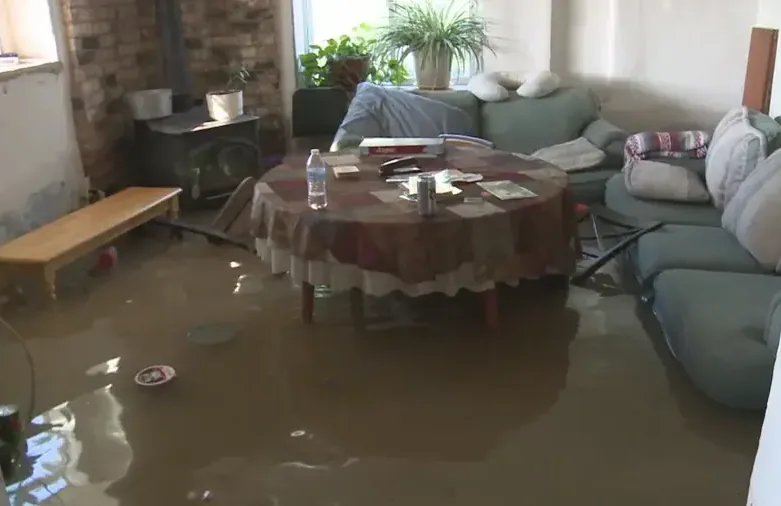
01How urgent is an indoor water loss?
Water can move into adjoining assemblies while the surface still looks manageable. The response team treats continuing entry and wet electrical areas as urgent concerns. Dispatch is available 24/7; access and safe working conditions determine the response.
02Can a household begin removing water?
Occupants should stay clear of standing water near electricity, sewage and unstable ceilings. A safe, reachable shutoff can stop a supply leak. The extraction crew uses equipment matched to the water and surface after the hazards are assessed.
03Does living near Lake Norman explain the source?
No. A leaking appliance, pipe, roof opening or outside flow can create similar indoor signs. The technician documents the observed route and moisture pattern. Source inspection and policy terms determine how the insurer evaluates the loss.
04How long does a dry-out take?
A small accessible clean-water loss may dry in several days, while dense flooring and closed cavities can take longer. Daily readings determine progress. The crew checks a suitable dry reference before deciding that an assembly is ready for repair.
05Does the floor need replacement?
The material type, contamination and physical damage determine that decision. A swollen composite panel behaves differently from solid wood or tile. The assessor records moisture below the visible finish before recommending salvage, selective opening or replacement.
06What does the IICRC S500 standard change?
It provides a framework for assessing the water source, affected materials, drying equipment and verification. The restoration team uses measurements to make decisions. The standard is a technical reference, not a credential claim about any individual worker.
07What should go into an insurance claim file?
Photographs before removal, the source description, material measurements, equipment logs and an itemized scope help explain the work. The insurer reviews that information against the policy. A drying record cannot promise reimbursement or override an exclusion.
08Why does sewage require different cleanup?
Sewage carries gross contamination from the outset. The crew restricts access, uses protective equipment and removes contaminated porous materials. Physical cleaning comes before an appropriate antimicrobial application, and the remaining structure still needs measured drying.
09Can repairs begin as soon as the surface feels dry?
A dry surface can sit above a wet backing or cavity. The drying technician checks representative points through the affected assembly and records the final condition. Closing the structure too early can trap moisture behind a new finish.
24/7 water damage response
Water inside a Cornelius property? Begin the assessment.
The restoration team traces the wet area, removes accessible water and documents the drying decisions from the first inspection onward.