Outdoor water inside occupied spaces
Storm Flood Cleanup in Stanley
Water arriving from outdoors needs a cleanup plan that accounts for what it carried inside. Safe entry, removal of pooled water and assessment of contaminated materials take priority before drying equipment is placed in occupied rooms.
(888) 578-4720Discuss Stanley flood affected rooms- Outdoor water assessment
- Sediment and debris removal
- Controlled interior drying
First steps
First steps for storm flood cleanup
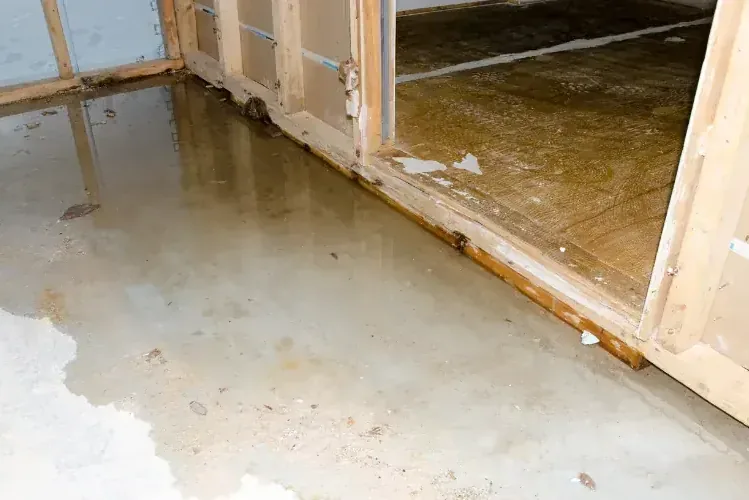
- Wait for a safe entry assessmentFlooded spaces can conceal electrical hazards, debris and damaged surfaces. People should remain outside affected rooms until access conditions have been evaluated and a suitable work route is available.
- Capture the original water footprintPhotographs from dry ground should show entry points, water marks and visible deposits. Avoid disturbing debris simply to improve a photograph or reach contents across the affected floor.
- Keep clean spaces separateDo not move wet rugs, boxes or furnishings into occupied dry rooms. A handling plan should identify where affected contents can be assessed without spreading outdoor water residues indoors.
- Explain ongoing outdoor entryDescribe whether water is still entering and whether conditions outside remain unsafe. The cleanup and drying plan needs source conditions understood before equipment is committed to the affected interior.
Planning costs
What does storm flood cleanup cost in Stanley, NC?
Storm flood cleanup costs in Stanley depend on contamination, deposited debris and the extent of exposed materials. Removal requirements and the ability to reach wet lower walls or floor backing influence the estimate after initial inspection.
Limited outdoor-water entry
$2,500 to $4,500- Outdoor water confined to accessible surfaces
- Localized sediment and affected material handling
- Defined cleaning area before drying begins
Several contaminated rooms
$4,500 to $8,000- Water crossed connected rooms and thresholds
- More porous finishes require condition decisions
- Cleaning and drying across separate spaces
Extensive flood involvement
$8,000 to $12,000+- Broad exposure of furnishings and assemblies
- Greater removal and controlled handling needs
- Difficult access to remaining wet layers
Estimate only. The water damage cost calculator shows how wet area, contamination and material choices affect the planning range.
Measured work
The storm flood cleanup process
Establish the work boundary
Inspection considers safe entry, contamination and affected contents. The boundary separates the cleanup area from spaces that can remain dry and usable during the work.
Remove water and deposits
Accessible liquid is collected with methods suited to the conditions. Sediment and unsuitable wet materials are handled before the retained surfaces receive their cleaning assessment.
Prepare retained materials
Cleaning and selective opening create access to the assembly that remains. Moisture readings identify lower walls, backing and other surfaces needing a controlled drying arrangement.
Assess the interior recovery
The record combines cleanup decisions with drying measurements. Any unresolved entry conditions or reconstruction requirements are identified separately before replacement finishes close the affected building layers.
A receding flood can leave a room coated with sediment and wet beneath its finishes. Stanley storm cleanup begins with the conditions at the entry point and inside the building. Safe access and water condition shape the work before decisions are made about saving exposed materials.
The entry route helps define the interior footprint
Record where outdoor water crossed into the building and which rooms it reached. A property near Harper Park still needs its own entry assessment. The inspection follows deposits, wet surfaces and material readings, including water carried behind baseboards or beneath coverings after the visible floor level recedes.
- Keep occupants outside rooms where outdoor water has contacted furnishings or building materials.
- Photograph sediment and water marks from a stable dry position before cleanup begins.
- Separate affected porous contents from clean belongings when safe handling has been established.
- Include lower wall cavities where water crossed joints at the perimeter of flooring.
Public water features and the indoor source
Mountain Island Lake supplies the town water system and lies within the Catawba River Basin. For an indoor flood loss, the cleanup plan follows the actual route through the property. Information about outdoor entry, debris and affected rooms gives the inspection a useful starting point for removal decisions.
Outdoor water can leave deposits on surfaces after extraction. Directing fans across an unassessed dirty room may spread contamination into cleaner spaces. Removal and cleaning decisions should come first, with suitable handling of wet porous materials. Downtown Main Street businesses can also identify stock or customer areas that need separation while contaminated surfaces receive attention and the remaining wet assembly is prepared for drying.
Record both cleanup and remaining repairs
The work record should show the exposed materials, removal decisions and drying progress. Source or drainage repairs remain distinct from interior recovery. Where retained framing stays wet after cleanup, structural drying supports the next phase before the floor and lower walls receive replacement finishes.
Coverage
Storm flood cleanup in Stanley
Stanley flood cleanup assessments focus on the affected property's entry conditions, including locations around Main Street and Harper Park. Provide safe access details, the observed water route and whether outdoor entry continues when discussing the cleanup request.
The same service nearby: storm flood cleanup in Cornelius, Westport, Sherrills Ford.
Related services
Related water damage services in Stanley
Questions
Storm Flood Cleanup questions in Stanley
(888) 578-4720Discuss the Stanley flood cleanup area01Can outdoor floodwater be handled like a clean supply spill?
Outdoor water can carry contamination and sediment. The affected materials need assessment for that exposure, with appropriate removal and cleaning decisions before ordinary drying equipment is introduced into the room.
02Should wet rugs be moved into another occupied room?
Moving contaminated porous items can spread residues. Contents should follow a handling plan that identifies a suitable assessment area and keeps wet belongings apart from clean living or working spaces.
03What if the visible water has already receded?
Deposits and moisture beneath finishes can remain. The inspection checks lower walls, floor backing and contents so cleanup addresses the effects left behind after standing water disappears from the surface.
04Do local water features identify the building's flood source?
The inspection follows the observed entry at the property. Details about doorways, floor openings and affected rooms help identify the relevant cleanup footprint and any source conditions requiring further attention.
05Why delay placing fans in a dirty room?
Airflow can disturb residues before surfaces are assessed and cleaned. Contamination handling comes first, followed by equipment placement directed at suitable retained materials within the established drying area.
06Which records matter after flood cleanup?
Photographs of entry and deposits, material removal notes and drying readings help explain the completed work. Separate records should identify source repairs and reconstruction tasks that remain outside the interior cleanup scope.
24/7 water damage response
Arrange assessment of exposed materials
Report safe access, visible deposits and continuing entry so removal and drying decisions can reflect the actual conditions indoors.