Cornelius, NC · Water damage response
Frozen Pipe Water Damage in Cornelius, NC
A pipe that stops flowing during cold weather may leak when the ice releases. The response team assesses resulting water damage around the thawed pipe, extracts the discharge and checks enclosed materials with 24/7 dispatch available.
(888) 578-4720Check the damage after the thaw- 24/7 thaw-loss dispatch
- Concealed moisture assessment
- Safe source-control coordination
First steps
First steps for frozen pipe water damage
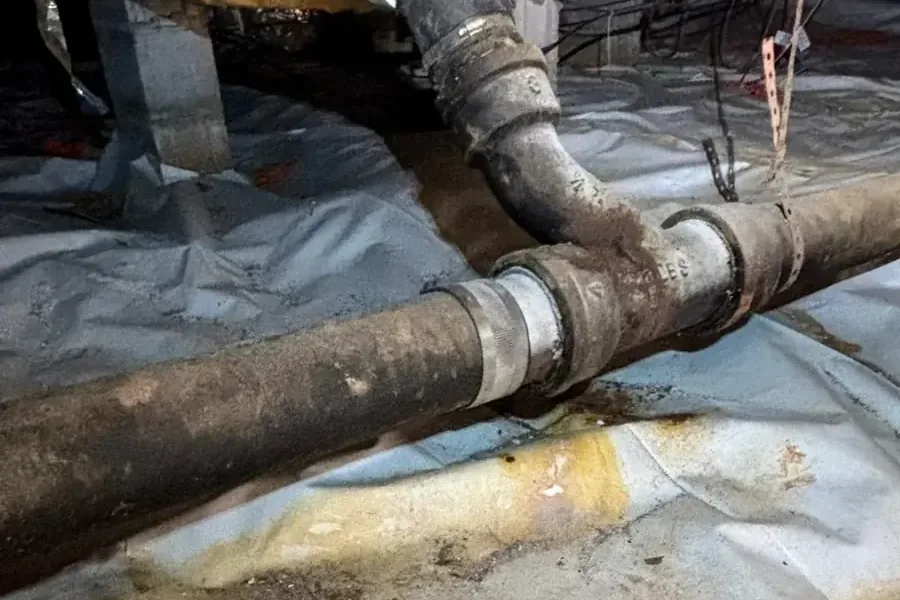
- Avoid open-flame thawingOccupants should not use a torch or improvised high heat on a pipe. A plumber assesses the frozen section and the safe source-control options for that system.
- Locate the shutoff safelyA known valve can help limit discharge if a split begins leaking. People should not enter standing water or a hazardous crawl space to reach it.
- Watch for delayed waterA thaw can reveal leakage after the coldest period ends. The household should report new dripping, wet wall bases or ceiling changes instead of assuming restored flow means an intact pipe.
- Keep affected rooms accessibleThe crew needs a dry route to the suspected loss. Photographs and the timing of flow changes help connect the pipe repair with the resulting wet-material assessment.
Planning costs
What does frozen pipe water damage cost in Cornelius, NC?
Thaw-related water damage mitigation often runs $1,300 to $6,500. The affected pipe location, discharge duration and wet cavity access matter more than the outdoor temperature alone. Plumbing repair and protective improvements form separate scope items.
Limited thaw discharge
$1,300 to $2,500- A reachable wet area near the source
- Extraction and initial material testing
- Monitoring after the pipe repair
Enclosed cavity loss
$2,500 to $4,500- Wall or ceiling access where needed
- Wet insulation and finish decisions
- Drying of retained connected assemblies
Several areas affected
$4,500 to $6,500+- More than one wet room or level
- Additional equipment and material handling
- Separate checks for further source leakage
Estimate only. The water damage cost calculator shows how wet area, contamination and material choices affect the planning range.
Measured work
The frozen pipe water damage process
Confirm the pipe condition
The plumbing professional evaluates the suspected freeze damage. The restoration technician checks whether water continues entering and records visible effects in adjoining materials.
Find the delayed spread
The crew checks cavities below and beside the source, including surfaces that became wet after flow returned rather than during the initial freeze.
Remove and dry
Extraction clears reachable liquid. Controlled access exposes retained wet materials, and the equipment plan accounts for room temperature and safe electrical supply.
Recheck and document
Follow-up readings show whether the assembly progresses after repair. The final record separates the source fix, damage mitigation and any later protective plumbing changes.
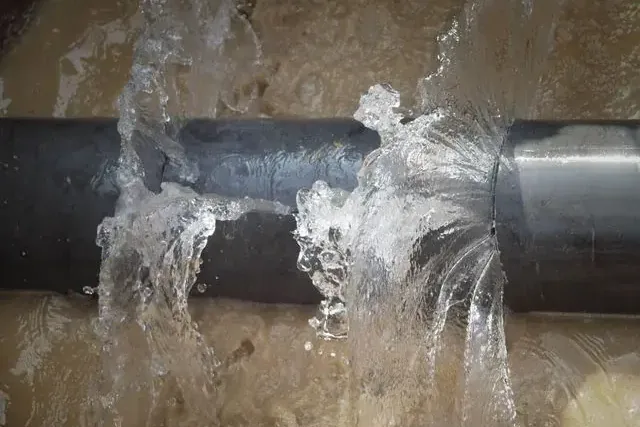
A frozen supply can conceal a split until thawing allows pressure to return. The first visible drip may therefore appear after the household believes the problem has passed. Frozen pipe water damage cleanup follows the resulting discharge, not simply the pipe temperature.
A conditional risk, assessed at the property
A house near Lake Norman and a building along Catawba Avenue can have very different pipe layouts. Even properties near the Rocky River drainage area need individual inspection. The service does not assume an exposed crawl-space pipe, a particular insulation level or a documented neighborhood freeze event.
- A pipe inside a closed cavity can leak beyond the first visible wall stain.
- A connected pipe section can still leak after faucet flow returns.
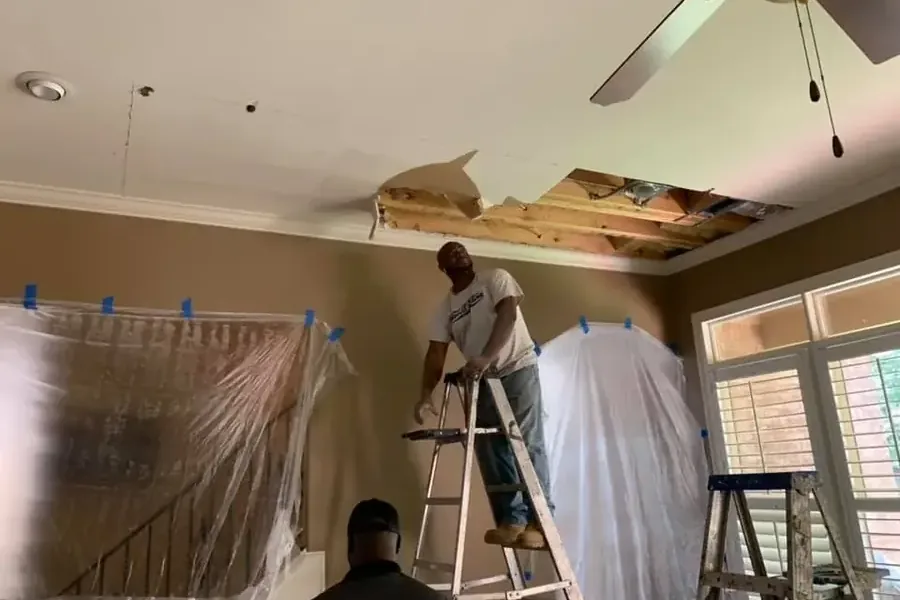
- A wet ceiling below the pipe needs its own stability and electrical assessment.
- Repair records should identify the failed section without treating all local plumbing as the same material.
Drying after a cold-water release
The crew removes standing water, checks the connected assembly and chooses safe access to trapped moisture. Drying performance depends on material exposure and controlled air conditions. A cold room may need equipment adjustments, but adding heat without measurement can damage finishes or leave concealed water untouched.
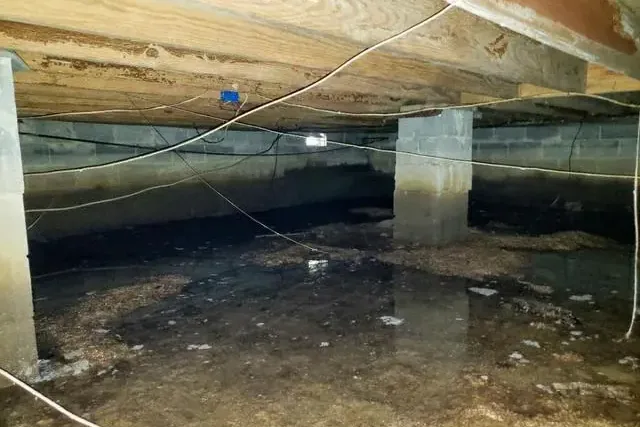
Open flames, portable heaters against finishes and electrical devices near leaking water can create additional hazards. People should keep away from a suspected split and arrange professional plumbing assessment. The restoration team evaluates the resulting room condition after safe source control. A flooded underfloor space or a sagging ceiling may need separate safety measures before any person enters or equipment begins operating there.
Keep prevention separate from cleanup
A plumber can review pipe exposure and protective improvements after the loss. The mitigation record focuses on what became wet and how it dried. Ready.gov winter weather information explains general cold-weather precautions, while EPA WaterSense supports leak awareness. Neither source establishes a specific freeze incident at the property.
Coverage
Frozen pipe water damage in Cornelius
The restoration team serves ZIP 28031, including the Catawba Avenue corridor and homes near Lake Norman. Crews check the actual source and wet materials at each property. Coverage also includes Mint Hill, Pineville, Westport, Sherrills Ford and Stanley.
Related services
Related water damage services in Cornelius
Questions
Frozen Pipe Water Damage questions in Cornelius
(888) 578-4720Review the post-thaw wet areas01Why did the leak start after the weather warmed?
Ice can restrict water flow through a split. When it thaws, pressure may expose the opening and release water into a cavity. A plumber confirms the failure while the restoration crew checks the resulting spread.
02Can restored water flow rule out a break?
No. Water can reach a fixture while another section leaks. New sounds, damp surfaces or pressure changes need investigation. The cleanup team should not declare source control from faucet flow alone.
03Does every thaw leak require wall removal?
The assembly, damage and access determine the decision. A moisture map identifies concealed spread. The technician records why a panel or insulation layer can remain, needs an opening or requires removal.
04Can a household use a heater to dry the area?
Uncontrolled heat does not replace extraction and moisture measurement. Electrical equipment near water also presents hazards. The drying team selects equipment and operating conditions after the affected room is safe to access.
05Is thaw-loss assessment available after hours?
24/7 dispatch supports urgent water damage assessment. The response team asks whether the supply is isolated, where moisture appeared and whether electricity or overhead materials restrict safe access to the affected area.
06Will pipe insulation be part of the drying job?
Protective plumbing work and damage mitigation are different tasks. The written scopes should distinguish source repair, possible exposure improvements and drying of the structure so the owner can review each responsibility.
24/7 water damage response
Water after a thaw needs a complete moisture map
The restoration crew checks the rooms and cavities affected by the release and documents their drying progress.