Cornelius, NC · Water damage response
Sewage Backup Cleanup in Cornelius, NC
Sewage entering a room is Category 3 water from the start. The mitigation team restricts access, removes contaminated porous materials and cleans the retained structure before measured drying, with urgent assessment available through 24/7 dispatch.
(888) 578-4720Restrict access and assess the backup- Category 3 from the outset
- 24/7 contamination response
- Controlled removal and cleaning
First steps
First steps for sewage backup cleanup
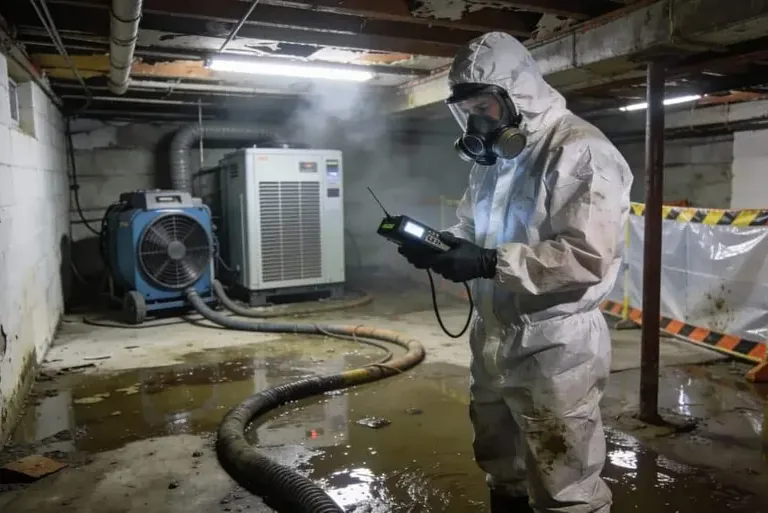
- Keep everyone outside the wet areaPeople and animals should avoid sewage and wet porous contents. The contaminated boundary may extend beyond visible puddles where water wicked into carpet, wallboard or stored material.
- Stop adding wastewaterOccupants should avoid using fixtures connected to the suspected backup. A plumber investigates the drainage source before repeated flushing or appliance discharge increases the amount entering the building.
- Avoid household cleanup equipmentA domestic vacuum or fan can create exposure and spread contamination. The mitigation crew selects extraction equipment, protective clothing and containment appropriate to the inspected conditions.
- Record without enteringSafe photographs from outside the affected room can document the initial loss. The team records materials and water marks before controlled removal and disposal begin.
Planning costs
What does sewage backup cleanup cost in Cornelius, NC?
Sewage backup mitigation typically needs $2,000 to $10,000 or more. Contaminated area, porous-material removal, access and cleaning requirements determine the work. Sewer repair and reconstruction are separate from the cleanup and drying scope.
Contained contaminated room
$2,000 to $3,500- Restricted access and suitable protection
- Controlled extraction and material decisions
- Cleaning of retained accessible surfaces
Multiple porous assemblies
$3,500 to $6,500- Carpet or wallboard removal where affected
- Waste handling and contamination controls
- Drying checks after physical cleaning
Extensive backup spread
$6,500 to $10,000+- Several rooms and concealed interfaces
- Larger containment and disposal needs
- Detailed records for rebuilding decisions
Estimate only. The water damage cost calculator shows how wet area, contamination and material choices affect the planning range.
Measured work
The sewage backup cleanup process
Establish the controlled area
The crew assesses contamination, utilities and the wet boundary. Protective equipment and a material-handling route keep the work separate from clean occupied areas.
Remove water and porous waste
Extraction clears accessible sewage. Affected porous materials come out beyond the visible water boundary as the actual contact and wicking require.
Clean retained surfaces
Physical cleaning removes soil before an appropriate EPA-registered antimicrobial is applied at its labelled dwell time. Product choice follows the surface and conditions.
Dry and document
The technician checks retained framing and other assemblies after cleaning. Moisture logs, photographs and disposal records explain the work and support the repair handoff.
Sewage cleanup cannot be treated as a clean-water dry-out with an extra spray at the end. The water contains gross contamination when it enters. The crew begins with access restrictions, material decisions and a cleaning sequence that protects unaffected rooms.
Source repair and indoor contamination are distinct
A backup near Catawba Avenue requires a plumbing source investigation, just as one near Lake Norman does. The presence of the Cornelius Library in the local area does not imply a shared sewer condition or a municipal cause. The team records what entered the property without inventing responsibility for the drain defect.
- Gloves, protective boots and suitable clothing reduce contact during controlled work.
- Respiratory protection and containment depend on the assessed exposure and work conditions.
- Carpet, pad and contaminated wallboard require removal rather than drying for reuse.
- Wicking can carry contamination above the visible water mark into porous finishes.
Cleaning comes before antimicrobial application
Soil and debris interfere with surface treatment. The crew physically cleans the retained structure, then uses an appropriate EPA-registered antimicrobial according to its label and dwell time. A product does not convert contaminated porous waste into salvageable material. Equipment placement follows cleaning and safe electrical access.
Shoes, hands and household tools can transfer contamination into dry rooms. Occupants should leave affected belongings in place until the crew establishes a handling plan. The team separates clean access from waste movement, uses suitable protective equipment and addresses electrical hazards before extraction. A plumber investigates the source so additional wastewater does not enter while the indoor removal and cleaning work proceeds.
Check the cleaned structure before rebuilding
Retained framing can remain wet after surfaces look clean. Moisture readings document the drying result before replacement panels conceal it. EPA antimicrobial information explains the product category; Ready.gov flood safety covers contaminated-water precautions. The contractor’s work record should show removal, cleaning and drying as separate completed tasks.
Coverage
Sewage backup cleanup in Cornelius
The restoration team serves ZIP 28031, including the Catawba Avenue corridor and homes near Lake Norman. Crews check the actual source and wet materials at each property. Coverage also includes Mint Hill, Pineville, Westport, Sherrills Ford and Stanley.
Related services
Related water damage services in Cornelius
Questions
Sewage Backup Cleanup questions in Cornelius
(888) 578-4720Describe the sewage-affected boundary01Is sewage always Category 3?
Sewage backup carries gross contamination from the outset. The response should not treat it as a sanitary supply spill. Material removal, protective controls and cleaning decisions follow that contamination before the remaining structure is dried.
02Can wet carpet be disinfected and kept?
Carpet and pad exposed to sewage are porous contaminated materials. The cleanup plan calls for removal rather than drying them for reuse. The underlying floor also needs assessment, cleaning and moisture checks.
03Why cut wallboard above the stain?
Water and contamination can wick beyond the visible mark. The technician evaluates the actual affected boundary and records it. A fixed cut height chosen without inspecting the assembly may leave contaminated material behind.
04Does antimicrobial replace physical cleaning?
No. Soil and debris need removal first. The selected product must suit the surface and follow its label, including dwell time. After cleaning, moisture checks identify the framing and surfaces that still need drying before repairs can begin.
05Is after-hours sewage assessment available?
24/7 dispatch supports urgent contamination response. The household should keep away from the affected area and avoid adding wastewater while the team reviews safe access and the plumbing source status.
06Who determines responsibility for a sewer defect?
The plumbing assessment and applicable utility arrangements establish source responsibility. The mitigation record describes the indoor damage and cleanup. A contractor should not assign a municipal or private cause solely from the neighborhood.
24/7 water damage response
Sewage cleanup starts with controlled access
The mitigation team removes affected porous layers, cleans retained surfaces and records the structure’s drying condition.