Cornelius, NC · Water damage response
Water Extraction in Cornelius, NC
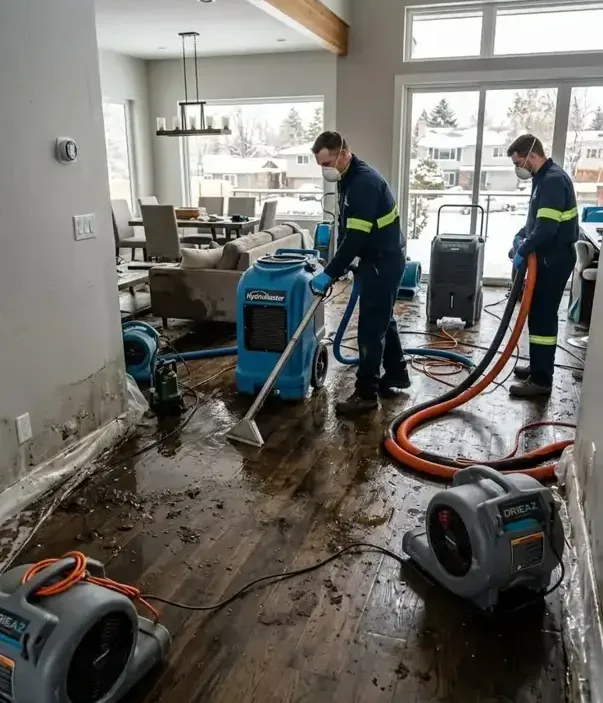
Water spread across a room needs removal before drying equipment can work efficiently. The extraction crew checks the source, chooses a tool for the surface and follows the wet boundary into adjoining spaces, 24/7.
(888) 578-4720Begin the standing-water removal- 24/7 extraction dispatch
- Surface-specific water removal
- Measured wet boundaries
First steps
First steps for water extraction
- Keep feet out of the waterOccupants should avoid flooded areas with electrical outlets, damaged cords or unknown water sources. Safe access comes before moving furniture or opening a valve.
- Identify continuing entryA reachable valve may stop a fixture leak from a dry location. The response team needs to know whether water still enters from a pipe or outdoors.
- Protect a dry routeHousehold members should leave a clear path from an unaffected entrance. Moving belongings through contaminated water can spread the damage into otherwise dry rooms.
- Document the first viewPhotographs taken from a safe doorway can show water depth, affected floor coverings and the apparent entry point before the crew starts removing liquid.
Planning costs
What does water extraction cost in Cornelius, NC?
Water extraction commonly falls around $800 to $4,500 before extensive removal or reconstruction. Floor area, water depth, contamination and access determine the equipment and labor; soaked wall cavities add work beyond the visible puddle.
One accessible room
$800 to $1,500- Low water volume on reachable surfaces
- Extraction around movable household contents
- Initial moisture checks at the edges
Several wet rooms
$1,500 to $3,000- Multiple floor materials and thresholds
- Additional extraction passes and hose access
- Checks beneath carpet or flooring
Deep or contaminated water
$3,000 to $4,500+- Pumping and controlled material movement
- Containment and disposal where needed
- Separate drying scope after extraction
Estimate only. The water damage cost calculator shows how wet area, contamination and material choices affect the planning range.
Measured work
The water extraction process
Assess the route
The technician maps where liquid entered, which surfaces it crossed and what electrical or contamination hazards restrict access to the wet area.
Remove the liquid
The crew uses pumps for accumulated water and extraction tools for residual moisture at carpet, hard floors and accessible room edges.
Expose trapped pockets
Material checks identify water beneath pad, cabinets or floor layers. Selective access follows the condition and contamination of the affected assembly.
Transfer to drying
The drying team records the starting moisture levels and sizes equipment for the water remaining in materials after extraction finishes.
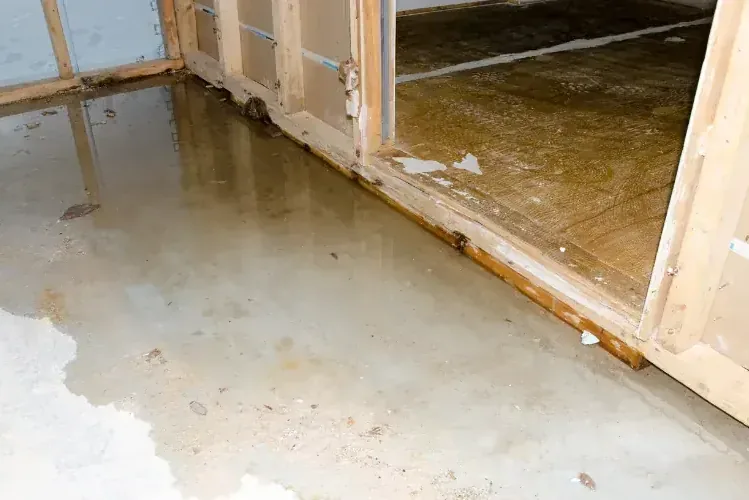
A floor can look clear while its backing remains saturated. Water extraction in Cornelius begins with the accessible liquid, then checks where gravity and absorption carried moisture. A wet threshold often connects two rooms even when only one room shows standing water.
Extraction follows the material
Near Lake Norman, a wet floor can come from an indoor supply failure as easily as from outside water. Along Catawba Avenue, the assessment likewise starts at the actual source. For properties around Cain Center for the Arts, the crew checks wet thresholds, wall bases and adjoining rooms to map the full spread before extraction begins.
- Carpet extraction must consider the pad, subfloor and contamination beneath the visible pile.
- A tiled surface can conceal wet backing or water at adjoining wall plates.
- Cabinet toe kicks may hold water after the open floor has been cleared.
- Dense wood and layered flooring require moisture checks before aggressive drying or removal.
Why removal and drying are separate tasks
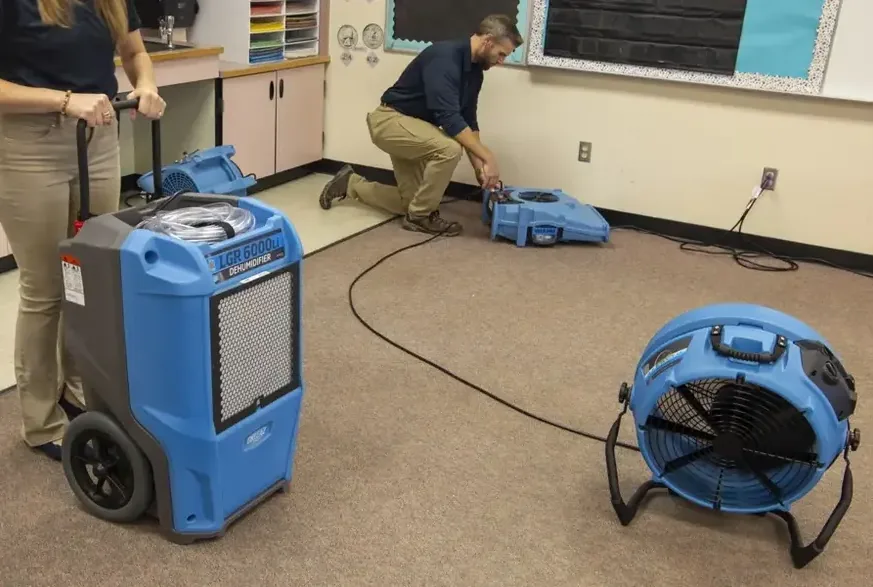
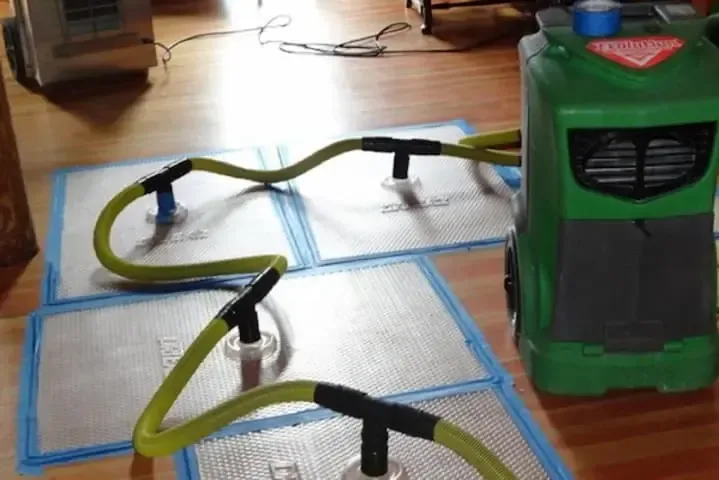
An extraction tool removes liquid that it can physically reach. Air movers and dehumidifiers handle moisture released from the remaining materials. Skipping extraction increases the load on drying equipment; stopping after extraction leaves absorbed water behind. The crew records both stages so the scope explains the work.
People should never use a household vacuum on standing water or carry powered equipment through a flooded room. Electrical hazards can remain after a breaker appears to be off, and dirty water can hide sharp debris. The response team checks these conditions before entry. If a ceiling sags or structural movement appears, occupants should leave the affected space and seek an appropriate safety assessment before cleanup begins.
Records after the pump stops
The technician compares wet materials with an appropriate dry reference and marks the remaining drying area. Photographs of removed finishes and the first moisture map help explain the scope. FEMA flood information distinguishes flood considerations, while EPA water information provides broader water-quality context. A source description should stay specific to the inspected loss.
Coverage
Water extraction in Cornelius
The restoration team serves ZIP 28031, including the Catawba Avenue corridor and homes near Lake Norman. Crews check the actual source and wet materials at each property. Coverage also includes Mint Hill, Pineville, Westport, Sherrills Ford and Stanley.
Related services
Related water damage services in Cornelius
01Does clear-looking water count as clean?
The assessor checks where the water came from, what it touched and how long it has been inside the building. Outside water and sewage require a different response from a recently released sanitary supply.
02Can carpet stay after extraction?
The backing, pad, water category and physical condition determine that decision. The crew checks below the surface rather than assuming a successful extraction means the entire floor assembly can remain.
03How does the crew choose a pump?
Water depth, debris, access and the discharge route guide equipment choice. An extraction wand addresses residual water after pumping, while material readings identify moisture that still needs a separate drying process.
04Is extraction available overnight?
Emergency dispatch operates 24/7. The response team reviews the location, source and safety conditions when arranging assessment. The property location and safe access influence the individual response plan.
05When does the insurer need photographs?
Safe photographs before removal preserve the original condition. The restoration crew adds material and moisture records during work. The policyholder should confirm reporting requirements directly with the insurer.
06What comes after the floor looks clear?
The drying technician checks wall bases, subfloor and concealed pockets, then sets equipment for the remaining moisture load. Final readings determine when affected materials are ready for subsequent repairs.
24/7 water damage response
Start the extraction assessment
The crew removes accessible liquid and measures the moisture that remains in the floor and wall assemblies.