Mint Hill, NC · Mecklenburg County
Water Damage Restoration in Mint Hill
Water can cross a doorway, soak the backing beneath a floor or collect behind a wall before its full reach becomes visible. Recovery begins with the source, safe access and a map of affected materials.
(888) 578-4720Discuss the wet rooms and source- Water path assessment
- Material drying plans
- Source repair coordination
Describe visible damage, ongoing water and access concerns so the assessment can focus on the affected building materials.
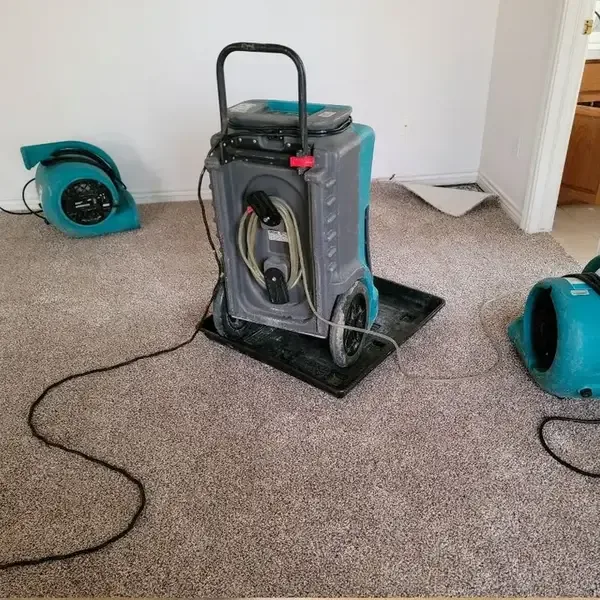
Before the cleanup begins
Keep the next action safe and useful
- Stay outside electrical hazardsWater around outlets, appliances or damaged wiring requires professional assessment. Keep people on dry flooring and avoid touching controls from within the wet area.
- Stop an accessible sourceA known supply valve may help limit an indoor leak when it is safe to reach. Leave uncertain connections and submerged controls alone.
- Protect unaffected belongingsMove light items from safe dry edges and keep wet contents separated. Avoid dragging heavy furniture or contaminated material through rooms that remain unaffected.
- Record the visible changesPhotograph stains, water marks and affected contents from stable positions. Note the discovery sequence and any source action already taken before cleanup changes the scene.
- Explain the whole footprintDescribe adjoining rooms, lower ceilings and concealed areas showing moisture. Those details help the assessment look beyond the first puddle or visibly damaged finish.
Choose the damage pattern
Start with where the water appeared
Different losses need different access and material decisions. Select the problem closest to the observed damage, then describe any adjoining spaces or concealed layers that may also be wet.
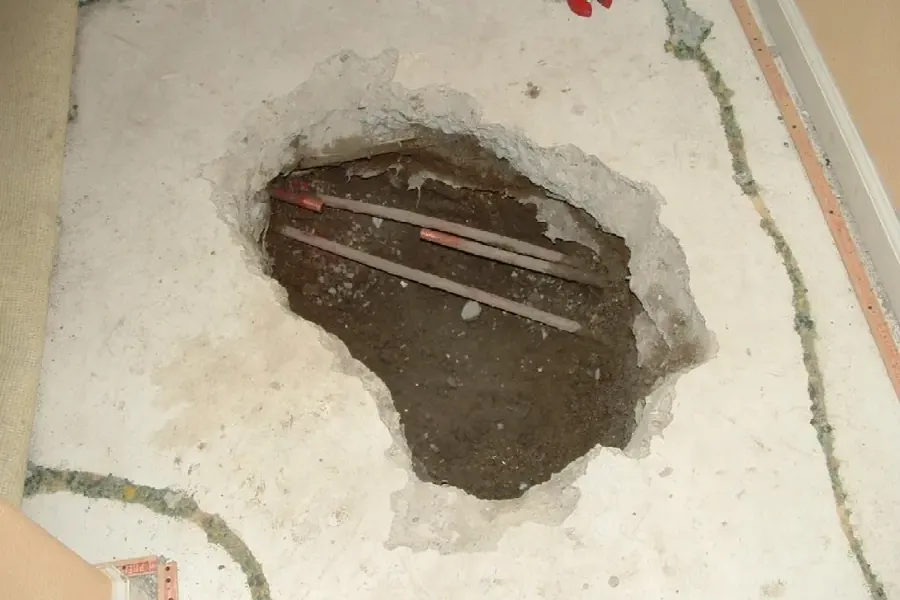 Slab Leak Water DamageUnexplained floor dampness needs plumbing findings connected to the moisture spreading beneath the covering.Explore this service
  Ceiling Leak Water DamageOverhead stains direct attention to panel stability, insulation and the route water followed above the room.Explore this service
  Roof Leak Water DamageRain entry requires coordinated exterior repair and an interior assessment of the attic and ceilings.Explore this service
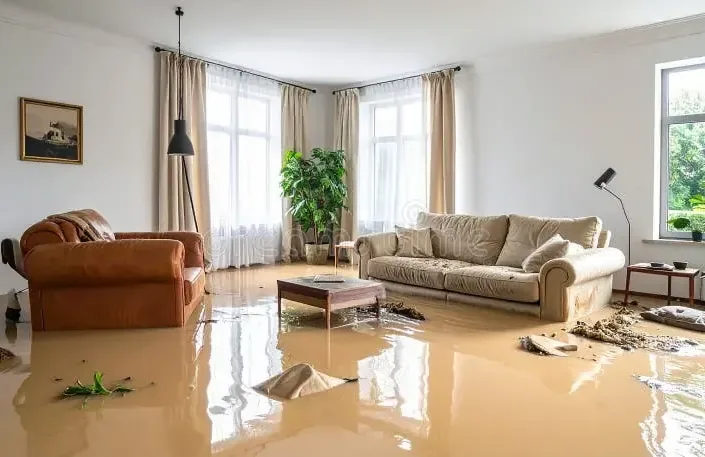
 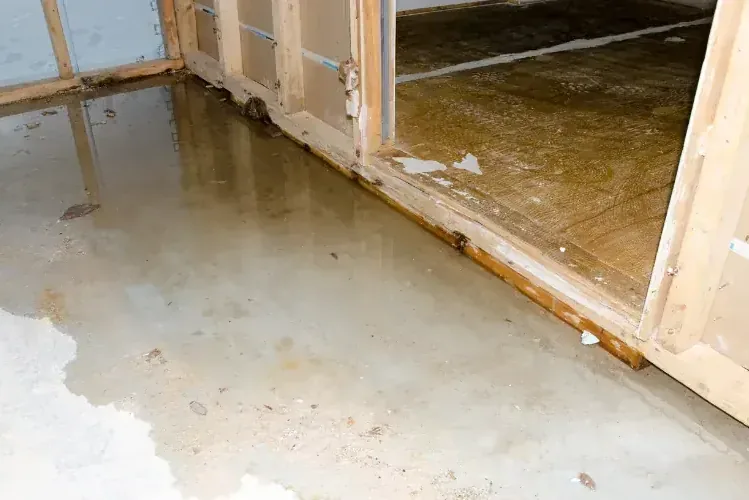 Storm Flood CleanupOutdoor water contact shapes removal, cleaning and contents decisions before retained materials enter drying.Explore this service
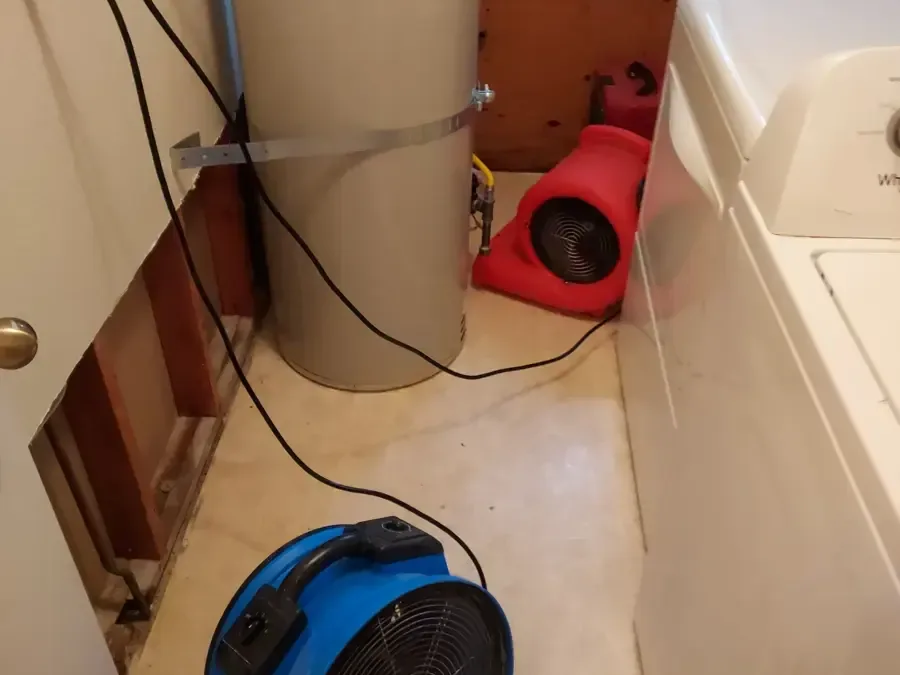
 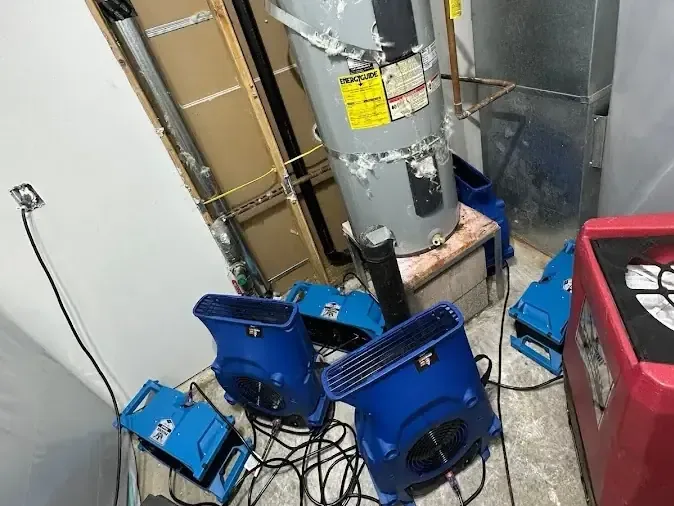 Water Heater Leak CleanupTank discharge can reach storage, wall bases and adjoining rooms beyond the heater's immediate position.Explore this service
  Appliance Leak Water DamageCabinet edges and hidden floor backing deserve inspection after kitchen or laundry equipment releases water.Explore this service
 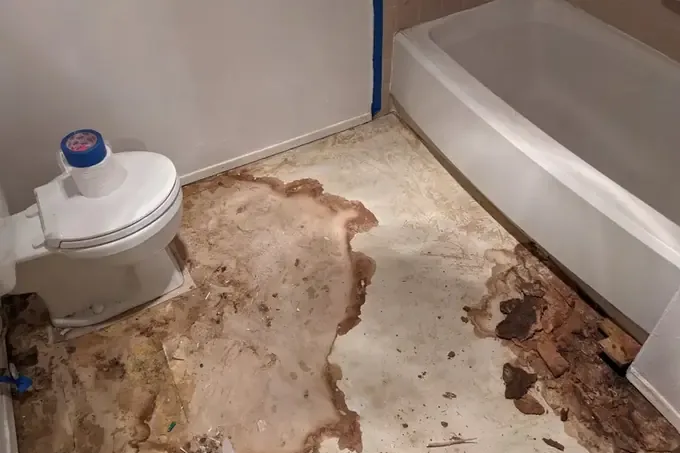 Toilet Overflow CleanupBathroom cleanup follows the overflow through floor joints and thresholds while assessing water condition.Explore this service
  Sewage Backup CleanupWastewater requires restricted access and controlled handling of contaminated surfaces, porous materials and affected belongings.Explore this service
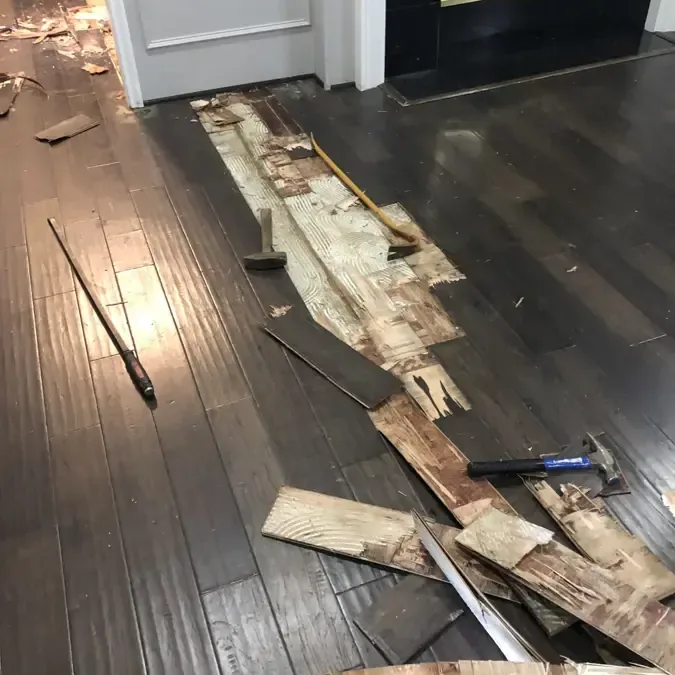
 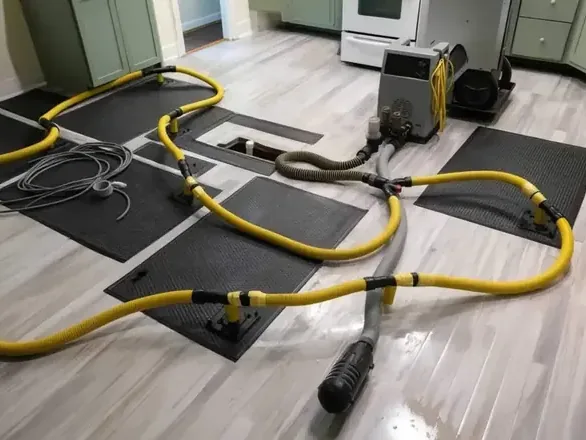 Hardwood Floor Water DamageChanging board shapes call for product identification and moisture checks through the floor assembly.Explore this service
 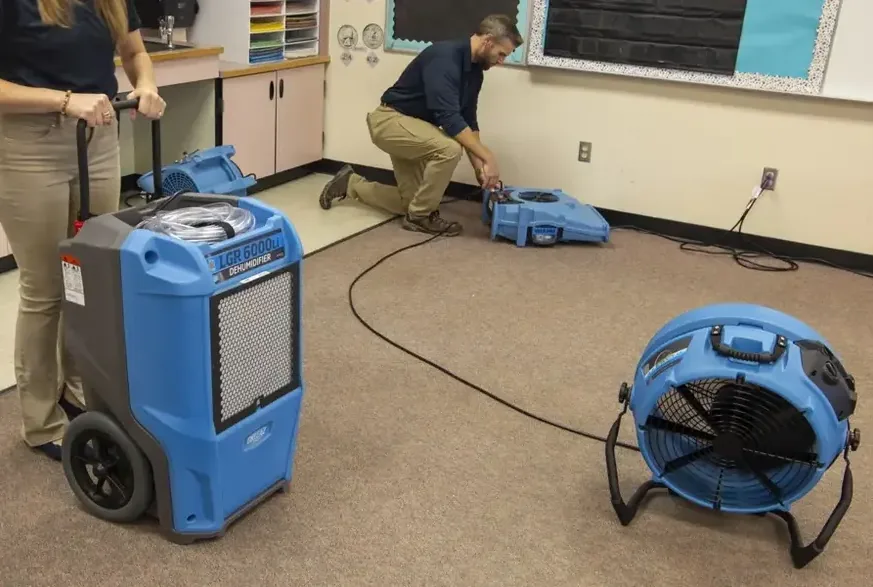 Structural DryingRepeated material readings show how retained framing and backing respond to access and equipment adjustments.Explore this service
  Commercial Water DamageBusiness recovery connects wet material handling with property contacts, contents decisions and safe occupied routes.Explore this service
 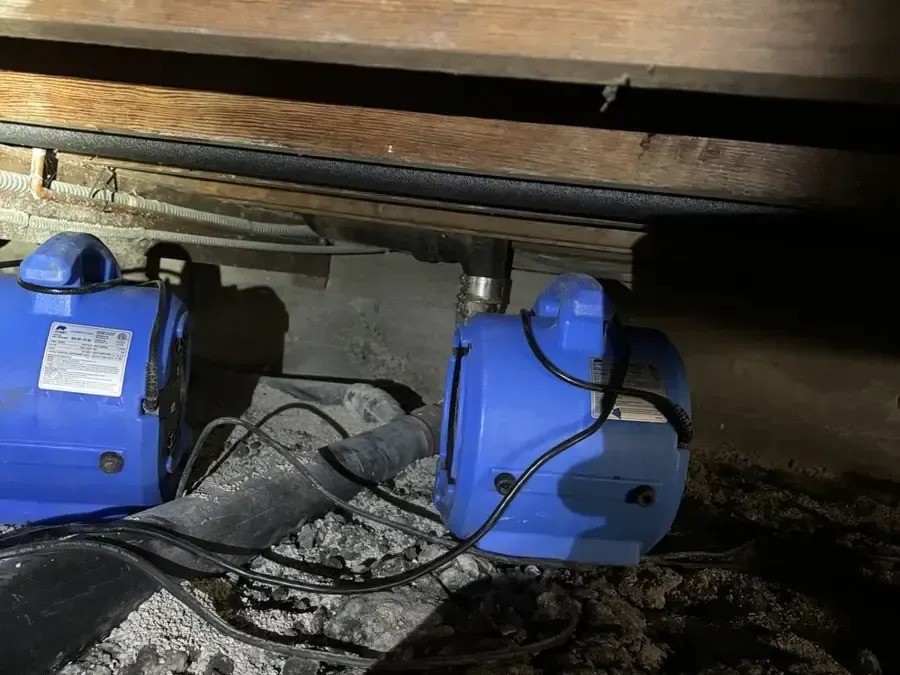 Crawl Space Water RemovalUnderfloor recovery includes wet insulation and supports as well as the pool beneath the building.Explore this service
 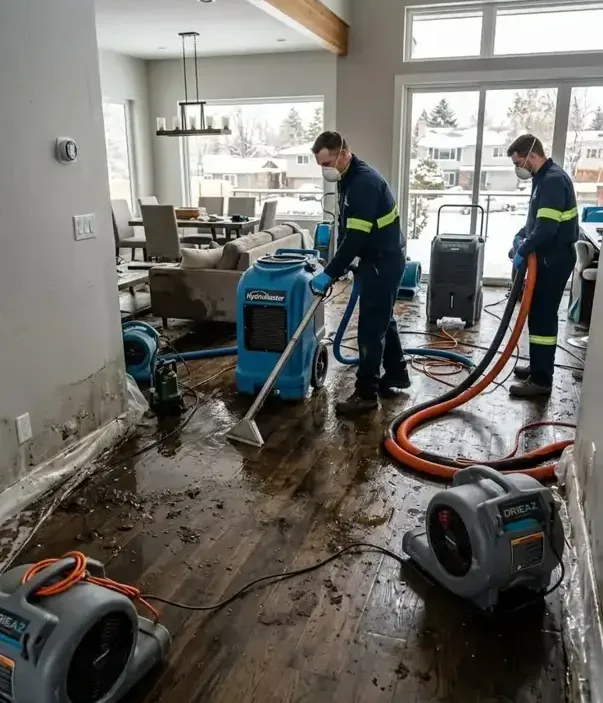 Water ExtractionStanding liquid is removed while surrounding floor edges are checked for water beneath the finish.Explore this service
  Burst Pipe Water DamagePressurized discharge calls for tracing spray paths, wall cavities and rooms below the broken plumbing.Explore this service
  Frozen Pipe Water DamageA thaw can reveal leakage that needs source isolation and inspection of newly wet materials.Explore this service
 A material focused sequence
Connect source correction with measured drying
Stopping a leak prevents additional water, while restoration addresses what the building already absorbed. The scope should connect removal, cleaning and drying with the materials that will remain for later finish repairs.
Define the wet area
Inspection follows water across floor transitions, walls and connected rooms, recording the footprint before equipment and removal work change the original conditions.
Choose material access
The condition of finishes and concealed layers determines what can remain and where openings are needed for cleaning, inspection or effective drying.
Match the drying setup
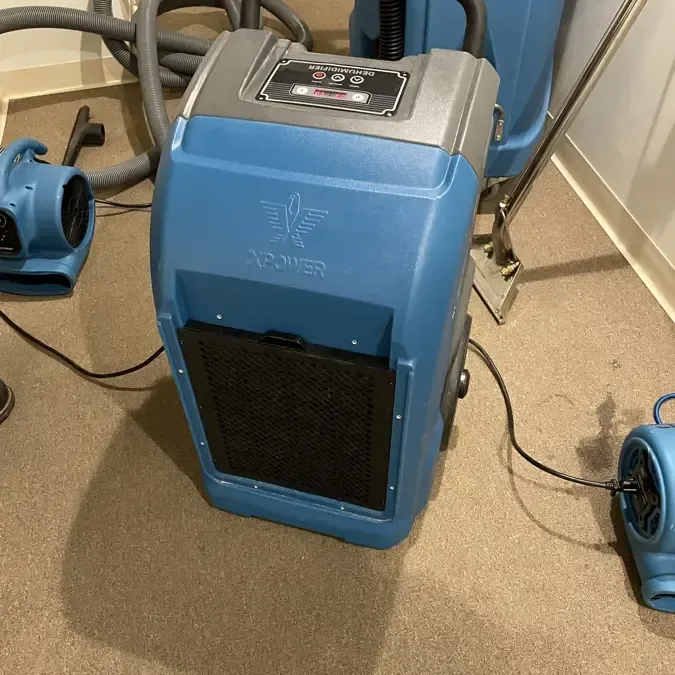
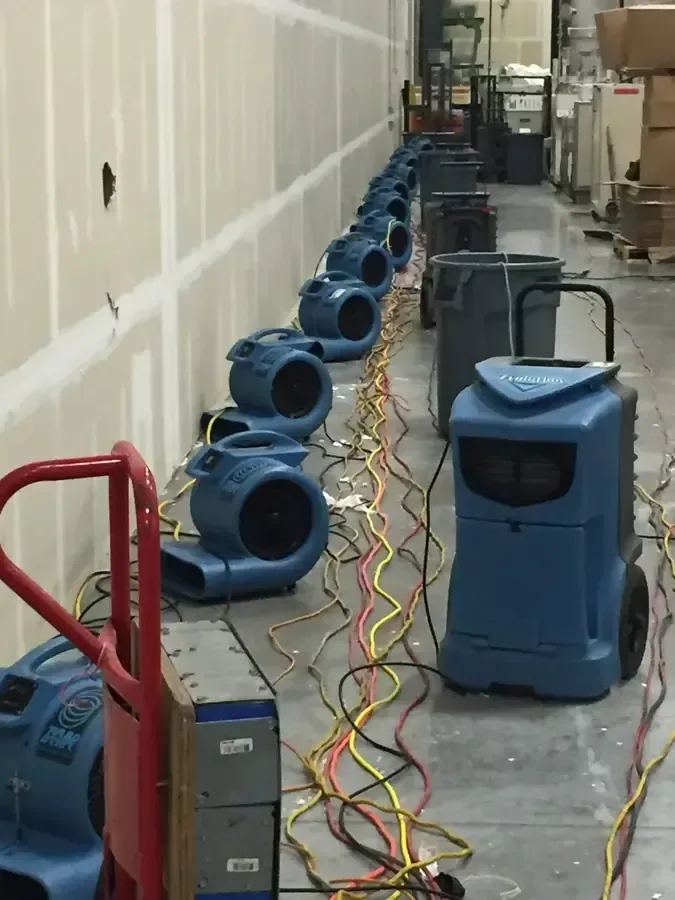
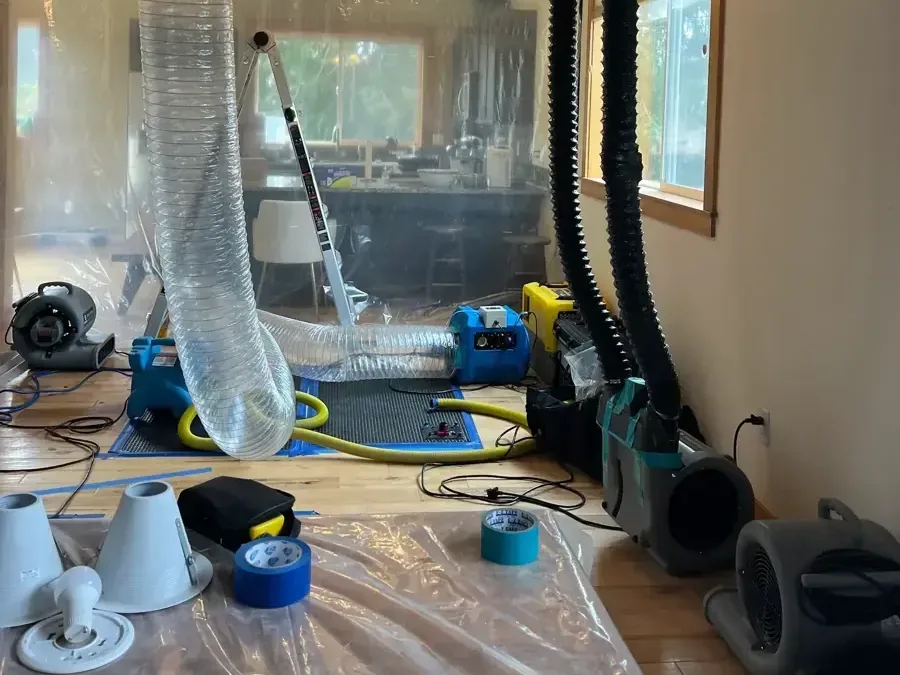
Suitable retained materials receive controlled airflow and dehumidification, with safe power and occupied routes considered when equipment is placed throughout the affected area.
Prepare the repair handoff
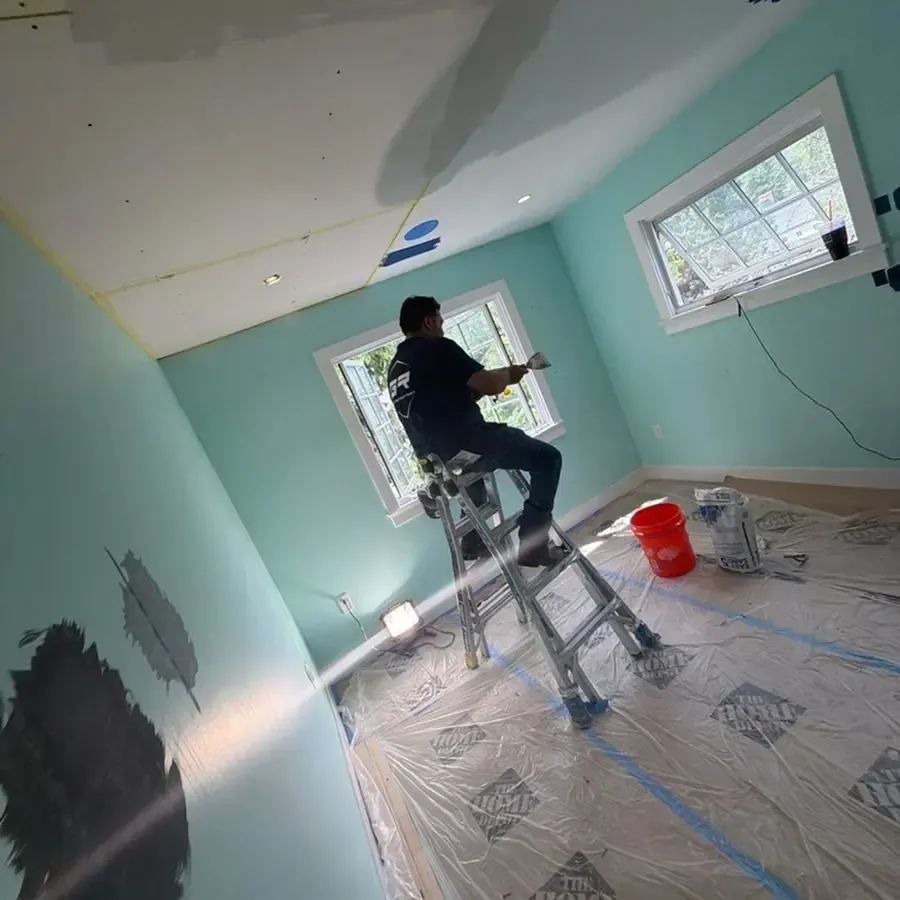
Recorded readings and completed work identify the retained assembly's condition and the remaining tasks before new insulation, flooring or wall finishes conceal it.
- Source status recorded
- Access decisions explained
- Material response measured
Decisions that stay clear
Know what each recovery stage addresses
A useful cleanup scope explains the affected layers, the source status and the next repair step. Clear records help homeowners understand why equipment, openings or material removal are needed.
Separate source and damage
Plumbing or roof work stops entry; cleanup addresses wet finishes and concealed materials. The written scope keeps those responsibilities connected and understandable throughout the job.
Explain removal decisions
Each opening should have a purpose, whether reaching wet insulation, handling contamination or exposing backing. Suitable retained materials need their own drying and measurement plan.
Record actual progress
Consistent readings show the response of the materials being dried. Equipment changes and additional access should relate to those observations rather than surface appearance alone.
Keep reconstruction coordinated
The final handoff should identify remaining repair needs and conditions for replacement materials. A tidy room still needs the underlying assembly ready for closure.
Plan around the affected materials
What shapes water damage costs in Mint Hill?
The wet footprint, water condition and access beneath finishes drive cleanup costs. A small accessible loss requires a different scope from concealed moisture or contaminated rooms, with source repairs and reconstruction identified separately.
Accessible localized damage
$1,000 to $3,000- A limited wet area within reach
- Basic extraction and retained material checks
- Targeted equipment after source control
Connected rooms and layers
$3,000 to $7,000- Additional access behind affected finishes
- Several materials needing separate drying attention
- More handling of wet building layers
Extensive or contaminated loss
$7,000 to $10,000+- Broader removal and cleaning requirements
- Controlled handling across the affected spaces
- Detailed coordination before reconstruction can begin
These ranges support initial planning. The property assessment should explain actual material quantities, access needs and the work included in the estimate.
Water condition changes the work
Match cleanup to what entered the building
Supply water release
A pipe or tank leak needs source control and attention to the surfaces it contacted before extraction and drying methods are selected.
Assess standing waterAppliance discharge
Kitchen or laundry water can contain residue and reach hidden backing. The appliance cycle and affected layers help define the necessary material handling.
Inspect appliance moistureWastewater contact
Sewage exposure calls for restricted access, protective removal and appropriate cleaning of retained surfaces before a measured drying plan addresses the remaining moisture.
Discuss wastewater recoveryDifferent assemblies need different access
See the materials involved in water recovery
Property access planning
Water damage help across Mint Hill
Describe the property and the affected spaces
Brighton Park includes detached houses and townhomes, while Summerwood contains larger detached homes. Describe the actual room connections and entry access so inspection can follow the water through the property.
Olde Sycamore and The Meadows of Mint Hill also contain detached housing. Explain wet levels, blocked entrances and source status when arranging assessment of the affected building.
- 28227
- 28105
Useful access corridors
- Lawyers Road
- Brief Road
- Fairview Road
- Lebanon Road
Town drainage and building layout
Local context for the water assessment
The town center sits on a drainage ridge, with creeks receiving flow in different directions. Inside a damaged property, observed entry and room connections define the actual cleanup footprint.
March 10, 2022: A water main broke at Lebanon Road and Singletree Road. The incident closed Lebanon Road between Pine Lake Lane and Hidden Hills Lane.
- Western drainage: Water on the western side drains toward McAlpine Creek within the Catawba River watershed. Property inspection should document the entry route and surfaces contacted by any outdoor water.
- Eastern flow: Clear Creek, Crooked Creek and Goose Creek receive eastern drainage within the Rocky River watershed. Visible water marks help establish the affected building area after entry.
- Attached garage transitions: Some Brighton Park townhomes have attached garages. Where an indoor leak crosses a connecting doorway, floor edges and wall bases on both sides need attention.
- Concealed floor layers: Homes in The Meadows of Mint Hill were built between 2005 and 2007. At an affected home, the installed flooring and wet backing determine drying access.
- Different exterior finishes: Summerwood has brick and stone exteriors, while brick appears in Olde Sycamore. Interior inspection follows the actual water path through the building rather than stopping at exterior appearance.
01What information helps arrange the initial assessment?
Describe the source when known, the rooms showing damage and whether water continues to enter. Include electrical concerns, unstable ceilings and access restrictions so the assessment can begin with a safe approach to the property.
02Does stopping the leak finish the restoration?
Source control stops additional discharge, but insulation, backing and framing may still be wet. The cleanup scope should identify those retained materials and the access needed to remove moisture before finishes are repaired or replaced.
03Why might a room beside the leak need checking?
Water can travel under flooring, through wall openings or down connected assemblies. Inspection beyond the first visible puddle helps establish the actual footprint and identifies materials that may otherwise remain hidden during repair work.
04Can wet materials always remain in place?
Retention depends on condition, contamination and access for effective drying. Some layers need removal, while suitable materials can remain under a measured plan. The assessment should explain those decisions for the actual building assembly.
05Are outside floodwater and appliance leaks handled alike?
The source and contact history affect cleaning and material decisions. Outdoor water, appliance residue and sewage exposure each require appropriate assessment before drying equipment is placed or wet porous materials are retained within the property.
06How is drying progress established?
Repeat readings at representative points show how retained materials respond. Air conditions help manage the process, but the wall, floor and framing measurements support decisions about equipment changes, additional access and readiness for reconstruction.
07Can occupants keep using the affected rooms?
Access depends on electrical conditions, ceiling stability, contamination and equipment routes. Keep people away from unsafe wet areas and discuss necessary occupied paths so the work boundary and drying setup account for daily access needs.
08What should be kept for an insurance discussion?
Keep safe photographs, the discovery account, source repair details and cleanup records. Material removal notes and drying measurements help explain the work performed, while coverage and payment decisions remain matters for the policy and insurer.
09When can replacement finishes be installed?
Source repair, appropriate cleaning and retained material drying should be addressed first. The handoff needs to identify moisture conditions and the requirements of replacement products so reconstruction does not conceal unfinished work inside the assembly.
24/7 water damage response
Turn the visible damage into a clear recovery scope
Describe where water appeared, what changed and whether the source remains active so the assessment can address the affected materials and access.