Standing water beneath the occupied floor
Crawl Space Water Removal in Stanley
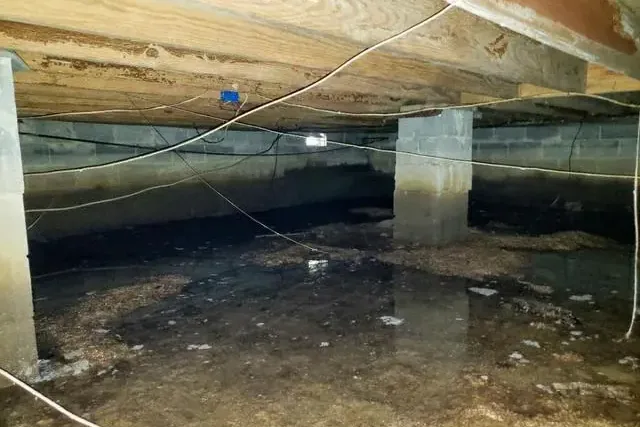
Water beneath a building can leave insulation and framing wet after the pool is removed. Where a property has a crawl space, the assessment starts with safe access and the entry source before choosing removal and drying methods.
(888) 578-4720Discuss Stanley underfloor water removal- Underfloor access assessment
- Wet insulation handling
- Retained framing moisture checks
First steps
First steps for crawl space water removal
- Stay outside the flooded enclosureOccupants should not enter standing water beneath a building to inspect wiring or plumbing. The crawl space needs an access and safety assessment before removal equipment or workers move into the affected area.
- Describe what is visible safelyFrom an accessible dry position, note pooling, hanging insulation or active dripping without disturbing the enclosure. Those observations help identify inspection needs while avoiding unnecessary contact with water or damaged underfloor components.
- Explain the suspected entry sourceReport any known pipe failure, completed repair or observed outdoor entry. The assessment needs to establish whether water continues arriving before sustained extraction and drying can be planned for the underfloor materials.
- Keep above floor symptoms connectedMention damp flooring or changes in the room above the crawl space. Those observations can help connect underfloor moisture readings with the occupied assembly and identify areas that deserve inspection from both sides.
Planning costs
What does crawl space water removal cost in Stanley, NC?
Crawl space water removal estimates in Stanley depend on entry access, water condition and wet materials above the pool. Restricted clearance, saturated insulation or concealed floor backing can add work beyond collecting the liquid visible beneath the building.
Accessible underfloor water
$1,500 to $3,000- Standing liquid reachable through suitable access
- Limited obstruction around the removal area
- Initial checks of exposed overhead framing
Wet insulation and wider spread
$3,000 to $5,000- Insulation holds moisture against floor materials
- Water extends beneath additional occupied spaces
- Handling and drying reach a broader assembly
Restricted or contaminated space
$5,000 to $7,000+- Difficult entry complicates equipment and handling
- Water condition changes material removal decisions
- More involved access to retained wet surfaces
Estimate only. The water damage cost calculator shows how wet area, contamination and material choices affect the planning range.
Measured work
The crawl space water removal process
Evaluate enclosure entry
Inspection establishes safe access, water condition and any active source. Removal arrangements account for the actual opening and working space beneath the affected property.
Collect reachable water
Equipment addresses accessible liquid. The work identifies pockets and insulation that obstruct inspection of framing or the underside of the occupied floor assembly.
Assess insulation and wood
Insulation receives a handling decision. Exposed framing and backing are measured so drying can target retained moisture above the original pool.
Check removal and drying
Completion findings distinguish the cleared pool from building material conditions. The record identifies source work, insulation replacement or access still needed beneath occupied rooms.
A crawl space pool can be difficult to inspect from its opening, and entering it may introduce hazards that are invisible from outside. At a Stanley property with this foundation space, restoration begins with an access assessment. Electrical conditions, water source and available working clearance influence the removal method.
The wet footprint includes materials overhead
Insulation can sag or remain wet against the underside of a floor even after accessible liquid is gone. Exposed joists and backing also need moisture checks. The assessment should record what is reachable and which areas need further access before a drying plan can serve the affected underfloor assembly effectively.
- Describe the entry opening from outside rather than entering standing water beneath the building.
- Report dripping pipes or recurring pools observed from an accessible and safe position.
- Include hanging insulation when describing the materials affected above the visible water surface.
- Keep the inspection route clear without moving wet wiring or disturbing damaged underfloor components.
Separate underfloor source control from water collection
A plumbing release needs repair attention, while outdoor entry needs evaluation of its actual path at the building. The town water system uses Mountain Island Lake, part of the Catawba River Basin. Inside the crawl space, the observed release and affected materials establish the cleanup priorities for that particular property.
A request from a property near Harper Park can include the crawl space opening, visible pool and any known source repair. The next inspection considers insulation, framing and floor backing above the water. These materials may retain moisture after pumping, and some can obstruct access to the surfaces that need drying. Handling decisions should be recorded before equipment is arranged beneath the occupied floor.
Coordinate drying with the rooms above
Moisture may involve both sides of a floor assembly. Measurements beneath the building can be paired with checks in the affected occupied room where appropriate. Structural drying then addresses retained materials, while the completion record distinguishes underfloor cleanup from source repairs and any insulation or finish replacement still needed.
Coverage
Crawl space water removal in Stanley
Stanley properties with a crawl space can request assessment of underfloor water and affected materials. Locations near Harper Park should describe the entry opening, observed source and any damp floor conditions above the enclosure when discussing cleanup access.
The same service nearby: crawl space water removal in Cornelius, Westport, Sherrills Ford.
Related services
Related water damage services in Stanley
Questions
Crawl Space Water Removal questions in Stanley
(888) 578-4720Discuss Stanley crawl space access conditions01Is it safe to enter the crawl space to check the pool?
Standing water beneath a building can hide electrical and access hazards. Occupants should remain outside the affected enclosure and describe visible conditions from a safe position until appropriate entry assessment has been completed.
02Does pumping out the water dry the floor assembly?
Pumping collects accessible liquid, while insulation, framing and floor backing may remain wet above it. Those materials need separate assessment and a drying arrangement that can reach the surfaces holding retained moisture.
03What should happen to insulation hanging into the water?
Its contamination, condition and moisture need evaluation. Wet insulation can obstruct drying of adjacent wood, so the handling decision should consider both the insulation itself and access to the retained floor assembly.
04Why inspect the occupied room above the crawl space?
The floor assembly connects the spaces. Symptoms above and measurements below can help identify the extent of wet backing or boards, allowing the restoration plan to consider both sides where access is appropriate.
05Can removal begin while water is still entering?
The ongoing source needs attention alongside safe removal decisions. Continued entry changes the work and prevents reliable drying, so the assessment should establish whether plumbing repair or another source action is still needed.
06What should be documented at the end of underfloor work?
The record should show water removal, material handling and drying findings, including any inaccessible areas. Remaining source repairs or insulation replacement should be listed separately so the overall recovery needs stay clear before the space is closed.
24/7 water damage response
Arrange an underfloor moisture assessment
Describe visible water, hanging insulation and known source repairs so removal and drying can be planned for the actual enclosure.