Sewage entering the living space
Sewage Backup Cleanup in Stanley
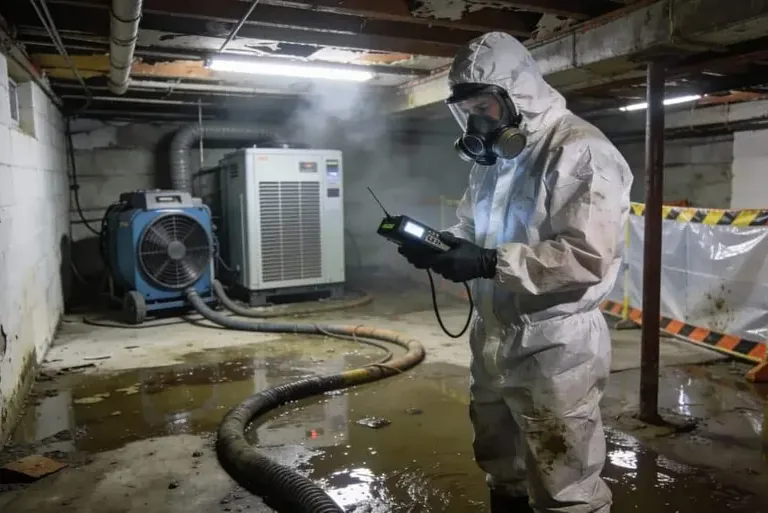
Wastewater rising through a drain needs more than a floor wipe. The affected space requires restricted access, a source investigation and careful material handling before cleaning and drying can prepare retained surfaces for repair and reuse.
(888) 578-4720Discuss Stanley wastewater damage recovery- Contaminated area separation
- Porous material assessment
- Cleaning before controlled drying
First steps
First steps for sewage backup cleanup
- Keep the affected rooms unoccupiedChildren, pets and other occupants should remain outside wastewater contact areas. Avoid walking through the release to retrieve items, since contaminated footwear can carry residues into previously clean living spaces.
- Limit further drain dischargeStop using fixtures associated with the backup and report whether multiple drains are involved. The repair investigation needs those observations while cleanup addresses the water and materials already affected indoors.
- Separate contents before movementDo not carry wet rugs or boxes into dry rooms. A suitable handling route and destination should be established before contaminated porous items are assessed, removed or moved for treatment.
- Record the contact footprint safelyPhotographs from outside the affected area can show rising drains, exposed finishes and water marks. These records help describe the initial conditions without requiring anyone to enter the contaminated room.
Planning costs
What does sewage backup cleanup cost in Stanley, NC?
Sewage cleanup estimates in Stanley depend on the contaminated footprint and the porous materials exposed. Controlled handling, selective removal and cleaning access influence the scope before drying is planned for suitable retained wall and floor assemblies.
Contained contaminated room
$2,000 to $3,500- Wastewater contact within a defined room
- Accessible surfaces available for cleaning assessment
- Limited porous contents requiring handling decisions
Multiple porous assemblies
$3,500 to $6,500- Flooring and lower wall layers exposed
- Selective removal around contaminated material edges
- Additional separation of clean occupied spaces
Extensive backup spread
$6,500 to $10,000+- Wastewater reached connected rooms and contents
- Broader removal and controlled transport arrangements
- Complex access for cleaning retained materials
Estimate only. The water damage cost calculator shows how wet area, contamination and material choices affect the planning range.
Measured work
The sewage backup cleanup process
Define contamination boundaries
Inspection records wastewater contact and movement through porous layers. Work routes separate occupied areas before removal equipment or affected contents travel through the building.
Remove unsuitable materials
Wastewater is collected and contaminated porous materials receive handling decisions. Exposure and condition direct removal so the remaining assembly becomes accessible for cleaning.
Clean retained surfaces
Appropriate cleaning precedes drying. Opened edges and cavities are examined for concealed contamination or moisture that would otherwise remain beneath replacement building finishes.
Document remaining work
Measurements track cleaned materials through drying. Completion records distinguish interior cleanup from drain repair and identify reconstruction needed before affected spaces return to normal use.
Stanley's wastewater report warns that grease blockages can cause wastewater to back up inside homes and damage property. Once a backup reaches a room, the cleanup plan must account for contact with floor finishes, belongings and lower walls. Restricting traffic keeps contamination from spreading beyond the original release.
Keep the plumbing investigation connected to cleanup
Public Works operates and maintains municipal wastewater collection, which carries wastewater to the Two Rivers treatment plant. A building backup needs its own drainage investigation alongside the interior assessment. Observations about rising drains and repeated overflow help the repair contact identify the problem while restoration addresses the materials already exposed.
- Stop using affected fixtures when wastewater continues rising or reappears after discharge indoors.
- Keep shoes and equipment used in contaminated rooms away from clean occupied spaces.
- Identify porous contents that absorbed wastewater before moving them across the building interior.
- Include wall bases and floor seams when defining the boundary of contaminated materials.
Grease control has a practical local connection
The town advises households against pouring grease or oil into drains and garbage disposals. Its wastewater report also addresses grease traps and collection containers at cooking establishments. A Main Street business facing a backup should report the affected fixtures and any relevant drainage observations while keeping staff outside contaminated work areas.
A location near Harper Park or Brevard Station Museum can help identify where assistance is needed. Inside the property, the cleanup boundary follows wastewater contact and moisture movement. A wet carpet, cabinet base or wall cavity may need different handling from an accessible hard surface. Decisions should be documented before removal and before fans move air through the affected room.
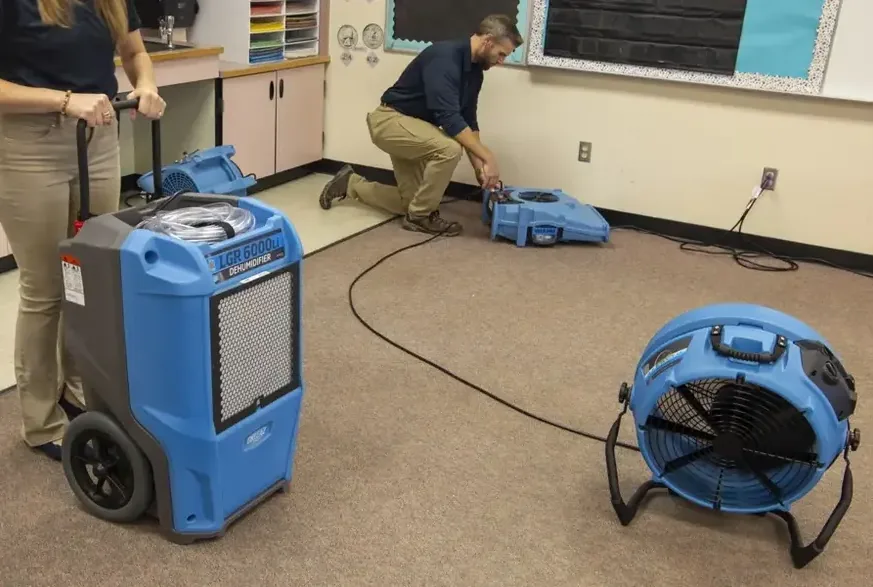
Dry the suitable materials that remain
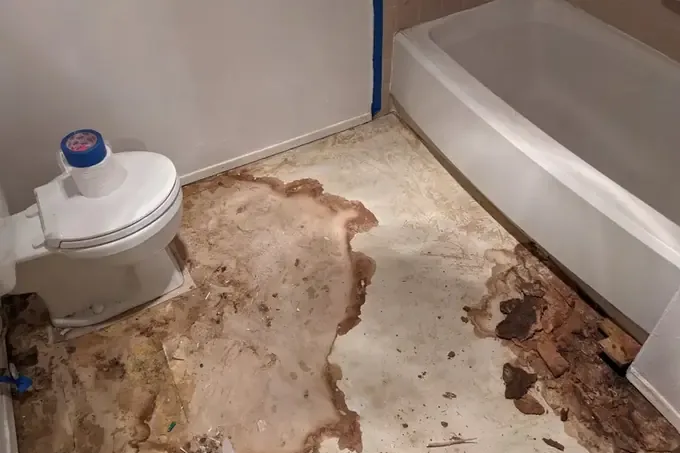
After appropriate removal and cleaning, retained framing and backing receive moisture checks. A controlled drying plan supports repair preparation without skipping the contamination work. An isolated fixture release is discussed separately under toilet overflow cleanup, including bathroom thresholds and concealed backing.
Coverage
Sewage backup cleanup in Stanley
Stanley wastewater cleanup includes residential rooms and business interiors around Main Street. Locations near Harper Park can describe the affected drains and safe entry route when requesting assessment, with contaminated spaces kept apart from occupied areas during planning.
The same service nearby: sewage backup cleanup in Cornelius, Westport, Sherrills Ford.
Related services
Related water damage services in Stanley
Questions
Sewage Backup Cleanup questions in Stanley
(888) 578-4720Discuss the Stanley contaminated area01Why should occupants stay outside the affected room?
Wastewater contact can contaminate footwear, belongings and nearby surfaces. Restricting access keeps the exposure area from expanding while the source, material conditions and appropriate cleanup procedures are assessed for the building.
02Does grease contribute to backups locally?
The town wastewater report warns that grease blockages can push wastewater into homes. It advises households against pouring grease or oil into drains or garbage disposals, reducing a preventable source of drain obstruction.
03Can cleaning the top of a carpet restore it?
Wastewater can reach carpet backing and materials beneath it. The exposed porous assembly needs a contamination assessment and removal decision rather than relying on surface cleaning to address concealed contact below the visible fibers.
04Who operates the municipal wastewater collection system?
The Town of Stanley Public Works Department operates and maintains collection. A building backup also needs an appropriate drainage investigation, while restoration work addresses contaminated materials and retained moisture inside the affected property.
05Why are fans held until cleanup decisions are made?
Airflow across untreated contaminated surfaces can spread residues. Removal and cleaning should precede controlled drying so equipment works on suitable retained materials within an established area separated from clean occupied rooms.
06What should be included in the final work record?
The record should describe exposure, removed materials, cleaning and drying findings. It should also identify remaining drain repairs or reconstruction so the property owner can distinguish completed cleanup from work still needed for normal use.
24/7 water damage response
Arrange assessment of exposed rooms
Describe rising drains, affected finishes and safe access so the cleanup plan can address the actual wastewater footprint.