When a thaw reveals damage
Frozen Pipe Water Damage in Stanley
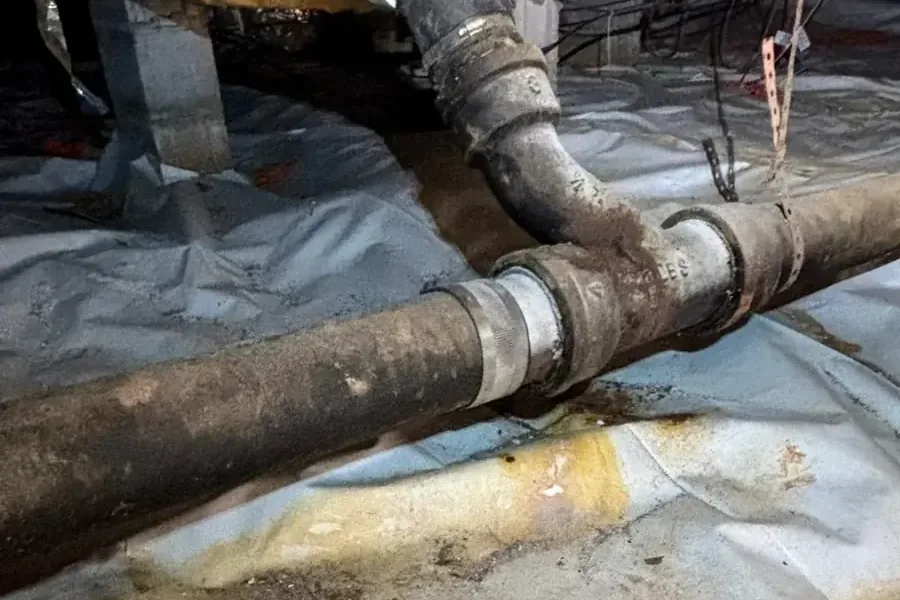
A pipe can begin leaking as restricted flow returns. The first drip after a suspected freeze calls for source inspection and a careful check of the surrounding enclosure, especially where water can travel out of sight.
(888) 578-4720Assess Stanley thaw related water damage- Thaw release inspection
- Concealed moisture mapping
- Affected enclosure drying
First steps
First steps for frozen pipe water damage
- Keep heating methods safeA suspected frozen section should receive appropriate plumbing attention. Occupants should avoid flames or improvised heat near pipes and should not enter wet spaces containing electrical hazards to reach them.
- Watch from an accessible positionObserve changes in water flow and visible leakage without disturbing the enclosure. A description of the first drip and subsequent pooling helps locate the release path during inspection.
- Limit further supply escapeUse a shutoff only when it can be reached safely. The plumbing assessment should establish the failure location and repair needs before the affected section returns to normal operation.
- Preserve access for damage checksAfter repair, the surrounding wall or underfloor area still needs assessment. Avoid covering damp insulation, staining or opened cavities until retained moisture and material condition have been properly evaluated.
Planning costs
What does frozen pipe water damage cost in Stanley, NC?
Frozen pipe cleanup costs in Stanley reflect the water released during thawing and the enclosure it reached. Access restrictions, wet insulation and spread into adjoining areas determine the removal and drying work described in the estimate.
Limited thaw discharge
$1,300 to $2,500- Water released into an accessible area
- Short moisture path near the connection
- Minimal opening needed for material inspection
Enclosed cavity loss
$2,500 to $4,500- Retained moisture within surrounding wall layers
- Saturated insulation requiring a handling decision
- Directed drying after cavity access work
Several areas affected
$4,500 to $6,500+- Thaw discharge traveled across connected assemblies
- Separate wet spaces requiring equipment placement
- Broader documentation of material removal needs
Estimate only. The water damage cost calculator shows how wet area, contamination and material choices affect the planning range.
Measured work
The frozen pipe water damage process
Connect symptoms to the source
Inspection considers reduced flow, thawing and leakage. The pipe repair and damage assessment share location information while addressing their separate parts of the loss.
Inspect the surrounding enclosure
Moisture checks extend along the pipe route and below it. Access decisions target insulation, backing or framing that absorbed water during leakage.
Remove obstructive wet materials
Damaged layers receive an individual decision. Removing unsuitable insulation exposes the retained assembly so drying air reaches surfaces previously enclosed behind the plumbing access.
Verify retained materials
Equipment adjustments respond to measured progress. Final observations record accessible material conditions and any further opening or repairs needed before the enclosure is finished.
Reduced flow followed by a leak is a reason to inspect the pipe before normal use resumes. For a Stanley property, the restoration assessment begins with what happened at that fixture or enclosure: where flow changed, where water emerged and which surfaces became wet during the release.
A thaw can reveal more than one wet spot
Water can follow the outside of a pipe before dropping onto a different surface. Inspection should therefore include the route between the damaged component and the visible puddle. At a property near Harper Park, access to the actual plumbing enclosure matters more than the size of the stain alone.
- Record where the first drip appeared while keeping clear of unsafe wet enclosures.
- Ask the repair professional to inspect the affected section before restoring normal pressure.
- Check insulation surrounding a damaged connection for retained moisture after the leak stops.
- Include floor junctions when water has drained down from an enclosed plumbing space.
Thawing and drying need different equipment decisions
Open flames and improvised heating can damage materials or create hazards. A plumbing professional can assess the pipe while restoration planning addresses the release. Wet building layers may require access independent of the opening used for repair, particularly where insulation blocks airflow from reaching damp framing behind it.
Downtown businesses cluster on Main Street, and Brevard Station Museum is also downtown. Whether the affected location is a business or a home, the useful account is specific: when reduced flow was noticed, whether a shutoff was used and what changed as flow returned. Those observations help connect the repair inspection with the areas needing moisture checks and cleanup.
Confirm progress inside the enclosure
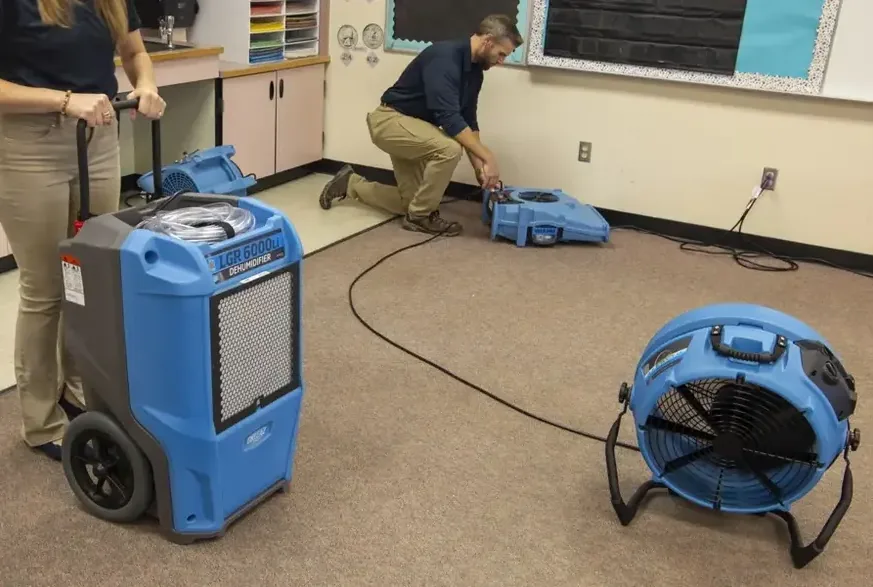
The absence of further drips means little about water already held in insulation or floor backing. Repeat readings track the materials that remain. A structural drying assessment can establish equipment placement and identify access needed before the plumbing enclosure receives replacement finishes.
Coverage
Frozen pipe water damage in Stanley
Stanley properties around Main Street or Harper Park can be described by location and plumbing access when arranging cleanup. Mention whether the pipe remains active, whether repairs have occurred and which enclosure or room contains the released water.
The same service nearby: frozen pipe water damage in Cornelius, Westport, Sherrills Ford.
Related services
Related water damage services in Stanley
Questions
Frozen Pipe Water Damage questions in Stanley
(888) 578-4720Discuss the water released during thawing01Can a leak appear only after flow returns?
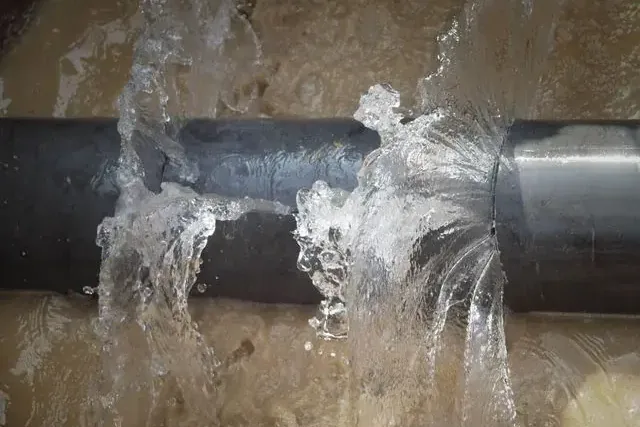
A damaged frozen pipe may release water as thawing permits flow again. The connection and surrounding enclosure need inspection even when the first sign is only a small drip.
02Is it safe to heat the pipe with a flame?
Open flames should not be used to thaw household plumbing. A suitable professional should assess the frozen section and nearby materials, particularly when access is confined or leakage has reached electrical components.
03What information helps distinguish the damage path?
The first change in flow, the location of the initial drip and the surfaces that became wet afterward help the assessment follow water from its release point into the building.
04Does every wet cavity need complete removal?
Material condition, contamination and drying access determine the scope. Some assemblies can remain with effective access, while damaged finishes or saturated insulation may require selective removal to reach retained moisture.
05Why examine beneath the plumbing repair opening?
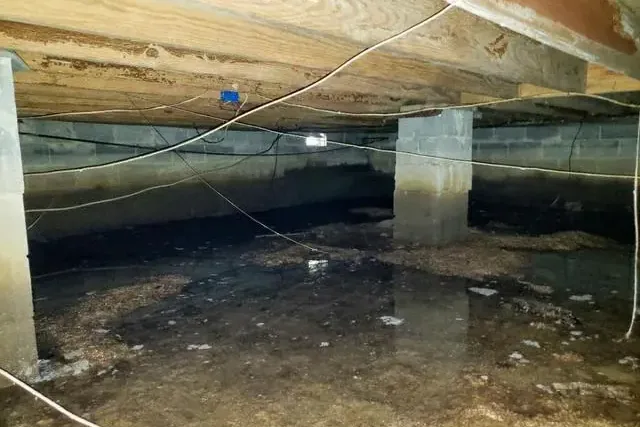
Gravity carries escaped water downward, sometimes along the outside of a pipe. Flooring or lower wall materials can remain wet even where the repaired connection and nearby upper surfaces now appear dry.
06When should normal finishes be replaced?
The source repair should be complete and affected materials should meet the drying assessment goals first. The repair opening is an opportunity to inspect the enclosure before new finishes hide it again.
24/7 water damage response
Arrange inspection around the repaired pipe
Describe changes in flow, the first visible leak and any opened wall or floor areas when requesting restoration help for the property.