Water escaping around the tank
Water Heater Leak Cleanup in Stanley
A puddle beside the water heater can continue beneath a nearby partition. Cleanup follows that route after safe attention to the tank and its energy connections, checking storage, flooring and wall materials around the equipment space.
(888) 578-4720Assess Stanley tank release cleanup- Tank area inspection
- Adjoining room moisture checks
- Equipment space drying
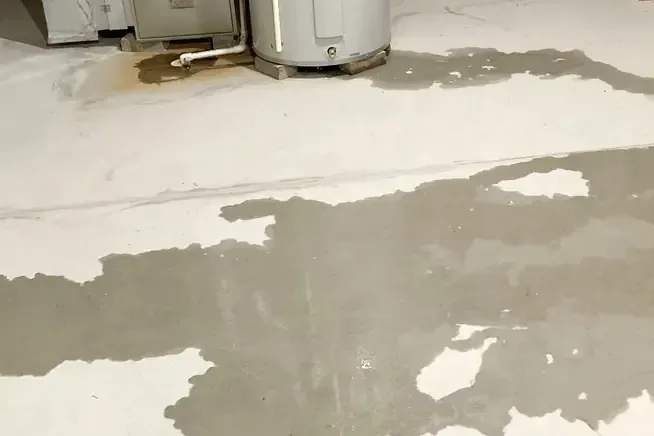
First steps
First steps for water heater leak cleanup
- Keep away from unsafe equipmentPeople should avoid contact with hot water, wet electrical components or suspect gas equipment. The appropriate professional should establish safe conditions before anyone works around the tank and its connections.
- Describe the water around storageNote whether boxes, shelving bases or nearby room thresholds are wet. An account of these surfaces helps the assessment follow the release beyond the equipment footprint and into adjoining materials.
- Coordinate tank access and inspectionIf the tank must be removed, arrange for surrounding floor and wall materials to be evaluated while accessible. Replacement should account for the space needed to inspect and dry concealed damage.
- Preserve records of both tasksKeep tank repair information alongside cleanup photographs and moisture records. Separating the equipment work from removal and drying makes the recovery sequence and any remaining finish repairs easier to understand.
Planning costs
What does water heater leak cleanup cost in Stanley, NC?
Water heater cleanup in Stanley is shaped by how far the release traveled and what it soaked. Tank replacement and connection repairs should be separated from the estimate for extraction, material removal and drying around the equipment.
Water near the tank
$900 to $1,800- Pooled water within the equipment area
- Accessible floor surfaces around the base
- Localized moisture checks beside nearby storage
Leak reached an adjoining room
$1,800 to $3,200- Water passed beneath a shared partition
- Additional finish layers need moisture assessment
- Drying access extends outside tank surroundings
Concealed or prolonged spread
$3,200 to $4,500+- Wet backing hidden behind fixed equipment
- Stored materials obstruct the moisture path
- Broader removal around damp building layers
Estimate only. The water damage cost calculator shows how wet area, contamination and material choices affect the planning range.
Measured work
The water heater leak cleanup process
Assess tank conditions
Inspection establishes source repair status and safe equipment access. Water temperature and energy connections influence working arrangements around the tank and its released water.
Trace the floor path
Moisture checks follow the tank discharge toward storage and partitions. Surfaces hidden by boxes receive inspection for water absorbed before the leak was discovered.
Reach wet layers
Contents handling and selective removal expose materials. The sequence coordinates with tank work so walls and floors remain reachable during cleanup and moisture removal.
Check before restocking
Drying results are assessed before stored belongings obstruct the perimeter again. Records identify remaining finish repairs separately from completed tank work and surrounding material drying.
A replacement tank can occupy the same spot while the wall behind it remains damp. In Stanley, restoration after a water heater release should be coordinated with equipment access so the surrounding building receives inspection before it becomes difficult to reach again. The tank and room need separate assessments.
Look beneath storage and beside partitions
Boxes and shelving can hide the original water path. A narrow gap beneath a partition may allow liquid into an adjoining room without an obvious surface connection. Moisture checks follow those edges, including absorbent contents resting directly on the floor and backing behind nearby finished wall surfaces.
- Report hot water, steam or unusual equipment conditions without approaching unsafe tank connections.
- Check stored items at floor level for water absorbed through the bottom packaging.
- Inspect adjoining flooring where the equipment area shares a wall with another room.
- Keep repair access available long enough to evaluate materials behind the removed tank.
The source deserves appropriate trade attention
Gas, electricity and hot water create hazards beyond the puddle. Equipment isolation and repair should be handled safely by the appropriate professional. Restoration planning then identifies water already released, which materials absorbed it and whether the tank location restricts access needed for cleaning and moisture removal.
Harper Park and Brevard Station Museum offer recognizable Stanley location references, while businesses center on Main Street downtown. When discussing a water heater loss, add whether the tank sits beside storage, a finished wall or an adjoining occupied room. Those details help explain why the damage assessment may extend beyond the small area visible directly around the tank's base.
Plan equipment replacement around the wet space
Drying access can become harder once a new tank or stored contents cover the perimeter again. The work sequence should allow affected materials to be checked and treated before access closes. Appliance leak damage cleanup addresses similar hidden floor and cabinet issues when another device caused the release.
Coverage
Water heater leak cleanup in Stanley
Stanley tank leak assessments include homes and business equipment areas near Main Street, Harper Park and downtown. Describe the tank location, safe entry conditions and any water reaching storage or adjoining rooms when requesting cleanup assistance.
The same service nearby: water heater leak cleanup in Cornelius, Westport, Sherrills Ford.
Related services
Related water damage services in Stanley
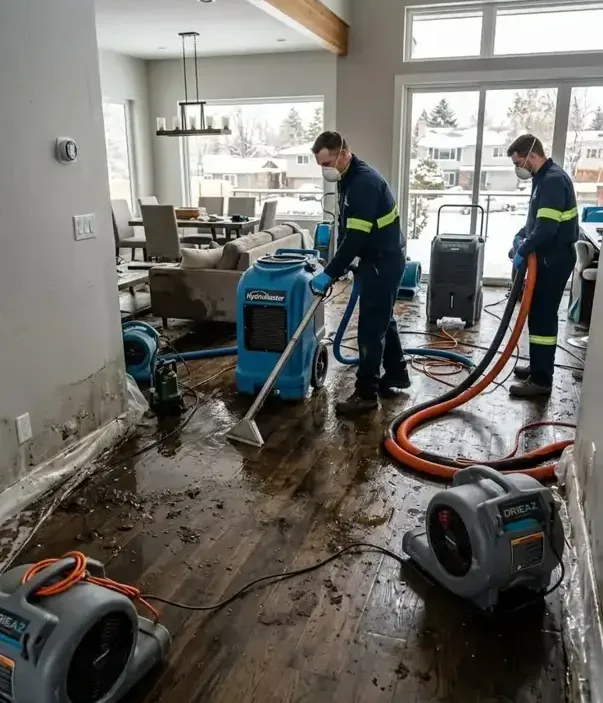
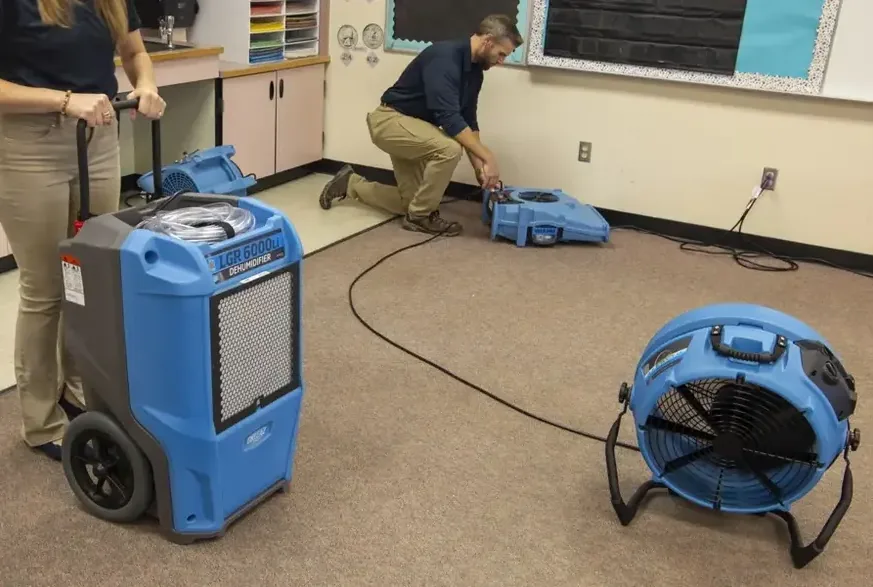
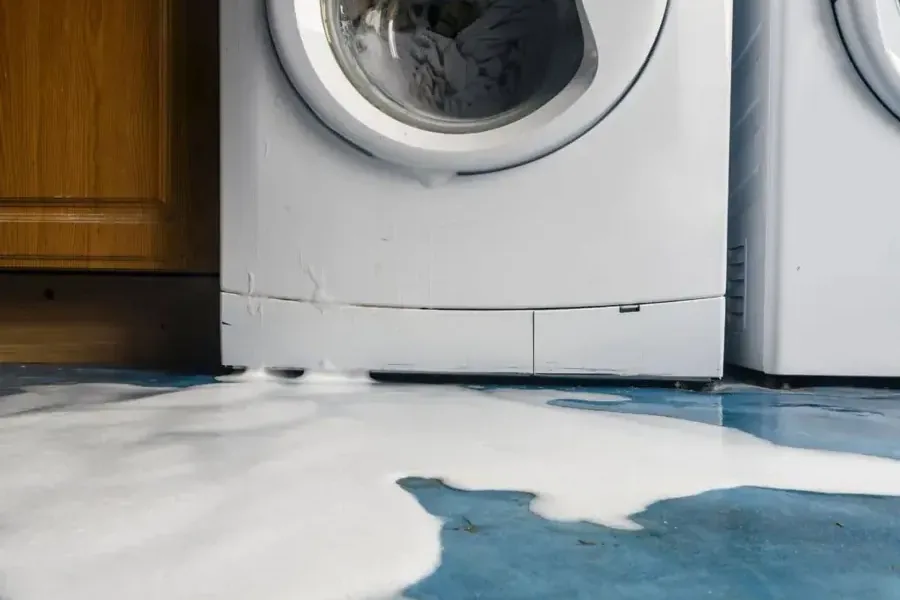
Questions
Water Heater Leak Cleanup questions in Stanley
(888) 578-4720Discuss the Stanley equipment space loss01Does installing a new tank resolve the wet room?
Replacement handles the equipment failure. The old release may still be held in wall bases, floor backing or stored contents, which need their own condition assessment and drying or removal decisions.
02Should occupants touch wet tank controls?
Wet electrical components, hot water and gas equipment require appropriate safety attention. Occupants should keep clear of unsafe connections and let the suitable trade professional establish access before cleanup around the tank begins.
03Why inspect the room on the other side of the wall?
Water can pass beneath a shared partition and reach flooring beyond the equipment area. Measurements on both sides help identify that concealed path before the visible tank puddle becomes the only cleanup focus.
04Can wet cardboard remain stacked while the floor dries?
Damp packaging can retain water and obstruct access to the floor. Contents should receive a handling decision so drying equipment reaches the affected surfaces and wet items do not remain against wall finishes.
05What if the tank blocks the damp wall?
Access planning should coordinate equipment work with restoration. If removal or replacement is needed, that opening can allow inspection and treatment of building materials that were previously concealed behind the tank.
06Which costs should be listed separately?
The estimate should distinguish tank repair or replacement from released water removal, damaged material handling and drying. Finish reconstruction can then be considered after the affected surrounding area has been properly evaluated.
24/7 water damage response
Arrange a surrounding material assessment
Explain whether the tank has been isolated, what storage is wet and which adjoining rooms show moisture before planning the cleanup visit.