Pineville concealed floor moisture
Slab Leak Water Damage in Pineville
Moisture rising through a finished floor needs a source investigation before replacement materials cover it. Restoration addresses the wet surface assembly while plumbing specialists locate and repair any supply leak beneath or within the slab.
(888) 578-4720Discuss moisture beneath the finished floor- Floor layer assessment
- Plumbing repair coordination
- Drying before replacement
First steps
First steps for slab leak water damage
- Describe the floor changesThe initial report should identify damp seams, lifting finishes or wet trim and explain when they appeared. Those details help locate inspection points and trace moisture toward the concealed source.
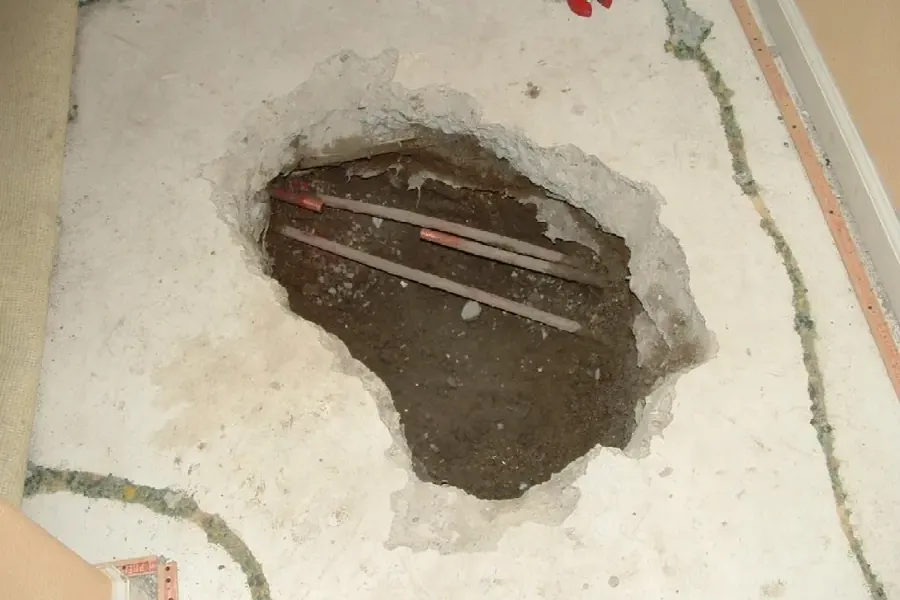
- Align plumbing and material accessLeak location and repair openings are coordinated with restoration needs. The surrounding finish and backing are examined so wet layers do not remain concealed beside the repaired section of pipe.
- Separate damaged and recoverable layersMaterial condition determines whether finishes can remain during drying. Loose, deteriorated or inaccessible wet layers may need removal while the exposed substrate and nearby wall bases receive targeted moisture checks.
- Document the floor's repair conditionMeasurements continue through the affected assembly before replacement proceeds. The closing record identifies retained surfaces, removed layers and any remaining requirements for the selected floor covering and its installation method.
Planning costs
What does slab leak water damage cost in Pineville, NC?
Slab leak cleanup in Pineville reflects the size of the affected finish area, concealed spread and access needed beneath flooring. Plumbing location and repair may be separate charges from extraction, material removal and drying of the room.
Small exposed wet area
$1,500 to $3,000- Localized damage at accessible surfaces
- Mapping the surrounding moisture pattern
- Drying suitable exposed building materials
Floor layers affected
$3,000 to $5,000- Moisture beneath layered floor finishes
- Backing and adhesive removal decisions
- Access across the affected assembly
Broad concealed spread
$5,000 to $7,000+- Leakage beneath connected finished areas
- Wider substrate exposure and monitoring
- Coordination around plumbing repair openings
Estimate only. The water damage cost calculator shows how wet area, contamination and material choices affect the planning range.
Measured work
The slab leak water damage process
Symptom mapping
Inspection records floor changes and compares moisture at transitions. This establishes where recovery should extend beyond the first damp area noticed by occupants.
Concealed source coordination
Qualified plumbing work identifies and repairs the leak. Restoration access follows the affected materials, with attention to wet layers remaining around any opening made for the pipe repair.
Substrate drying
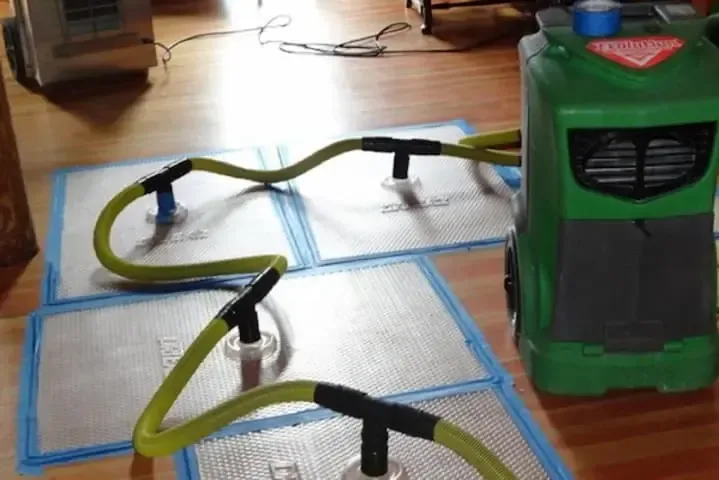
Exposed assemblies receive appropriate moisture control and repeated checks. Progress is assessed at the materials themselves so dry surface appearance does not determine the equipment removal decision.
Flooring handoff
The completion notes describe substrate condition and the layers removed. Replacement planning can then account for the chosen covering, necessary preparation and any outstanding work around the repaired opening.
A damp floor patch may be smaller than the moisture held beneath its covering. Adhesive, backing and adjacent wall bases can remain affected beyond the visible outline. The restoration scope starts with the actual assembly at the property and follows measurements into the layers that need attention.
Source location and room recovery are separate tasks
Main Street, Park Road and Sam Meeks Road are among the state maintained roads named by Pineville. At a property along these corridors, a concealed leak investigation should identify the plumbing fault before the floor is rebuilt. Cleanup then addresses the materials reached by the escaped water.
- Record loose finishes, damp seams and changes at the lower wall edge.
- Compare moisture across the affected floor rather than testing only the obvious patch.
- Coordinate access openings with the plumbing repair to avoid covering wet adjoining layers.
- Assess underlayment and adhesive condition before deciding which flooring can remain in place.
Check the layers beneath the visible finish
Concrete, floor covering and wall trim do not dry at the same pace. A surface that looks unchanged may conceal wet backing. Inspection should identify which layers allow drying access, which have lost integrity and which need removal to expose the substrate for further assessment and repair preparation.
Breaking concrete or drilling into an unknown floor can damage concealed services and create injury risks. The leak location and repair access belong with qualified specialists. Occupants should keep away from loose flooring, open excavations and wet electrical connections. Photographs from a safe position can preserve the initial damage without disturbing the floor or attempting to uncover the pipe independently.
Measure readiness for the replacement finish
The end of plumbing work is followed by a separate flooring decision. Retained substrate needs moisture conditions suitable for the planned covering and installation system. Drying records should explain progress and any remaining restrictions. Where moisture has moved into boards, hardwood floor assessment can become part of the recovery scope.
Coverage
Slab leak water damage in Pineville
Pineville floor moisture assessments begin with the affected room and the actual substrate beneath its finishes. The report should describe visible changes, any completed plumbing investigation and access restrictions around the wet area or repair opening.
The same service nearby: slab leak water damage in Cornelius, Mint Hill, Stanley.
Related services
Related water damage services in Pineville
Questions
Slab Leak Water Damage questions in Pineville
(888) 578-4720Explain the changing floor surface01Does every damp floor indicate a slab leak?
Several sources can wet a floor, including nearby appliances and surface entry. Source investigation should establish the cause before concrete access or replacement flooring becomes part of the proposed repair scope.
02Can a small stain conceal a larger wet area?
Moisture can travel beneath a covering without immediately changing its surface appearance. Measurements across transitions and nearby wall bases help define the extent beyond the first visible mark or loose seam.
03Is concrete dry when its color returns to normal?
Surface color alone is insufficient for a flooring decision. Appropriate substrate testing and the installation requirements of the selected covering help determine whether replacement can proceed after the leak has been repaired.
04Will the plumber's access opening handle all drying needs?
That opening may reach the pipe while leaving wet floor layers elsewhere untouched. Restoration inspection considers the complete spread and determines whether additional finish removal or access is necessary for the assembly.
05Should lifted flooring be pressed back into position?
Forcing a damaged finish flat can conceal moisture or further damage its attachment. The floor should be assessed for material condition and retained water before repairs attempt to restore its original appearance.
06What belongs in an estimate for concealed floor leakage?
The scope should distinguish source investigation, pipe repair, affected finish removal and drying. It should also identify the remaining floor preparation and replacement work so the full recovery sequence is understandable.
24/7 water damage response
Set the floor recovery sequence
Describe the wet area and any plumbing findings so material access and drying can be planned before replacement begins.