Pineville overhead water damage
Ceiling Leak Water Damage in Pineville
A stain overhead can be the end of a longer water route. The assessment starts with panel stability, then follows moisture above the ceiling and into adjoining walls before choosing what can dry and what needs removal.
(888) 578-4720Discuss the stain above the room- Ceiling stability check
- Above panel inspection
- Insulation and framing assessment
First steps
First steps for ceiling leak water damage
- Describe overhead changes from safetyNote dripping, swelling and electrical fixtures near the wet section. Photographs from outside the affected area can document ceiling changes without entry beneath unstable material.
- Arrange access to the sourceThe space above the stain is inspected with the appropriate property contact or repair trade. In shared buildings, entry arrangements should account for both the wet room and the source area.
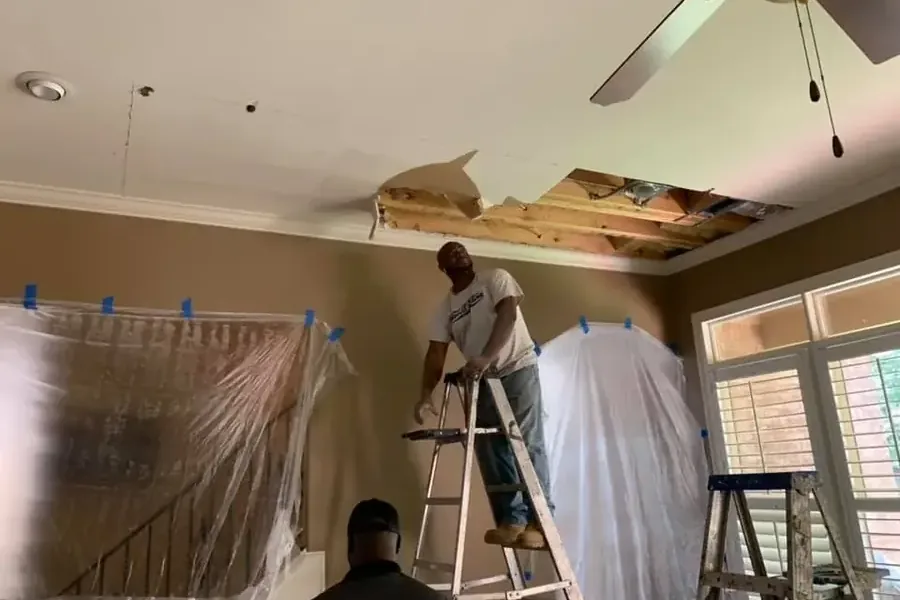
- Expose and assess wet layersControlled removal gives access to damaged panels, insulation and framing where needed. The opening follows moisture findings and stability concerns rather than the painted outline alone on the ceiling surface.
- Dry before restoring the finishRetained overhead materials receive monitored drying, with checks at nearby walls when water traveled there. The repair handoff identifies remaining insulation, panel and decoration work after the assembly reaches suitable conditions.
Planning costs
What does ceiling leak water damage cost in Pineville, NC?
Ceiling leak cleanup in Pineville depends on panel stability, access above the room and the amount of wet insulation or framing. A small stain can involve additional work when water spreads across an enclosed overhead assembly.
Small accessible ceiling area
$900 to $1,800- Localized damage with accessible source
- Checks around the ceiling mark
- Limited opening for targeted drying
Wet insulation and panels
$1,800 to $3,500- Absorbent layers above the room
- Removal around weakened wet finishes
- Access to retained overhead framing
Spread across connected rooms
$3,500 to $5,000+- Moisture crossing adjacent ceiling bays
- Wider access and material handling
- Measurements through connected room assemblies
Estimate only. The water damage cost calculator shows how wet area, contamination and material choices affect the planning range.
Measured work
The ceiling leak water damage process
Overhead condition assessment
The inspection begins with safety and the visible ceiling symptoms. Source location, room layout and access above the panel help establish the practical boundaries for further investigation.
Material opening decisions
Damaged or inaccessible wet layers are identified before controlled opening proceeds. Panel strength and insulation condition determine what needs removal and what can remain during the drying stage.
Cavity moisture control
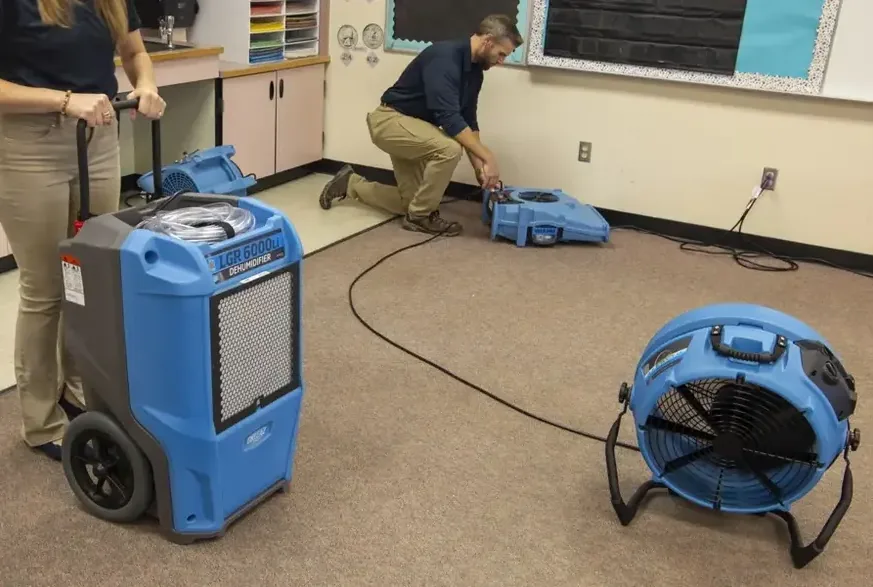
Airflow and dehumidification address exposed, retained components while readings track progress in the overhead assembly. Nearby wall sections are included where the water path extends beyond the ceiling.
Finish repair preparation
The final record separates the repaired source from the dried structure and remaining finish work. Insulation replacement, ceiling closure and decoration follow the condition of the actual assembly.
Brown rings and peeling paint can draw attention to a ceiling long after water first entered the space above it. The first task is to determine whether the panel remains stable. Cleanup planning then follows the moisture route instead of limiting the work to the visible stain.
Coordinate access above and below
The town lists the Livano Pineville Apartment Project at Main and Church as an approved design project. In a shared building, an overhead loss can require coordination between the affected room and the space above. A property manager or responsible contact can arrange access for source inspection and cleanup.
- Active dripping, sagging panels and nearby electrical fittings change entry precautions.
- Wet insulation can hold moisture against framing after the ceiling face begins drying.
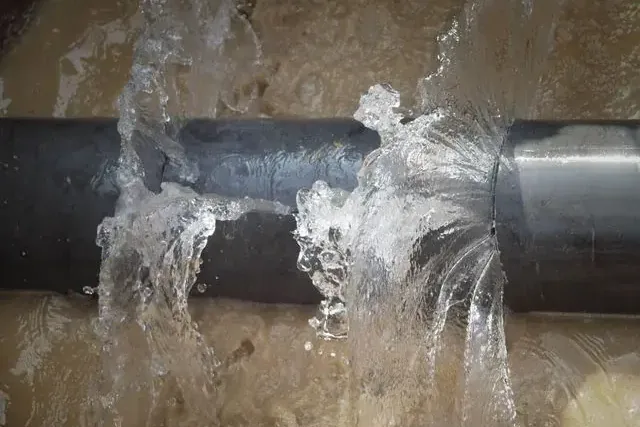
- Water may travel along a framing member before reaching the visible ceiling stain.
- Adjoining wall tops and room corners deserve checks when the overhead route crosses them.
Open only with a clear material purpose
Main Street and Park Road are state maintained corridors identified by Pineville. For an affected property, the useful inspection detail is the room arrangement and access above the stain. Panel openings should expose wet layers safely and support drying without leaving unstable material around the work area.
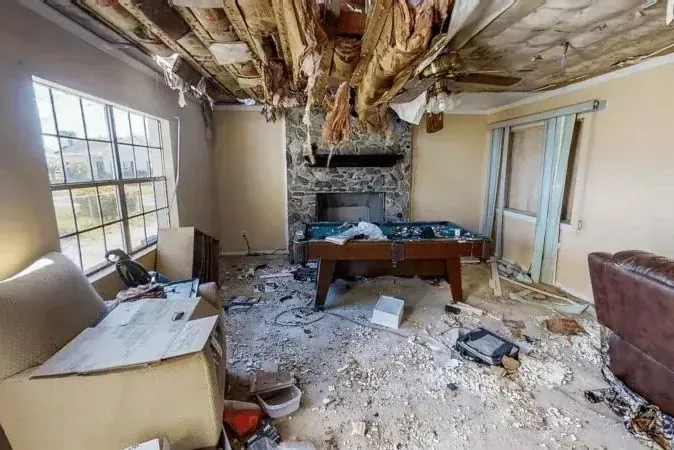
A ceiling carrying water can fail without a safe opportunity to move away. Occupants should avoid standing beneath a bulge or poking a hole to release it. Water near a light fitting adds an electrical hazard. Qualified personnel should establish safe access and evaluate the affected section before opening finishes or positioning equipment in the room below.
Repair the assembly before repainting
Paint can conceal a mark while wet backing or insulation remains overhead. The repair sequence needs source control, appropriate removal and drying of retained components. When moisture continues down a partition, structural drying should include that connected area so the completed ceiling does not hide an unfinished moisture problem.
Coverage
Ceiling leak water damage in Pineville
Pineville ceiling assessments consider the wet room, the space above it and any shared access needed for inspection. Details about active dripping, panel movement and nearby lights help establish the safest starting point for the visit.
The same service nearby: ceiling leak water damage in Cornelius, Mint Hill, Stanley.
Related services
Related water damage services in Pineville
Questions
Ceiling Leak Water Damage questions in Pineville
(888) 578-4720Describe the overhead changes01Can a ceiling stain come from somewhere beyond the spot above it?
Water can follow framing or other surfaces before dripping onto a panel. The inspection should trace that route rather than assuming the source sits directly over the center of the mark.
02Should a bulging ceiling be drained with a small hole?
Occupants should remain away from a swollen panel because its strength is uncertain and water may reach electrical fittings. Qualified assessment is needed before any opening or controlled removal proceeds beneath it.
03Does every stained panel need to come down?
The answer depends on strength, contamination, backing condition and drying access. Some finishes may remain, while saturated or weakened sections require removal to expose and treat the materials above the room.
04Who arranges entry to an upstairs unit?
The building's responsible contact should coordinate lawful access with occupants and repair personnel. Cleanup below and source inspection above need a shared plan so a continuing leak does not repeat the damage.
05Can decoration start as soon as dripping stops?
Stopping the drip addresses active flow but leaves the condition of insulation and framing unresolved. Measurements and material assessment should establish repair readiness before new panels, primer or paint cover the area.
06Why test the upper parts of nearby walls?
An overhead leak can cross a ceiling bay and descend along a partition. Testing that connection helps identify wet wall backing that may need attention even when the lower part looks unchanged.
24/7 water damage response
Plan the ceiling's recovery work
Mention the stain location, current dripping and any space above so the assessment can account for connected wet materials.