Pineville retained material drying
Structural Drying in Pineville
An empty puddle does not mean an empty wall cavity. Structural drying uses material readings and controlled room conditions to remove retained moisture from the building, with equipment adjustments based on how each accessible assembly responds over time.
(888) 578-4720Discuss moisture remaining in the structure- Material readings
- Managed humidity
- Documented drying decisions
First steps
First steps for structural drying
- Establish the retained material mapAfter source control and cleanup, the inspection identifies what can remain. Starting readings and comparison areas give the drying plan a measurable purpose for the affected building components.
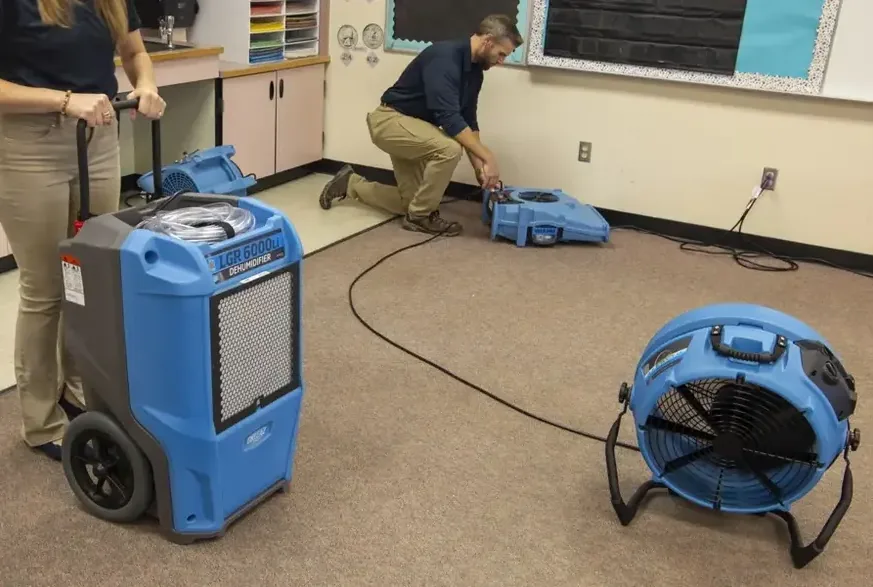
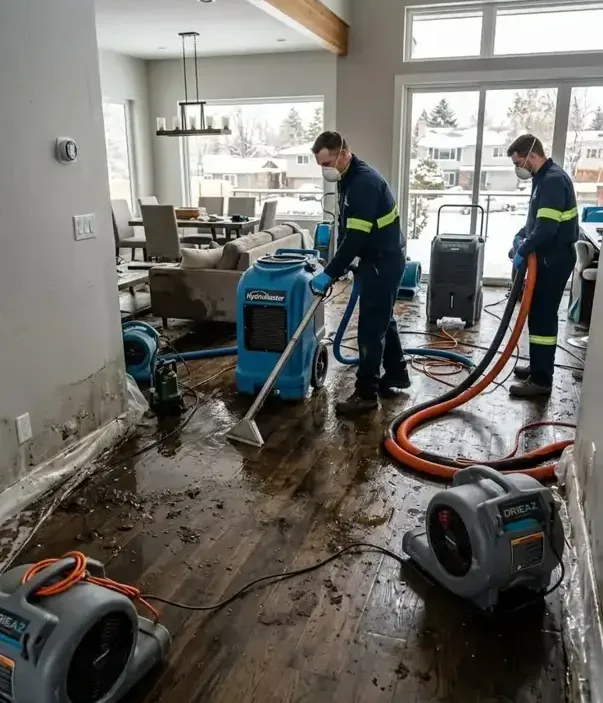
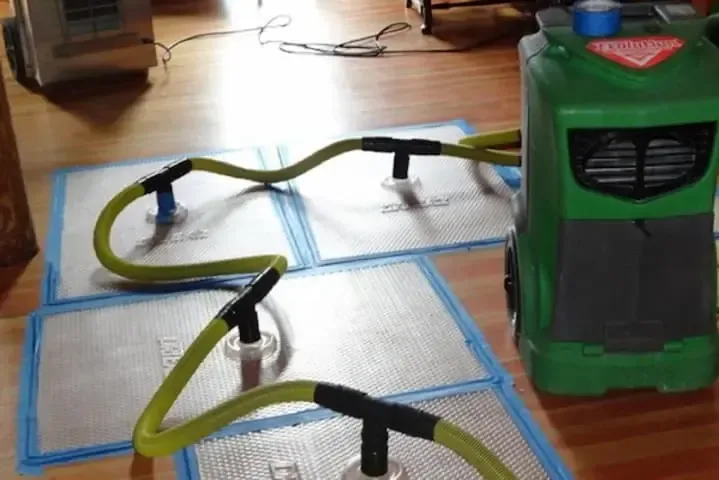
- Arrange an effective drying environmentEquipment placement considers material access, room configuration and safe power. The setup encourages evaporation and controls surrounding air, with each machine serving a defined portion of the wet assembly.
- Track the response and adjustRepeated observations show improving areas and limited progress. Access openings or equipment placement can then change according to the behavior of retained components and their ability to release remaining moisture.
- Record suitability for subsequent repairsFinal conditions are connected with the planned repair. Notes identify equipment removal, exposed areas and finish replacement that can proceed once the retained assembly reaches suitable conditions for closure.
Planning costs
What does structural drying cost in Pineville, NC?
Structural drying in Pineville depends on the retained materials, available access and size of the affected assembly. Enclosed or dense components can require more equipment time and observation than open surfaces, with the actual scope established through assessment and repeated measurements.
Small accessible assembly
$1,000 to $2,000- Limited materials with straightforward access
- Focused airflow and humidity control
- Starting and subsequent moisture observations
Several connected rooms
$2,000 to $4,000- Wet assemblies across linked spaces
- Equipment reaching different material surfaces
- Coordinated readings throughout affected rooms
Dense or concealed materials
$4,000 to $6,000+- Restricted release within enclosed components
- Additional access and targeted equipment
- Extended monitoring before finish repair
Estimate only. The water damage cost calculator shows how wet area, contamination and material choices affect the planning range.
Measured work
The structural drying process
Drying baseline
The starting record maps moisture and suitable comparison conditions. Source control and cleaning establish a stable work area where equipment can address water retained within recoverable components.
Environment setup
Selection follows assembly access and room arrangement. Air circulation and moisture removal are balanced to support evaporation from the specific components remaining after necessary material removal work.
Response based adjustment
Readings connect equipment operation with material condition. Slow areas receive attention to access and placement so the plan can change when a component needs another drying approach.
Repair readiness documentation
Final observations describe recovered materials and outstanding repairs. They explain the equipment endpoint and help the next trade avoid closing areas that still need further moisture recovery.
A room may feel comfortable while its wall backing or floor assembly remains damp. Structural drying focuses on those retained components rather than the sensation of room air. Starting readings, access conditions and appropriate comparison points establish what the equipment needs to accomplish and how progress will be assessed.
Different buildings need different drying access
The approved design project for the Livano Pineville Apartment Project sits at Main and Church. Huntley Glen and Carolina Crossing are also named residential settings in the area. At an affected property, the actual wall, floor and ceiling construction determines where moisture can escape and which concealed spaces need access.
- Record starting moisture at the retained materials selected for the drying plan.
- Identify coatings or enclosed layers that restrict moisture release from the assembly.
- Keep equipment placement connected to the wet material map and safe electrical capacity.
- Reassess areas with limited improvement before proceeding to finish closure or replacement.
Air movement and humidity control work together
Air movers encourage evaporation from accessible surfaces. Dehumidification removes moisture from the surrounding air so the space can continue supporting that process. More equipment does not automatically mean better drying; placement, access and the material response need to fit together as a coherent plan for the affected building.
Equipment cords, hoses and airflow paths should remain in their planned positions unless the restoration team directs a change. Unplugging a unit or opening the area to uncontrolled humid air can alter the drying conditions. Occupants should report unusual equipment behavior or access concerns instead of rearranging the system. Contaminated surfaces require appropriate cleanup before air movement is introduced across them.
End with readings that support the repair
The drying endpoint belongs to the materials, not a fixed calendar promise. Measurements should show that retained components are suitable for the next repair stage. If a wet floor covering blocks access, floor damage assessment may identify removal or another drying approach before the building assembly can be closed again.
Coverage
Structural drying in Pineville
Structural drying assessments serve Pineville interiors where retained framing, backing or other building components remain wet after a loss. Information about completed extraction, open cavities and planned finish repairs helps establish which materials need measurements and controlled drying access.
The same service nearby: structural drying in Cornelius, Mint Hill, Stanley.
Related services
Related water damage services in Pineville
01Why can the air feel dry while the wall remains wet?
Room air and building materials respond at different rates. Moisture can remain inside backing or timber after the air becomes comfortable, so measurements at the affected components are necessary to judge progress accurately.
02Is equipment removed after a fixed number of days?
The endpoint depends on material response, access and conditions suitable for repair. A predetermined schedule cannot account for every assembly, so repeated observations determine whether the retained components still need drying attention.
03Should windows stay open while dehumidifiers run?
The intended drying environment depends on the setup and outside conditions. Occupants should follow the project arrangement instead of changing ventilation independently, because uncontrolled air can interfere with the moisture removal plan.
04Does more airflow solve every concealed wet area?
Air cannot effectively reach moisture sealed behind inaccessible layers. Limited progress may call for selective access or a different material decision rather than simply increasing the number of air movers in the room.
05Can drying begin before contaminated surfaces are cleaned?
Contamination needs appropriate removal and cleaning before air movement is introduced across affected surfaces. The sequence protects the work area and allows drying to focus on suitable retained components after cleanup is complete.
06What should the final drying record describe?
The record should connect starting conditions, progress readings and final observations with the materials retained. It should also identify remaining openings or replacement needs so finish repairs follow a clear understanding of the recovered assembly.
24/7 water damage response
Establish the building's drying endpoint
Explain what was removed and what remains damp so access, equipment and repair timing can follow the actual assembly.