Pineville contaminated drain discharge
Sewage Backup Cleanup in Pineville
A drain sending wastewater into a room changes how the entire area must be handled. Cleanup begins with restricted access and source coordination, followed by controlled removal, material assessment and cleaning before the retained structure receives drying.
(888) 578-4720Discuss wastewater reaching the interior- Restricted room access
- Contaminated material decisions
- Cleaning before drying
First steps
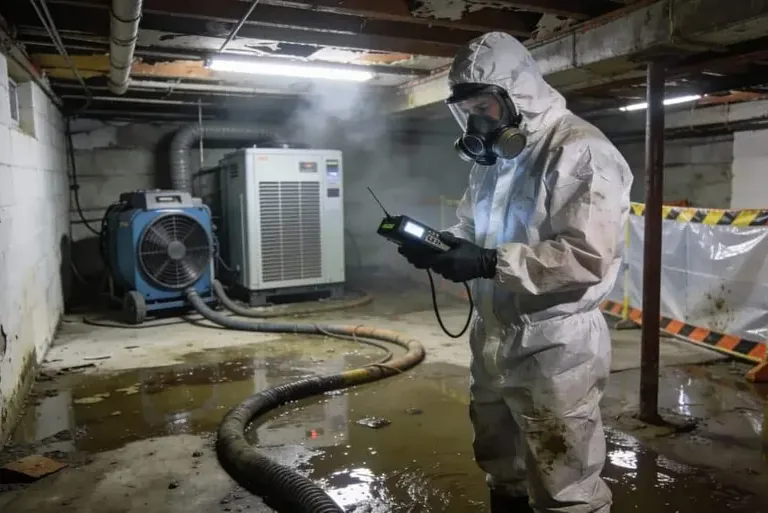
First steps for sewage backup cleanup
- Restrict entry and report the dischargeIdentify the drain, active flow and rooms reached. Household members remain away from wastewater while the repair contact and restoration personnel coordinate safe access and source assessment.
- Map contaminated material contactInspection follows wastewater across the floor and into absorbent edges, backing and connected rooms. A documented boundary helps organize extraction, belongings handling and the protection of unaffected surfaces around the cleanup area.
- Remove and clean in sequenceControlled extraction is followed by removal of unsuitable porous layers and appropriate cleaning of retained components. Debris handling should maintain the established boundary rather than tracking residues through the rest of the building.
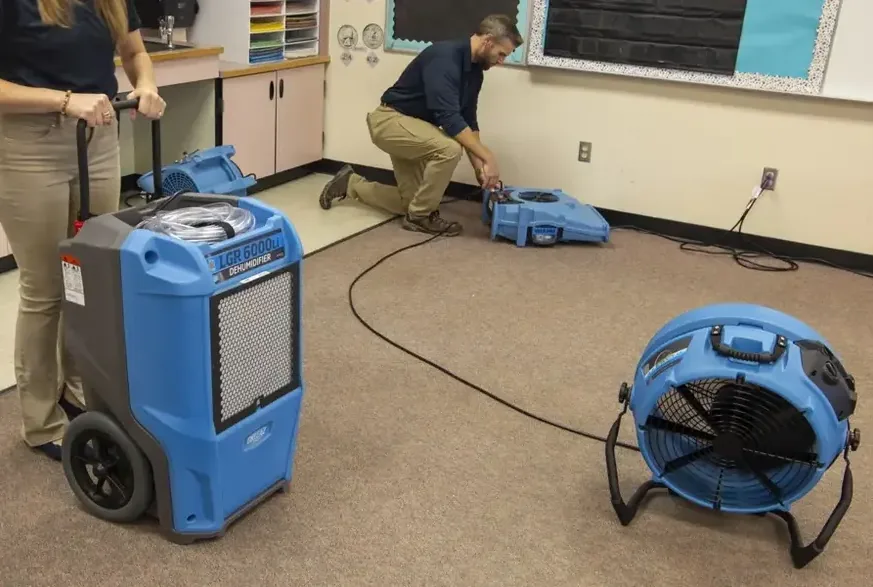
- Measure retained structure recoveryDrying follows cleaning. Moisture observations and the removal record establish which assemblies can proceed to repair and which finishes need replacement before ordinary use of the affected space.
Planning costs
What does sewage backup cleanup cost in Pineville, NC?
Sewage backup cleanup in Pineville varies with contaminated contact, absorbent materials and access. A contained room may need less work than wastewater spread beneath flooring or through several spaces requiring controlled removal, cleaning and subsequent drying.
Contained contaminated room
$2,000 to $3,500- Wastewater limited to an accessible room
- Controlled extraction and surface cleaning
- Evaluation of lower material edges
Multiple porous assemblies
$3,500 to $6,500- Contaminated backing and wall materials
- Removal of unsuitable absorbent layers
- Cleaning the exposed retained structure
Extensive backup spread
$6,500 to $10,000+- Wastewater reaching connected interior areas
- Complex debris and contents arrangements
- Broader cleaning before measured drying
Estimate only. The water damage cost calculator shows how wet area, contamination and material choices affect the planning range.
Measured work
The sewage backup cleanup process
Discharge and access assessment
Drain history and visible spread establish work boundaries. Electrical conditions, floor stability and clean passageways receive attention before contaminated water removal or material handling begins indoors.
Contact based material decisions
Each layer is evaluated for porosity and cleaning access. Unsuitable absorbent materials are removed so residues do not remain hidden within a superficially clean room assembly.
Retained surface cleaning
Cleaning follows extraction and necessary removals, including exposed edges and cavities. This prepares suitable components for drying instead of treating airflow as a substitute for cleanup.
Drying and repair records
Measurements document recovery of retained structure. Disposal decisions, cleaning details and replacement needs explain what remains before finishes and furnishings return to the affected indoor space.
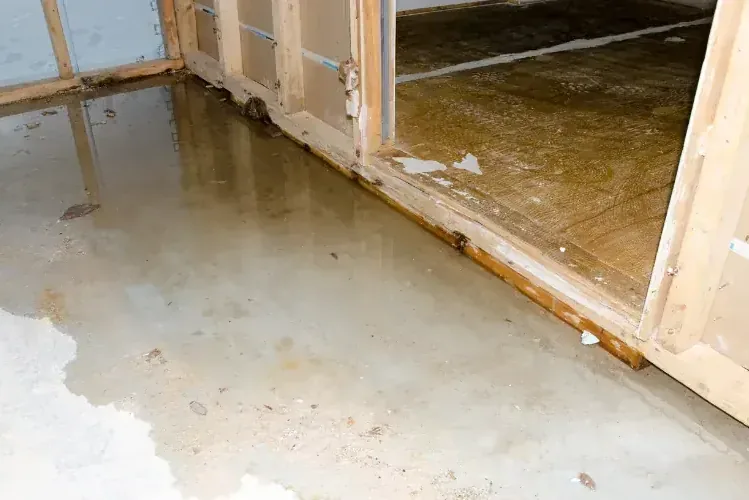
Wastewater backing through a drain can reach floor seams and lower walls while leaving its largest visible pool near the fixture. The room needs a controlled cleanup boundary that includes those less obvious contact areas. Ordinary household activity should remain outside that boundary until the affected space is appropriately addressed.
Coordinate the drain concern and indoor recovery
Pineville directs residents to Charlotte Water for water and sewer issues. The indoor cleanup also needs the actual discharge location, current drain behavior and building access details. Main Street, Carolina Place Parkway and Park Road are named local corridors that can help identify the affected property when arranging assessment.
- Describe the fixture or drain through which wastewater entered the room.
- Stop routine use of affected plumbing until the cause receives appropriate assessment.
- Identify carpet, backing and lower wall finishes that had direct wastewater contact.
- Maintain a clean route around the work area for unaffected occupants and belongings.
Material porosity determines the next decision
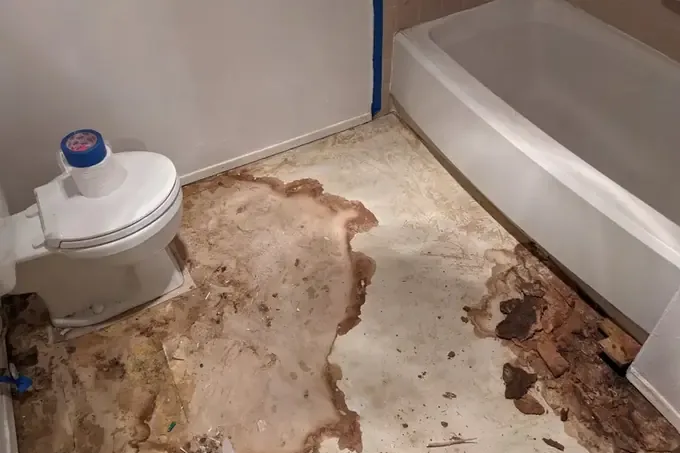
A hard surface may allow appropriate cleaning while absorbent backing beneath it remains unsuitable to retain. The inspection should account for these layers individually. Removing visible sewage without addressing contacted wallboard, carpet padding or concealed residues leaves part of the cleanup unfinished even when the room looks tidier from the doorway.
Occupants should avoid walking through wastewater or carrying contaminated items into clean rooms. Pets and children need separation from the space. Household fans can move contamination from surfaces before cleanup, so equipment placement belongs within the restoration plan. Electrical exposure and unsafe flooring add further reasons to keep entry controlled while qualified personnel assess the drain problem and interior conditions.
Dry what can be appropriately retained
After controlled removal and cleaning, suitable retained structure can receive measured drying. The scope should name the materials removed and explain what remains for replacement. Where discharge began at a bathroom fixture, toilet overflow assessment can help describe the initial source while the broader cleanup follows all contaminated contact.
Coverage
Sewage backup cleanup in Pineville
Sewage cleanup assessments cover Pineville interiors receiving wastewater from affected drains or fixtures. The discharge location, current plumbing behavior and access to uncontaminated rooms help define work boundaries and coordinate source correction with the cleanup of contacted materials.
The same service nearby: sewage backup cleanup in Cornelius, Mint Hill, Stanley.
Related services
Related water damage services in Pineville
Questions
Sewage Backup Cleanup questions in Pineville
(888) 578-4720Describe the drain backup conditions01Can a sewage affected room simply be aired out?
Air movement cannot remove contaminated residues from building layers. The room needs controlled extraction, material decisions and appropriate cleaning before suitable retained components are dried and the space returns to ordinary use.
02Why might carpet padding need removal after a backup?
Padding is absorbent and can retain wastewater beneath a surface that appears cleaner after extraction. Contact and material condition determine whether removal is needed to reach and clean the underlying floor assembly.
03Who should receive reports of water or sewer problems?
The town directs water and sewer concerns to Charlotte Water. Indoor restoration addresses the damaged building, while the appropriate utility or repair contact assesses the source and the work needed to correct the discharge.
04Should belongings be washed in another household room?
Moving contaminated items can spread residues across clean surfaces and plumbing areas. Contents handling should remain part of the cleanup plan, with item condition and suitable treatment assessed before transport or washing begins.
05Does a stopped backup mean the room is safe?
A pause in discharge does not remove contaminated contact or resolve wet hidden materials. The affected area still needs assessment and cleanup, and the drain cause needs suitable attention before regular fixture use resumes.
06What proves the cleanup sequence was completed?
The project record should identify contacted materials, removals, cleaning and drying observations. Together these details explain how the affected interior was treated and which repair tasks remain before finishes and belongings return.
24/7 water damage response
Organize controlled recovery of the affected space
Report the discharge point and contacted rooms so source coordination, material handling and drying can follow a clear sequence.