Pineville outdoor water cleanup
Storm Flood Cleanup in Pineville
Water crossing a doorway from outdoors can leave sediment inside every absorbent layer it reaches. Recovery starts with safe entry and exposure control, then moves through water removal, material decisions and cleaning before retained structure is dried.
(888) 578-4720Discuss outdoor water inside the rooms- Entry route assessment
- Sediment and debris removal
- Controlled interior cleanup
First steps
First steps for storm flood cleanup
- Establish a controlled entry routeElectrical conditions, debris and contamination are considered before indoor work starts. The safest available approach becomes the equipment route while unaffected rooms remain separated from wet materials and removal activity.
- Record entry points and contactsThe initial record identifies where outdoor water entered and which finishes or belongings it reached. Photographs of sediment and water marks help explain the spread after visible evidence is removed.
- Remove water and unsuitable layersExtraction and debris handling are organized around actual exposure. Damaged absorbent materials that cannot be appropriately restored are removed so underlying components can be assessed and cleaned before drying equipment operates.
- Dry the cleaned retained structureEquipment serves the remaining materials after appropriate cleanup. Repeated measurements establish progress, while the scope identifies replacement finishes and any unresolved source or access work that must precede ordinary room use.
Planning costs
What does storm flood cleanup cost in Pineville, NC?
Storm flood cleanup in Pineville depends on contamination, sediment, room count and affected absorbent layers. Access restrictions and hidden contact beneath finishes can make the work substantially broader than simply pumping visible water out of the building.
Limited outdoor-water entry
$2,500 to $4,500- Outdoor water within accessible areas
- Extraction and initial debris handling
- Cleaning and retained material checks
Several contaminated rooms
$4,500 to $8,000- Contact across connected interior spaces
- Decisions for absorbent material layers
- Wider cleaning before structural drying
Extensive flood involvement
$8,000 to $12,000+- Broad contamination throughout affected rooms
- Complex access and disposal arrangements
- Phased cleaning and repair preparation
Estimate only. The water damage cost calculator shows how wet area, contamination and material choices affect the planning range.
Measured work
The storm flood cleanup process
Exposure boundaries
The first inspection establishes the water's route and the surfaces it touched. Those findings set the boundaries for controlled entry, belongings handling and protection of unaffected spaces.
Extraction and sorting
Accessible water is removed while damaged finishes and debris are evaluated for controlled disposal. Material porosity and actual contact shape the decisions about retention and further cleaning.
Surface recovery
Suitable exposed components receive cleaning appropriate to their condition before drying proceeds. Remaining residues and concealed wet layers are addressed as part of the same recovery sequence.
Measured completion
Drying records follow the retained structure until repair conditions are suitable. The handoff identifies removed materials, remaining finish replacement and any work needed at the original entry route.
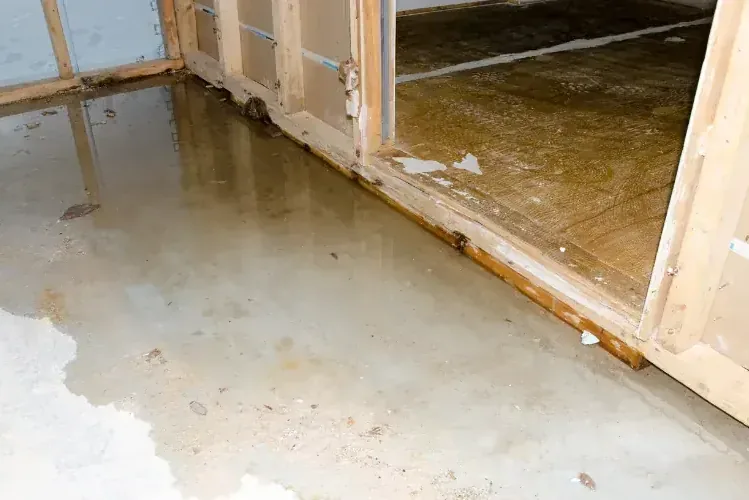
Floodwater can leave a room looking almost ordinary after the visible pool recedes. Sediment beneath furniture, damp wall bases and soaked floor backing tell a different story. Cleanup needs to address everything the outdoor water contacted, including concealed layers that ordinary surface wiping cannot reach.
Connect the entry route with the indoor spread
Pineville Public Works includes a Storm Water division that manages rainfall runoff to help reduce flood risks. Impervious surface also factors into stormwater fees. Inside an affected property, the inspection records the actual entry point and traces water across thresholds, lower wall sections and adjoining rooms.
- Mark which entrances or low openings admitted water during the event.
- Identify absorbent finishes that contacted runoff, including backing beneath the floor.
- Keep wet debris separate from possessions and pathways that remained unaffected.
- Document sediment deposits before removal changes the visible pattern of water travel.
Plan access around the affected surfaces
Dorman Road, Downs Road and Carolina Place Parkway are state maintained roads listed by the town. At a flooded property, safe building entry and the condition of interior passageways shape cleanup logistics. The scope follows actual water contact rather than the appearance of a single room near the entrance.
Water entering from outdoors can carry contaminants and conceal sharp debris or electrical hazards. Occupants and pets should stay outside the affected area until safe entry is established. Moving wet items through dry rooms can spread residues. Household fans should not be used to blow across contaminated surfaces before the cleanup team has assessed removal, cleaning and exposure controls.
Clean before judging the drying result
After water and debris leave, suitable retained materials need appropriate cleaning and moisture control. Saturated absorbent layers may require removal. Structural drying then tracks the condition of the remaining assembly, with the closing record identifying what can be repaired and which finishes must be replaced.
Coverage
Storm flood cleanup in Pineville
Pineville storm cleanup assessments focus on properties where outdoor water reached interior rooms or enclosed building spaces. The location of entry, remaining water depth and safe access conditions help define the equipment and cleanup arrangements needed for the visit.
The same service nearby: storm flood cleanup in Cornelius, Mint Hill, Stanley.
Related services
Related water damage services in Pineville
Questions
Storm Flood Cleanup questions in Pineville
(888) 578-4720Describe the floodwater entry point01Is water from outdoors treated like a sink spill?
Outdoor water can carry contaminants and sediment into the building. The cleanup needs to account for that exposure rather than applying the same material decisions used for a contained supply water release.
02Can a room be used once the water recedes?
Receding water can leave contaminated residues, wet backing and unsafe electrical conditions. The space needs appropriate assessment and cleanup before normal use resumes, even when the floor no longer shows standing water.
03Why might lower wall finishes be removed?
Porous material can absorb contaminated water beyond its visible surface. Removal may be necessary to reach the affected assembly and clean retained components instead of drying contamination inside a closed wall.
04Should wet furnishings be moved into a dry bedroom?
That can spread water and residues into an unaffected area. Belongings handling should follow the cleanup plan, with contaminated items kept separate and their condition documented before removal or disposal decisions.
05Does stormwater management establish a property's flood exposure?
A property assessment should focus on the entry route, observed water level and surfaces actually contacted during the event. Those details determine the interior cleanup scope and the work needed at the building.
06What paperwork helps describe the flood cleanup?
Useful records show entry points, sediment patterns, affected materials and disposal decisions. Cleaning details and moisture measurements explain the recovery sequence after the visible water and damaged finishes have been removed.
24/7 water damage response
Set the rooms on a recovery path
Report where water entered, what remains wet and any unsafe access so the cleanup assessment can account for contamination and concealed spread.