Wet wood flooring and underlying layers
Hardwood Floor Water Damage in Mint Hill
Raised board edges can reveal moisture trapped below a floor that looks nearly dry. Hardwood recovery in Mint Hill begins by identifying the installed product and wet layers, then deciding whether controlled drying or selective removal suits their condition.
(888) 578-4720Discuss the floor's changing shape- Floor product identification
- Backing moisture comparison
- Salvage decisions by condition
First steps
First steps for hardwood floor water damage
- Protect unstable sections from trafficMark raised or loose boards and keep people away from the trip area. Move only light belongings from stable flooring, leaving heavy furnishings for planned handling and safe access.
- Describe the product and changesProvide any available flooring information and explain where edges lifted, seams opened or dark patches appeared. Mention the water source and whether the floor has already received extraction or heat.
- Keep the assembly available for checkingAvoid covering the damp area with rugs or replacement boards. The assessment needs access to surface changes, perimeter gaps and any existing opening that reveals the backing beneath the finish.
- Separate drying from cosmetic repairAsk for the moisture findings and material condition before sanding or replacement starts. Retain records of the wet footprint so the repair scope addresses the affected backing as well as visible boards.
Planning costs
What does hardwood floor water damage cost in Mint Hill, NC?
Hardwood water damage costs in Mint Hill depend on floor construction, backing moisture and the condition of the boards. These ranges distinguish localized wetting from broader assembly damage, with refinishing or replacement details stated separately after the material assessment.
Localized wet boards
$1,500 to $3,000- A limited area with accessible edges
- Product identification and initial moisture comparisons
- Targeted drying where the assembly permits
Backing and wider floor area
$3,000 to $5,000- Moisture beneath several connected floor sections
- Additional access to wet underlying layers
- Equipment adjustments based on material response
Damaged or contaminated assembly
$5,000 to $7,500+- Removal of unsuitable boards or backing
- Cleaning and drying before replacement work
- Detailed handoff for the remaining assembly
Estimate only. The water damage cost calculator shows how wet area, contamination and material choices affect the planning range.
Measured work
The hardwood floor water damage process
Identify product and installation
The assessment establishes the floor type, visible damage and accessible backing so equipment choices account for how the assembly was installed and affected by water.
Compare representative moisture points
Readings across wet sections and suitable unaffected areas help define the footprint, including concealed moisture that may remain after surface extraction removes the visible liquid.
Test the recovery approach
Suitable retained materials receive a drying plan while progress is monitored, with access or removal decisions adjusted when the assembly does not respond as needed.
Define finish repair readiness
The material condition and moisture record inform the next repair stage, separating any refinishing decision from backing replacement and other work needed below the surface.
A wood floor can change shape after the visible water has been removed. Moisture differences between the face, underside and backing can affect how boards respond. The assessment should identify the product and the entire wet assembly before choosing equipment or promising that a cosmetic repair will be enough.
Identify what is actually installed
Brighton Park has detached houses and townhomes, while Summerwood contains larger detached houses. Inside each property, the floor product needs direct identification. Solid wood, engineered products and other wood-look finishes do not respond identically to water, and their installation details affect access to the wet layers beneath.
- Record lifted edges and changes at thresholds without forcing boards flat.
- Keep rugs away from damp areas when they can be moved safely.
- Note cabinets or heavy furniture that block access to affected flooring.
- Retain any available flooring product details for the assessment and repair plan.
Compare the surface with the backing
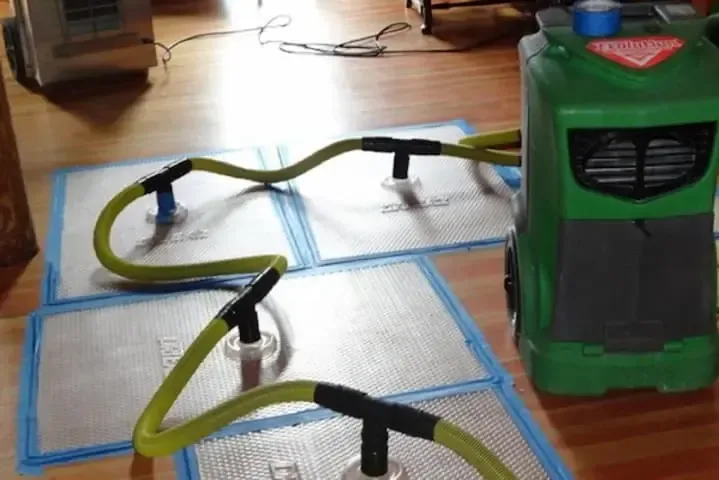
The Meadows of Mint Hill contains single-family homes. At a wet floor there, accessible readings should include the affected assembly and suitable unaffected reference areas. Floor drying mats may help some losses, but damaged bonds, contamination or inaccessible wet backing can change the decision toward selective removal.
A raised or buckled section can become a trip hazard and may move underfoot. Keep traffic away, avoid placing heavy loads on unstable boards and do not begin sanding while moisture conditions are changing. Electrical equipment should stay clear of standing water. The source and underlying wet layers need attention before cosmetic work or replacement material hides the condition.
Make the repair decision after stabilization
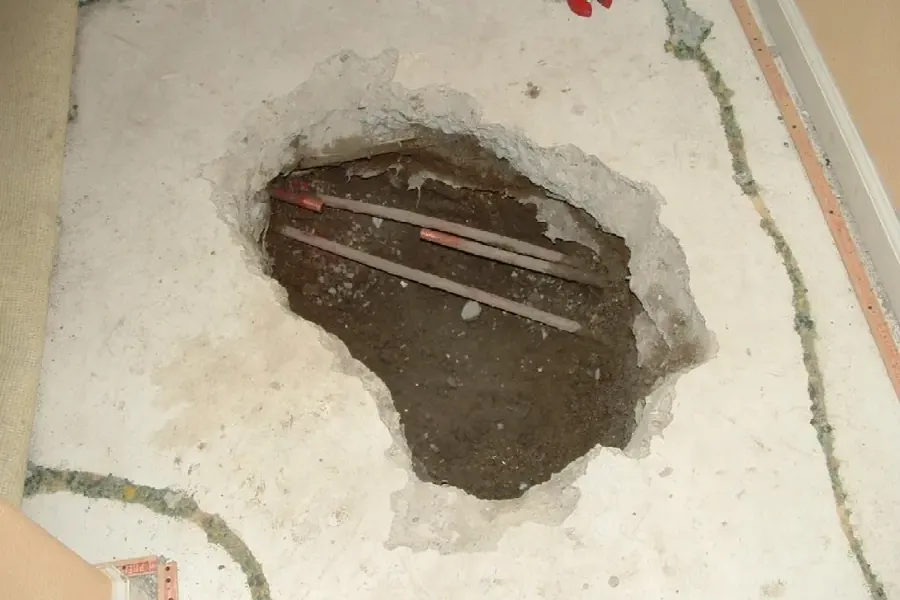
Measured progress helps establish whether a retained floor is responding and whether backing remains wet. Slab leak cleanup may be relevant when moisture enters around the slab. The handoff should describe retained sections, removed layers and conditions needed for replacement or refinishing, keeping appearance and moisture readiness as separate decisions.
Coverage
Hardwood floor water damage in Mint Hill
Floor moisture assessments include Brighton Park, Summerwood and The Meadows of Mint Hill. Describe the floor product when known, visible board movement and the source location so the visit can focus on the full affected flooring assembly.
The same service nearby: hardwood floor water damage in Cornelius, Pineville, Stanley.
Related services
Related water damage services in Mint Hill
Questions
Hardwood Floor Water Damage questions in Mint Hill
(888) 578-4720Discuss wood and backing moisture01Can every water damaged wood floor be saved?
Recovery depends on the product, contamination, bond condition and access to wet backing. The assessment should explain the retained and removed sections without promising that all boards will return to their original shape.
02Why wait before sanding cupped boards?
Moisture conditions may still be changing through the assembly. Cosmetic work should follow assessment of the floor's response and repair requirements so sanding does not conceal unresolved water beneath the surface.
03Are drying mats appropriate for every wood finish?
Equipment selection depends on the actual floor and its installation. Some assemblies allow useful surface access, while damaged layers, contamination or trapped backing moisture may require a different recovery method.
04Can the backing stay wet after the top dries?
Different layers release moisture at different rates. Readings at accessible backing and floor edges help establish whether concealed material still needs access or continued drying after the surface looks dry.
05Should heavy furniture hold lifted boards down?
Loading an unstable floor can create additional damage or hazards. Keep the affected section clear and let the material assessment determine whether drying, selective removal or later replacement is appropriate.
06What records help with a flooring repair decision?
Useful records identify the product, original wet footprint, visible movement, readings and any removed layers. Those details connect the moisture recovery to the requirements for replacement materials or finish work.
24/7 water damage response
Make the flooring decision from material condition
Describe lifting, cupping and the water source so the assessment can separate drying opportunities from sections needing removal or later repair.