Measured moisture recovery within the building
Structural Drying in Mint Hill
A room can feel comfortable while its wall plates and floor backing remain wet. Structural drying in Mint Hill uses material readings and accessible drying surfaces to establish what still needs attention after standing water has been removed.
(888) 578-4720Discuss the materials still holding moisture- Material-specific drying targets
- Repeatable measurement points
- Equipment adjusted to response
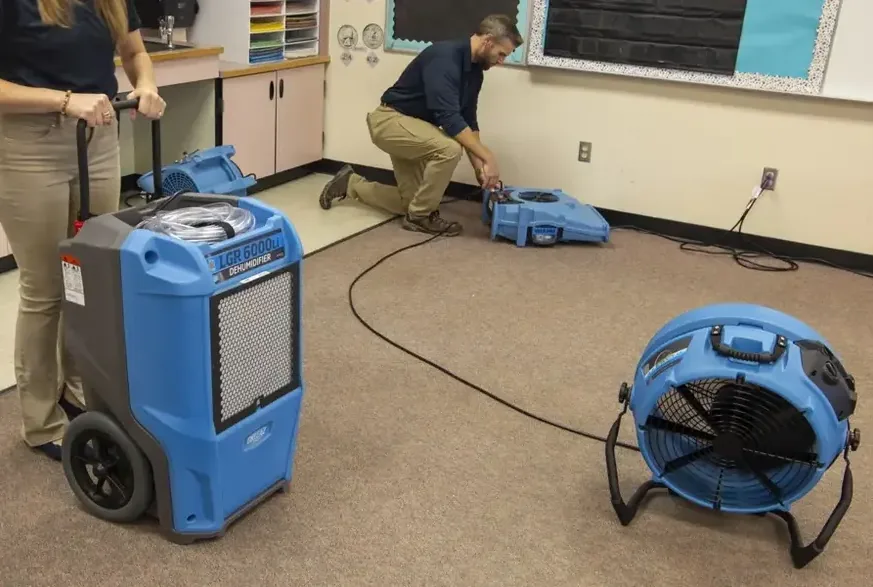
First steps
First steps for structural drying
- Identify what remains wetProvide the source history, rooms affected and any extraction already completed. Mention opened walls or removed flooring so the assessment can start with the retained assembly and available access.
- Keep existing openings accessibleAvoid replacing trim, insulation or panels while material checking continues. The drying team needs to reach representative wet points and observe whether hidden layers respond to the planned equipment setup.
- Discuss safe daily accessExplain which rooms occupants must use and where children or pets stay. Equipment, hoses and power arrangements should account for these needs while preserving effective airflow around the wet materials.
- Ask for the material progress recordKeep readings and changes to the drying plan with the repair paperwork. Reconstruction decisions should reflect the condition of retained assemblies rather than a fixed calendar date or surface appearance.
Planning costs
What does structural drying cost in Mint Hill, NC?
Structural drying costs in Mint Hill reflect the amount of retained wet material, access to concealed layers and equipment needs. A small exposed assembly differs from connected rooms or dense materials that require more monitoring, access changes and coordinated repair preparation.
Small accessible assembly
$1,000 to $2,000- Limited retained materials with useful access
- Initial equipment layout and moisture mapping
- Follow-up checks at representative wet points
Several connected rooms
$2,000 to $4,000- Different materials across adjoining building spaces
- Additional airflow and moisture control equipment
- Separate readings for connected wet assemblies
Dense or concealed materials
$4,000 to $6,000+- Restricted access requiring selective material openings
- Closer assessment of slow moisture response
- Drying changes coordinated with reconstruction requirements
Estimate only. The water damage cost calculator shows how wet area, contamination and material choices affect the planning range.
Measured work
The structural drying process
Establish a moisture baseline
Initial readings identify wet materials and suitable comparison points, while inspection records the water source, completed removal work and accessible surfaces within the affected assembly.
Set equipment and access
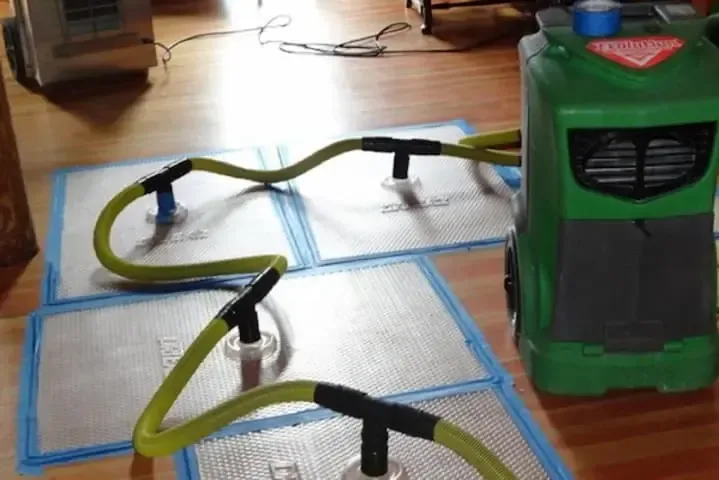
Air movement and dehumidification are matched to the retained materials, with selective openings considered when concealed moisture cannot respond effectively through the existing exposed surfaces.
Evaluate the material response
Repeat checks show how the assembly is changing and whether equipment placement, access or material retention needs adjustment to address moisture remaining in slower drying layers.
Document the reconstruction handoff
The final record describes measured conditions and any remaining repair requirements, helping the next trade understand the retained assembly before new insulation, flooring or finishes are installed.
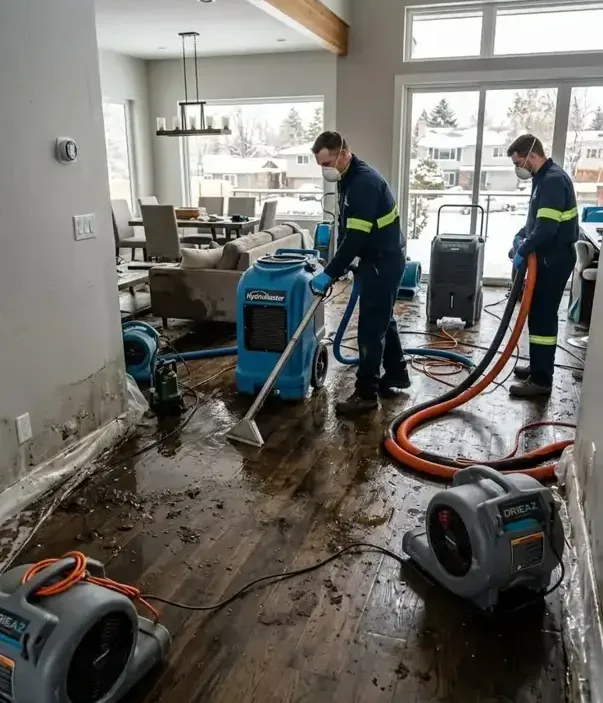
The equipment in a room is only part of a drying plan. The important questions are which materials remain wet, whether air can reach them and how their readings change. A clear moisture map makes those decisions visible instead of treating a warm room as a finished job.
Start with the assembly and its access
Olde Sycamore housing developed from the late 1990s onward, and The Meadows of Mint Hill includes homes built between 2005 and 2007. At each property, inspection identifies the actual framing, insulation and floor layers. Drying goals follow those installed materials and their condition after the loss.
Give concealed surfaces a route to dry
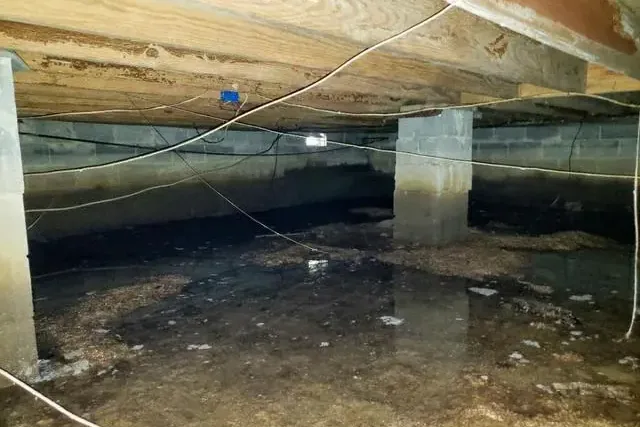
Brighton Park combines detached houses and townhomes. Inside either form, wet wall plates or floor backing can remain enclosed behind finishes. Suitable selective openings allow inspection and moisture release. The plan should explain what needs access and why, with cleaning or unsuitable material removal completed before retained assemblies enter drying.
- Use consistent measurement locations so readings describe actual material change.
- Keep equipment paths clear while preserving safe movement through occupied areas.
- Record changes in access, removed layers and drying equipment placement.
- Check dense materials separately from surfaces that appear to dry quickly.
Moving equipment, unplugging machines or closing a planned opening can change the drying conditions. Keep children and pets clear of cords and discharge hoses, and report unusual sounds, leaks or tripped power immediately. Equipment should use suitable electrical arrangements established for the job. A homeowner should not add household heaters or fans to a wet assembly without coordination.
Use the record to plan reconstruction
Follow-up readings show whether retained materials are progressing or need a different approach. The scope may require revised access rather than additional equipment alone. Water extraction precedes drying where liquid remains. The final handoff should identify the material conditions, completed removals and requirements still relevant to replacement finishes.
Coverage
Structural drying in Mint Hill
Drying assessments serve Olde Sycamore, Brighton Park and The Meadows of Mint Hill. Explain which finishes have been opened and where moisture remains so equipment placement and measurements can address the retained materials that still need recovery.
The same service nearby: structural drying in Cornelius, Pineville, Stanley.
Related services
Related water damage services in Mint Hill
01Is room humidity enough to show that walls are dry?
Air conditions help manage the process, but material readings establish what remains inside the assembly. Wall plates, backing and dense sections need their own checks before the drying stage is considered complete.
02Why does drying sometimes require an opening?
A closed finish can restrict access to wet layers and conceal saturated insulation. Selective openings may allow inspection and effective moisture removal while suitable retained materials remain in place for drying.
03Can equipment run only while occupants are home?
Interruptions can change the planned drying conditions. Discuss occupancy, noise and access needs with the drying team so the equipment schedule and safe power arrangements are addressed within the actual work plan.
04What happens if a material is drying slowly?
The response should be evaluated against access, material type and remaining moisture. Equipment changes, revised openings or a removal decision may be appropriate when the original approach is not reaching the wet layer.
05Does every room need the same equipment layout?
Different assemblies and room connections create different drying needs. Placement should account for wet surfaces, safe power, obstructions and the material response rather than repeating an identical setup throughout the property.
06What should the homeowner keep after drying?
Retain moisture records, photographs, removal details and the repair handoff. Together they explain what was affected, what remained in place and which conditions were checked before replacement finishes covered the assembly.
24/7 water damage response
Measure readiness before closing the wall
Describe current openings and equipment so the drying assessment can focus on retained materials and a clear reconstruction handoff.