Kitchen and laundry water damage recovery
Appliance Leak Water Damage in Mint Hill
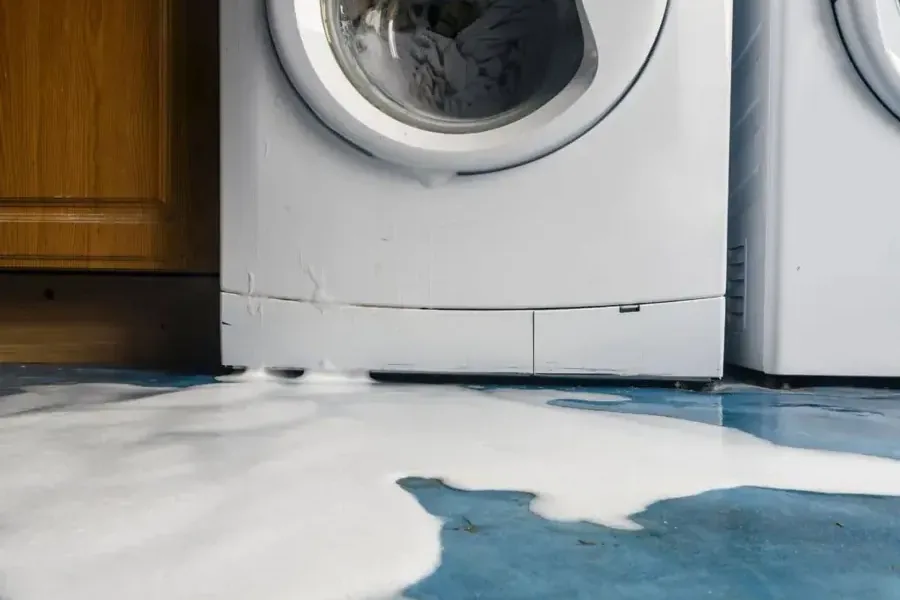
An appliance can hide the first wet patch underneath its base until nearby flooring changes. Mint Hill cleanup follows the actual discharge across cabinets, wall edges and adjoining surfaces, with safe disconnection and access arranged before the appliance moves.
(888) 578-4720Discuss moisture around the appliance- Cabinet base inspection
- Backing moisture checks
- Safe movement coordination
First steps
First steps for appliance leak water damage
- Stop the cycle from safetyAvoid restarting an appliance to demonstrate the leak. Use controls only from a dry, safe position and arrange professional isolation when water is near power connections or the machine's base.
- Describe the operating patternNote whether water appeared during filling, drainage or while the appliance was idle. Include unusual residue and the nearby surfaces that changed, helping the assessment address the actual release.
- Keep access to cabinet edgesRemove dry, lightweight contents from reachable adjacent cabinets when safe. Leave the appliance and heavy fixtures in place until movement can be coordinated with disconnection and protection of nearby finishes.
- Delay concealment of wet backingBefore the repaired appliance returns, confirm that the exposed floor and neighboring cabinet materials have been checked. Retain moisture records and any removal decisions with the appliance repair documentation.
Planning costs
What does appliance leak water damage cost in Mint Hill, NC?
Appliance leak cleanup pricing in Mint Hill follows the water beneath cabinets and floor finishes. A visible spill can require limited extraction, while saturated backing or leakage into adjoining spaces adds access, removal and drying work to the scope.
Limited accessible spill
$800 to $1,600- Visible liquid around an accessible appliance
- Assessment of immediate floor surface contact
- Targeted drying after safe source isolation
Cabinet or floor backing wet
$1,600 to $3,200- Access inside the affected appliance recess
- Checking swollen panels and concealed backing
- Selective material handling around retained cabinets
Wider concealed leakage
$3,200 to $4,800+- Discharge beneath adjacent rooms or finishes
- Additional openings along the water route
- Drying coordination before final appliance installation
Estimate only. The water damage cost calculator shows how wet area, contamination and material choices affect the planning range.
Measured work
The appliance leak water damage process
Identify the release pattern
The source assessment considers when the appliance leaked and which connections are involved, with safe isolation arranged before movement exposes the surrounding wet materials.
Inspect blocked surfaces
Access behind and below the appliance allows floor backing, cabinet sides and nearby wall sections to be checked beyond the visible room surface.
Choose removal or retention
Material condition and water exposure determine which affected layers can remain for drying and which need handling before the surrounding assembly can recover.
Check the installation space
Readings and observations in the exposed recess establish progress, keeping remaining moisture or replacement tasks clear before the appliance is moved back into position.
A curled floor edge beside a dishwasher or a damp laundry wall can reveal water that has been spreading out of sight. Appliance recovery should start by identifying the leaking component and the wet footprint beneath it. The appliance itself can block the most important inspection area.
Separate discharge from the source connection
The Meadows of Mint Hill is a single-family community with homes built between 2005 and 2007. Inside an affected kitchen or laundry, the installed appliance and its connections determine the source assessment. Supply water, discharge water and residue can require different handling once they contact surrounding building materials.
Check the cabinet and floor junction
Brighton Park has both detached houses and townhomes, while Summerwood contains larger detached houses. Across these layouts, water can follow the bottom of a cabinet or cross a doorway beneath the finish. The inspection should include toe spaces, neighboring panels and the floor backing exposed after safe appliance movement.
- Identify swelling at cabinet ends and soft material beside the appliance opening.
- Record whether the leak appears during filling, draining or idle periods.
- Keep appliance repair findings together with the building damage assessment.
- Check the lower room when leakage occurred above another occupied space.
Do not reach through standing water to unplug a machine or pull it away from the wall. Electrical connections, hoses and the weight of the appliance can make casual movement unsafe. Stop operation from a dry, safe position if possible and arrange appropriate repair attention. Keep the surrounding area clear until disconnection, movement and water handling can be planned together.
Plan recovery before reinstalling the appliance
Floor backing or cabinet material may need access after the source component has been repaired. Drying goals should be checked while that area remains exposed. If the leak affected wood flooring, floor moisture recovery can address the assembly beyond the appliance recess, with replacement needs documented before final installation.
Coverage
Appliance leak water damage in Mint Hill
Kitchen and laundry losses can be assessed in The Meadows of Mint Hill, Brighton Park and Summerwood. Describe the appliance, operating cycle and nearby swollen or wet finishes so the visit can focus on the concealed discharge path.
The same service nearby: appliance leak water damage in Cornelius, Pineville, Stanley.
Related services
Related water damage services in Mint Hill
Questions
Appliance Leak Water Damage questions in Mint Hill
(888) 578-4720Explain the leaking appliance cycle01Should the appliance be run again to find the leak?
Another cycle can add water to concealed materials. Record the operating stage when the leak appeared and leave source testing to the appropriate repair professional after safe access is established.
02Why is flooring wet outside the appliance recess?
Discharge can move beneath coverings or along cabinet bases before emerging. Moisture checks follow those connections to establish whether adjacent flooring, wall edges or another room also needs cleanup.
03Can cabinet toe spaces remain closed during drying?
The wet footprint and material condition determine access. Enclosed moisture may require selective opening so backing and cabinet components can be inspected, cleaned when needed and dried before trim returns.
04Does appliance repair include damaged floor replacement?
Those are separate tasks that should be described in the scope. Repair stops the source, while cleanup establishes moisture conditions and identifies flooring or cabinet materials that require later replacement.
05What if there is detergent in the water?
Tell the cleanup team about residue and the appliance involved. Water condition affects handling and cleaning decisions, especially where discharge has soaked porous backing or spread into adjoining building assemblies.
06When can the machine be pushed back into place?
Its connections must be safely repaired and the surrounding space assessed. Keep access available while wet backing needs work so installation does not conceal unfinished drying or damaged cabinet material.
24/7 water damage response
Recover the space behind the machine
Describe swollen panels and nearby floor changes so cleanup can address concealed layers before the appliance is repaired and repositioned.