Underfloor water and retained framing recovery
Crawl Space Water Removal in Mint Hill
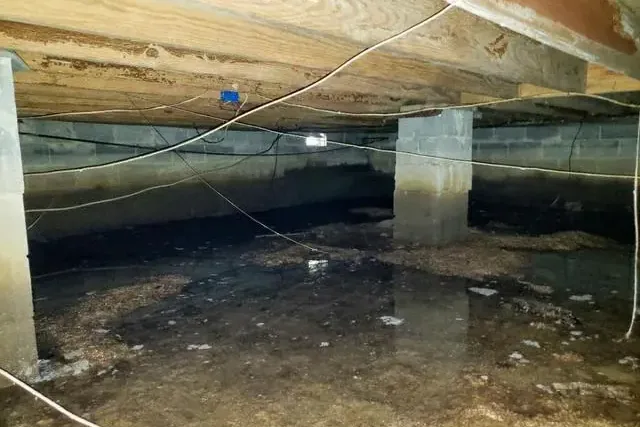
Water beneath a raised floor can remain unseen while insulation and framing stay wet. Mint Hill crawl space recovery begins with safe access and source assessment, then separates standing water removal from the drying needs of the underfloor assembly.
(888) 578-4720Discuss the water beneath the floor- Underfloor access assessed
- Standing water removal
- Insulation and joist checks
First steps
First steps for crawl space water removal
- Stay at a safe inspection positionDescribe water visible from outside the opening without entering the crawl space. Do not reach for wet wiring, hanging insulation or objects submerged beneath the floor while waiting for professional assessment.
- Explain known plumbing or entry changesMention a recent leak, continuing dripping or water appearing after outdoor entry when observed. Keep the account specific to what happened at the property so the source investigation starts with useful information.
- Clear the outside access routeMove dry, lightweight items away from the entrance when safe. Leave underfloor debris and wet materials undisturbed until the team can assess restricted access, contamination and suitable removal equipment for the space.
- Include overhead materials in the scopeAsk that wet insulation and retained framing be assessed after pumping. Keep source repair information and moisture records together so the underfloor recovery does not end with removal of the visible pool alone.
Planning costs
What does crawl space water removal cost in Mint Hill, NC?
Crawl space water removal costs in Mint Hill depend on access, water condition and wet materials above the ground. Restricted clearances, saturated insulation and contaminated contact can add handling and drying work beyond the basic removal of standing water.
Accessible underfloor water
$1,500 to $3,000- Usable entry to a contained pool
- Source assessment and suitable removal equipment
- Initial checks of nearby retained framing
Wet insulation and wider spread
$3,000 to $5,000- More extensive underfloor material contact assessment
- Handling of unsuitable wet insulation sections
- Drying attention across connected floor supports
Restricted or contaminated space
$5,000 to $7,000+- Protective handling within limited access areas
- Controlled removal of affected underfloor materials
- Additional cleaning and retained assembly checks
Estimate only. The water damage cost calculator shows how wet area, contamination and material choices affect the planning range.
Measured work
The crawl space water removal process
Assess entry and source
Inspection establishes safe access, visible hazards and continuing water entry before selecting a removal approach suited to the actual underfloor layout and water condition.
Remove accessible standing water
Pumping or extraction addresses the pool while equipment routes and discharge handling are coordinated to avoid creating additional problems around the building and access opening.
Evaluate insulation and supports
Wet insulation, joists and the underside of the floor are checked separately, with unsuitable material removal or cleaning planned before retained assemblies enter controlled drying.
Record underfloor recovery
Follow-up readings and photographs document the condition of retained materials, keeping remaining source work and any replacement insulation requirements clear before the access area is closed.
A pump can remove a pool beneath the house while leaving wet insulation and wood overhead. Crawl space recovery therefore needs both a water removal plan and an assessment of the raised-floor assembly. Safe access, the source and the materials contacted determine the practical sequence of work.
Confirm the underfloor layout at the property
Residential areas extend along Lawyers Road and Brief Road, while Fairview Road connects lower-density housing areas. Where a crawl space is present, the inspection should identify the entrance, clearances, obstructions and water path. Equipment choices follow that actual layout rather than the appearance of the house from outside.
Find the source before repeated pumping
Water beneath the floor may come from plumbing discharge or entry from outside. The source assessment should establish whether water is still arriving and what condition it is in. A continuing supply leak or unresolved entry path can refill the area after removal, leaving the retained materials exposed again.
- Report standing water visible from the entrance without crawling into it.
- Describe dripping insulation, fallen material or wet supports when safely observable.
- Keep the access opening clear for professional inspection and equipment movement.
- Identify any plumbing repair already completed above or within the space.
Underfloor water can conceal wiring, debris and poor footing in a restricted space. A homeowner should not crawl through it, pull down insulation or place household electrical equipment beneath the building. Keep people away from the opening until access is assessed. Water condition, structural concerns and equipment routes need attention before pumping and material handling begin.
Dry the assembly above the ground
Once accessible water is removed, wet insulation and retained joists need their own decisions. Structural drying can address the framing and floor assembly after appropriate removal and cleaning. Documentation should distinguish source correction, pooled water removal and the moisture condition of materials remaining beneath the occupied rooms.
Coverage
Crawl space water removal in Mint Hill
Underfloor water assessments include properties along Lawyers Road, Brief Road and Fairview Road where a crawl space is present. Describe access restrictions, visible water and any known source repair so the visit can plan suitable inspection and removal.
The same service nearby: crawl space water removal in Cornelius, Pineville, Stanley.
Related services
Related water damage services in Mint Hill
Questions
Crawl Space Water Removal questions in Mint Hill
(888) 578-4720Discuss access beneath the home01Is pumping enough to finish crawl space cleanup?
Pumping handles standing liquid. Wet insulation, joists and the underside of flooring still need assessment, with cleaning or drying decisions based on their condition and the water that contacted them.
02Can a homeowner enter to photograph the water?
Avoid entering a flooded or uncertain underfloor space. Images from a safe position outside the opening may help, while professional inspection can address restricted access, wiring and concealed footing hazards.
03Why does water remain after an indoor pipe repair?
Discharge can collect below the floor and soak materials before the source is corrected. Removal and drying must address that retained water separately from the completed plumbing repair.
04Should hanging wet insulation be pulled down?
Its condition and surrounding hazards need assessment first. Pulling material from beneath the house can expose a person to contaminated water, debris or nearby wiring and may complicate controlled removal.
05Does outside drainage determine the equipment needed?
Equipment depends on the pool, access, water condition and affected underfloor materials at the property. The source investigation also needs to establish whether water continues to enter during removal.
06When can new insulation go beneath the floor?
Source issues and cleanup need attention first, and retained framing should meet the drying plan's requirements. The handoff should identify material conditions and any remaining work before replacement insulation conceals the assembly.
24/7 water damage response
Recover the assembly above the standing water
Describe the entrance and visible conditions so inspection can address safe removal, wet insulation and retained framing together.