Standing water and wet floor recovery
Water Extraction in Mint Hill
A puddle at a doorway can hide a much larger wet area beneath the floor. Extraction in Mint Hill starts by finding the water's reach, checking access and selecting equipment suited to the affected surfaces.
(888) 578-4720Discuss the rooms holding water- Surface water removal
- Floor layer checks
- Drying follows extraction
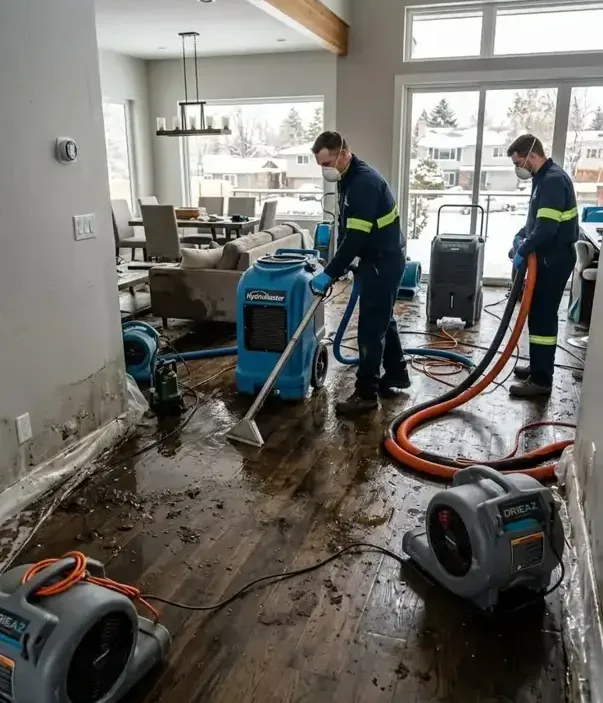
First steps
First steps for water extraction
- Stop additional water safelyLocate an accessible shutoff when an indoor supply is involved. Keep away from submerged switches and leave uncertain electrical conditions for a qualified professional to assess.
- Clear a dry approachMove lightweight belongings from dry edges of the room. Avoid dragging furniture through standing water, and leave heavy items in place until their handling is planned.
- Describe each affected surfaceIdentify wet carpet, wood, tile and connected rooms when arranging help. Mention outdoor entry or wastewater so the initial equipment and protective measures match the situation.
- Keep records before removalPhotograph the water boundary from safe positions. Retain a short account of discovery, source control and damaged belongings for the cleanup assessment and any insurance discussion.
Planning costs
What does water extraction cost in Mint Hill, NC?
Mint Hill water extraction costs depend on how much liquid is accessible, the surfaces involved and the condition of hidden backing. These planning ranges separate a contained room from broader or contaminated losses requiring additional handling.
One accessible room
$800 to $1,500- Open flooring with manageable water depth
- Basic checking at the room edges
- Initial equipment setup for liquid removal
Several wet rooms
$1,500 to $3,000- Connected floor areas needing separate passes
- Additional furniture access and hose routing
- Moisture checks across several material transitions
Deep or contaminated water
$3,000 to $4,500+- Protective handling for unsuitable water contact
- Greater removal volume or restricted access
- Disposal needs assessed before drying begins
Estimate only. The water damage cost calculator shows how wet area, contamination and material choices affect the planning range.
Measured work
The water extraction process
Survey the wet boundary
The assessment follows visible water into adjacent floor sections and records affected materials before pumps or extraction tools alter the scene.
Select collection equipment
Water depth, access and surface condition determine whether pumping, floor tools or carpet extraction are appropriate for the first removal passes.
Inspect exposed layers
After accessible liquid is removed, readings help locate moisture retained beneath coverings, along trim and inside nearby building assemblies.
Set the drying scope
The remaining moisture map determines equipment placement and any needed openings, with a written explanation of items requiring removal or continued measurement.
A wet room deserves a wider inspection than the puddle suggests. Water can pass beneath trim, collect under furniture and enter floor seams before it becomes obvious. A practical extraction plan identifies those routes while preserving a safe path for equipment and occupants.
Start at the edges of the water
Brighton Park includes detached houses and townhomes, so a room map should follow the actual building layout. Door thresholds, cabinet ends and connected closets deserve attention. An attached garage can also create another surface transition to examine when water reaches the connecting doorway.
- Lift accessible liquid before repeatedly walking across soaked carpet or floor seams.
- Mark furniture legs and cabinet bases that stood in the wet area.
- Check the opposite side of interior partitions for spreading moisture.
- Separate outdoor water entry from an indoor supply leak during assessment.
Choose removal methods around the material
Residential areas extend along Lawyers Road, while Summerwood contains larger detached houses. Room size affects hose routes, but material condition determines the extraction method. Carpet backing, underlayment and wood joints can hold water differently. Stronger suction alone cannot solve moisture trapped beneath an impermeable finish or behind a closed wall.
Standing water beside outlets, appliances or extension cords requires a safe electrical assessment before entry. A homeowner should stay on dry flooring and avoid moving plugged equipment through the puddle. If sewage or outdoor runoff is involved, restrict access instead of spreading the water with household cleaning tools. Keep children and pets away until the affected area has been assessed.
Finish removal with a moisture map
The final extraction pass is followed by readings at floor edges and nearby walls. Remaining wet assemblies belong in a structural drying plan. The record should distinguish materials that can dry in place from layers requiring access, with photographs showing the original wet boundary before equipment changes the room.
Coverage
Water extraction in Mint Hill
Extraction assessments cover Brighton Park, Summerwood and residential properties along Lawyers Road. Describe the affected level, entrance access and floor finish when requesting help so the visit can focus on the actual wet spaces.
The same service nearby: water extraction in Cornelius, Pineville, Stanley.
Related services
Related water damage services in Mint Hill
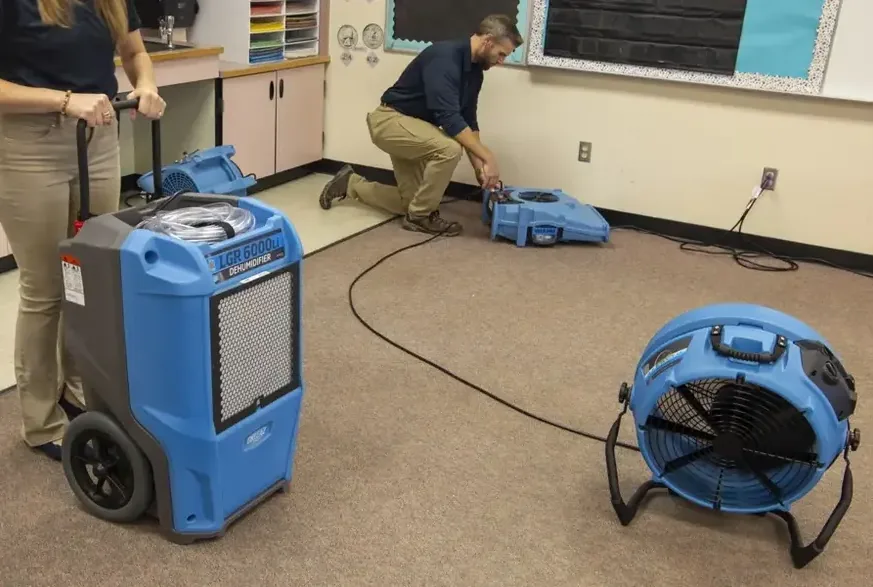
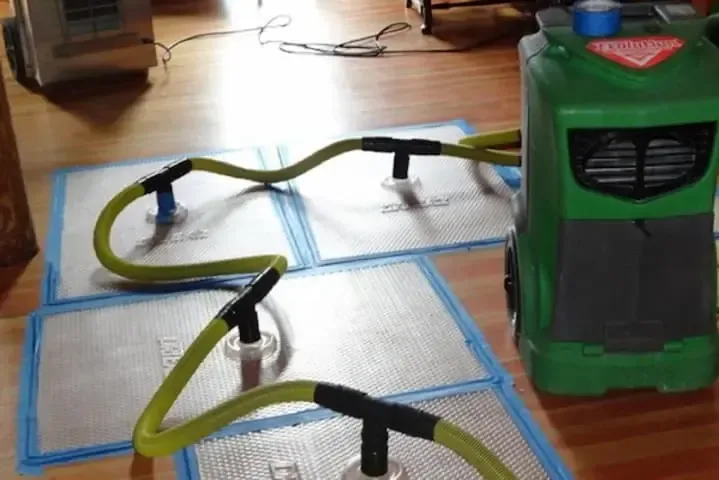
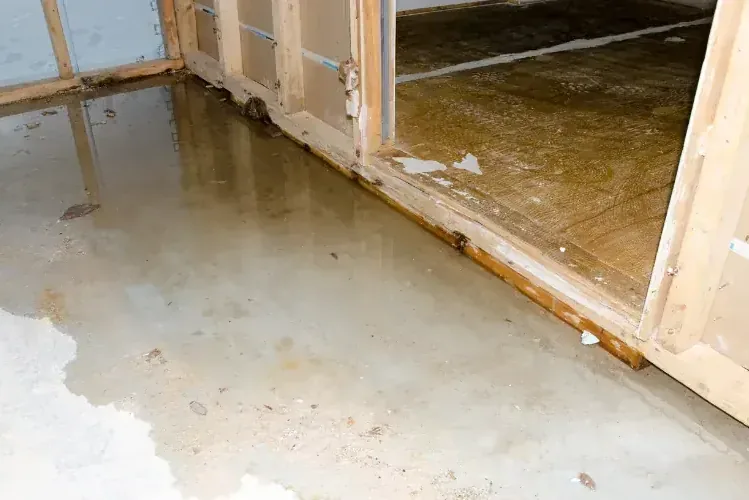
01Will removing the puddle dry the floor?
Surface removal handles liquid that equipment can reach. Floor backing and wall edges may still hold moisture, so measurements establish whether drying equipment or access beneath a covering is needed.
02Can the furniture stay in the room?
Some pieces can be protected or shifted within a dry area. Heavy furniture, wet upholstery and items blocking extraction require a separate handling decision based on their condition and access.
03Is every carpet suitable for extraction?
The water source and carpet assembly matter. Contaminated backing or damaged layers can require removal, while suitable materials may remain for extraction and drying after the affected area is evaluated.
04What information helps before arrival?
A description of the water source, affected rooms, floor types and electrical concerns helps define the initial work. Photographs are useful when they can be taken without entering unsafe water.
05Does clean looking water need checking?
The crew assesses the water source and checks what the liquid touched along its path. Contact with dirty surfaces and time inside concealed spaces affect the choice of protective equipment and removal methods.
06When does the extraction stage end?
Accessible standing water should be removed and the remaining wet materials identified. Drying can then continue under a measured plan instead of treating an empty puddle as completed restoration.
24/7 water damage response
Make space for a measured recovery
Describe the rooms, floor finishes and source so the extraction scope can begin with the right information.