Rain entry and interior material recovery
Roof Leak Water Damage in Mint Hill
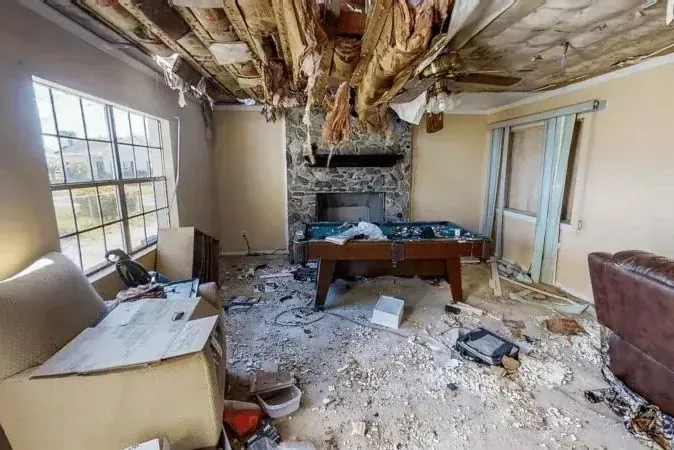
Rain entering the roof can travel across attic materials before a ceiling spot appears. Recovery in Mint Hill needs an interior moisture assessment alongside the roof repair, with attention to wet insulation and the rooms beneath it.
(888) 578-4720Discuss rain inside the building- Roof repair coordination
- Attic moisture assessment
- Interior drying scope
First steps
First steps for roof leak water damage
- Mark the safe interior boundaryKeep occupants outside rooms with sagging panels or water near electrical fittings. Move small belongings only when they can be reached from sound flooring away from the drip area.
- Arrange exterior source attentionDescribe when water appeared and whether rain is still entering. Roof inspection and temporary protection should be handled by appropriate professionals rather than by climbing from an unsafe ladder.
- Identify the attic access pointTell the cleanup team where the hatch is and whether storage blocks access. Do not enter a wet attic to locate the leak or disturb insulation around electrical components.
- Connect records from both work areasRetain exterior repair details with photographs of attic and room damage. Keep the ceiling access available until the wet materials have been assessed and the drying work can be documented.
Planning costs
What does roof leak water damage cost in Mint Hill, NC?
Roof leak water damage pricing in Mint Hill reflects the interior spread, attic access and condition of overhead materials. The ranges describe cleanup and drying needs; exterior roof work and new interior finishes should be clearly separated in the written scope.
Localized interior staining
$1,000 to $2,000- A contained patch requiring interior inspection
- Accessible surfaces beside the wet area
- Limited equipment and material handling needs
Attic and ceiling involvement
$2,000 to $4,000- Insulation assessment above damaged ceiling panels
- Controlled openings for retained framing access
- Coordinated drying between attic and room
Wider rainwater spread
$4,000 to $6,000+- Several rooms beneath the entry path
- More extensive overhead removal and protection
- Repeated readings across connected wet assemblies
Estimate only. The water damage cost calculator shows how wet area, contamination and material choices affect the planning range.
Measured work
The roof leak water damage process
Relate rain to damage
The assessment records when interior changes appeared and uses the roof findings to identify likely water routes requiring closer inspection inside the building.
Inspect attic and ceiling
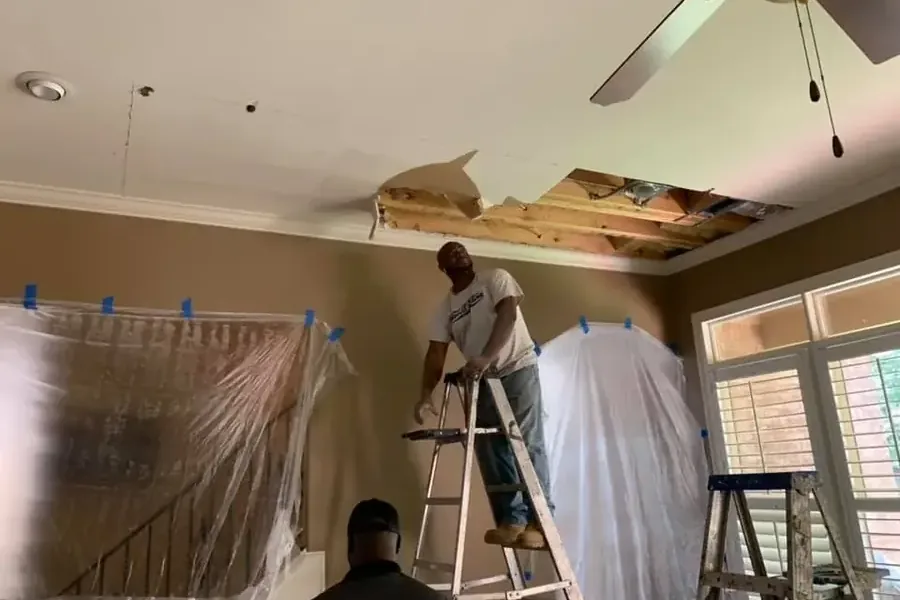
Accessible framing, insulation and overhead panels are evaluated as separate materials, with wet boundaries marked beyond the most obvious stain or dripping point.
Create effective drying access
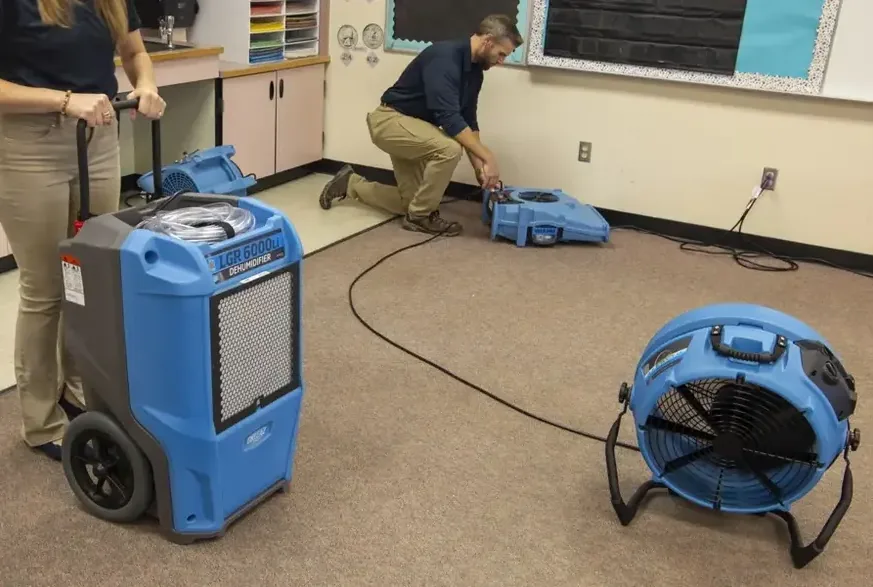
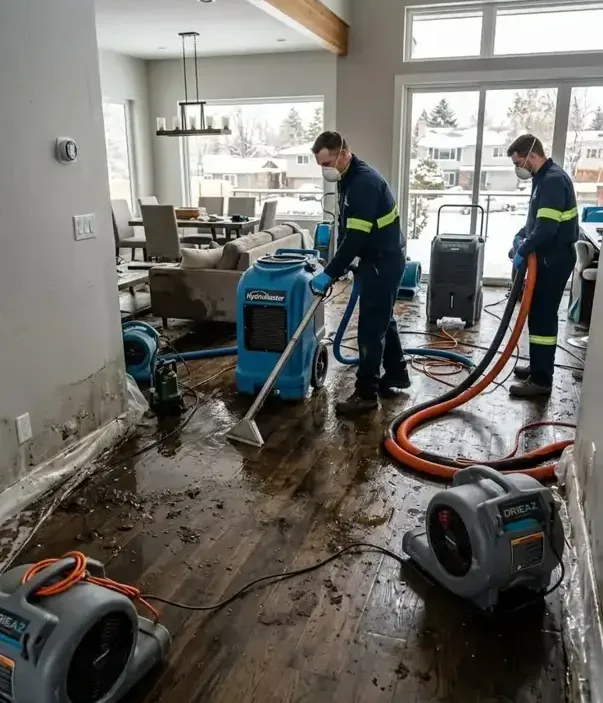
Unsuitable insulation and damaged finishes are addressed so the remaining assembly can receive appropriate drying, with equipment placed around safe access and electrical conditions.
Coordinate the finish return
Source repair information and moisture records are brought together before new ceiling materials or insulation conceal the area, keeping incomplete tasks visible in the scope.
A dry interval can hide the ongoing effects of rain that entered earlier. Insulation may remain wet, wood may retain moisture and a ceiling stain may continue growing as water drains through the assembly. Interior recovery should follow the entire route from the attic to the occupied room.
Trace rain beyond the first drip
Olde Sycamore contains established detached houses, and Summerwood has brick and stone exteriors. For a roof leak at either property, inspection follows the actual roof and attic arrangement. Water can run along a surface before dropping, so the indoor stain and exterior repair location may be offset.
Give attic materials their own assessment
Residential areas also extend along Brief Road. Inside an affected home, wet insulation should be evaluated for condition and removal needs before drying equipment is selected. Retained framing needs accessible drying surfaces, while ceiling panels below require checking for softness, sagging and moisture beyond the visible mark.
- Identify attic access without entering a wet or poorly supported space.
- Keep photographs of interior changes associated with separate periods of rain.
- Ask that the roof repair location be recorded for cleanup coordination.
- Check furnishings and flooring below drips for secondary water exposure.
Climbing onto a wet roof or walking between attic supports can cause serious injury. A homeowner should remain in safe occupied areas and avoid touching wet electrical fittings. Keep people away from ceiling sections that sag or shed material. Temporary exterior protection and attic entry need suitable equipment and assessment; interior buckets cannot make an unstable overhead assembly safe to occupy.
Repair finishes after the concealed work
The drying record should connect exterior source correction with retained material conditions inside. Ceiling leak recovery addresses damaged overhead finishes, while attic checks establish whether insulation and framing are ready for closure. A patch that looks tidy should follow completion of these underlying tasks, with unresolved wet areas kept accessible.
Coverage
Roof leak water damage in Mint Hill
Interior rain damage assessments include Olde Sycamore, Summerwood and homes along Brief Road. Describe attic access, the rooms showing stains and the status of roof protection so cleanup planning can account for continuing entry and concealed moisture.
The same service nearby: roof leak water damage in Cornelius, Pineville, Stanley.
Related services
Related water damage services in Mint Hill
01Why is the stain away from the roof opening?
Rainwater can follow roof framing, decking or another surface before reaching the ceiling. Inspection traces that route rather than assuming the exterior defect sits directly above the visible indoor mark.
02Can attic insulation dry without removal?
Its condition, contamination and accessibility determine the decision. Some wet insulation needs removal so the framing can be assessed, while any retained material must be suitable for the planned drying method.
03Does roof repair include interior water cleanup?
Exterior repair addresses the entry point. The interior scope should separately describe wet material handling, drying and finish replacement so those tasks remain clear when several trades are involved.
04Should the attic hatch be opened during rain?
Safe access depends on conditions around the hatch and inside the attic. Avoid entry where water, weak surfaces or electrical hazards are present, and let professionals establish an appropriate inspection route.
05Why check the floor below a ceiling leak?
Drips can soak carpet, wood joints and furniture after leaving the overhead assembly. Those lower materials may need extraction or drying even when the main visible damage remains on the ceiling.
06When can the damaged ceiling be replaced?
The source should be corrected and retained materials checked against drying goals. Reconstruction follows that assessment, with attic insulation and hidden framing considered along with the panel surface below.
24/7 water damage response
Connect the roof repair with interior recovery
Explain where rain appeared indoors and which ceiling sections changed so the cleanup scope can follow the concealed water route.