Outdoor water entry and room recovery
Storm Flood Cleanup in Mint Hill
Water that crosses the threshold from outdoors brings a different cleanup problem than a small indoor spill. Mint Hill flood recovery starts with safe entry, the water's route and the condition of every material it contacted.
(888) 578-4720Discuss outdoor water in the home- Entry route assessment
- Contaminated material handling
- Cleaning before drying
First steps
First steps for storm flood cleanup
- Stay outside unsafe floodwaterDo not cross water near electrical equipment or unstable materials. Explain access limitations when requesting help so the initial assessment can establish a safe approach to the affected building.
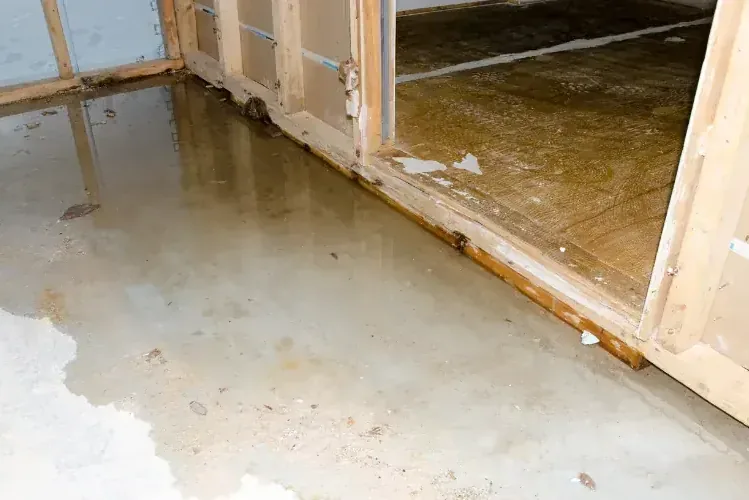
- Record entry and water marksPhotograph doorway residue and visible marks from dry, stable positions. Note which rooms received outdoor water and whether entry continues, without walking through contamination to collect additional evidence.
- Keep clean belongings separatedLeave wet contents inside the designated affected area until handling is planned. Moving boxes, rugs or shoes through dry rooms can spread residue and complicate the eventual cleaning scope.
- Clarify disposal and documentation needsDiscuss affected contents before they are discarded when practical. A written material record and photographs support decisions about removal, cleaning and any insurance conversation after the initial water emergency.
Planning costs
What does storm flood cleanup cost in Mint Hill, NC?
Storm flood cleanup in Mint Hill depends on contamination, water depth and the porous materials reached. Planning ranges increase as more rooms, contents and concealed assemblies require removal, cleaning and documented drying before the building can be repaired.
Limited outdoor-water entry
$2,500 to $4,500- Contained entry affecting an accessible area
- Removal of liquid and visible residue
- Targeted assessment of contacted porous materials
Several contaminated rooms
$4,500 to $8,000- Multiple contents and material handling zones
- Cleaning across connected wet floor areas
- Drying access along affected lower walls
Extensive flood involvement
$8,000 to $12,000+- Broad removal and controlled waste handling
- Numerous assemblies requiring separate moisture checks
- Larger equipment layout and reconstruction coordination
Estimate only. The water damage cost calculator shows how wet area, contamination and material choices affect the planning range.
Measured work
The storm flood cleanup process
Establish safe work limits
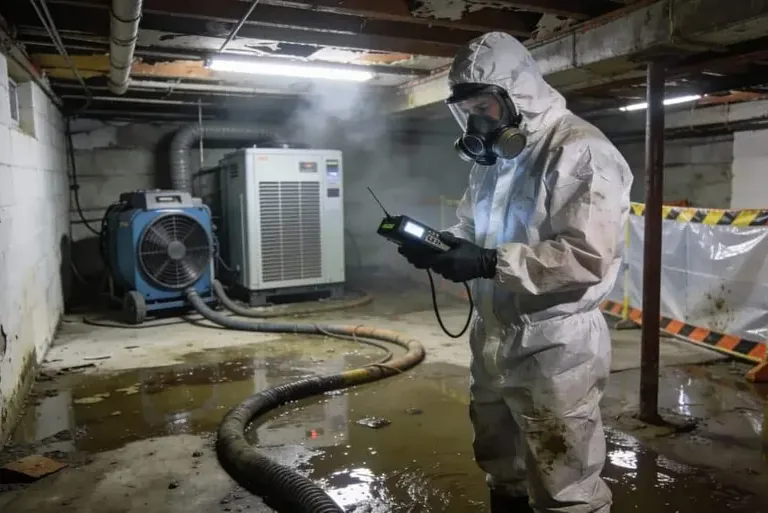
Assessment identifies electrical, structural and contamination concerns before people or equipment move through the flooded space and into adjoining dry rooms.
Document contacted materials
The water boundary, residue and affected contents are recorded to support specific decisions about removal, cleaning and handling before the original conditions change.
Remove water and residue
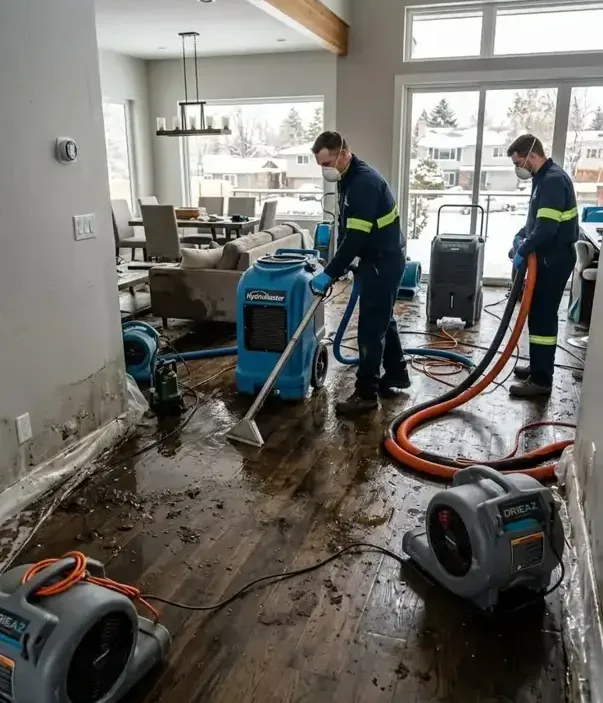
Appropriate extraction and material removal prepare cleanable surfaces for treatment, with movement managed to limit tracking through parts of the building that remain unaffected.
Measure retained assemblies
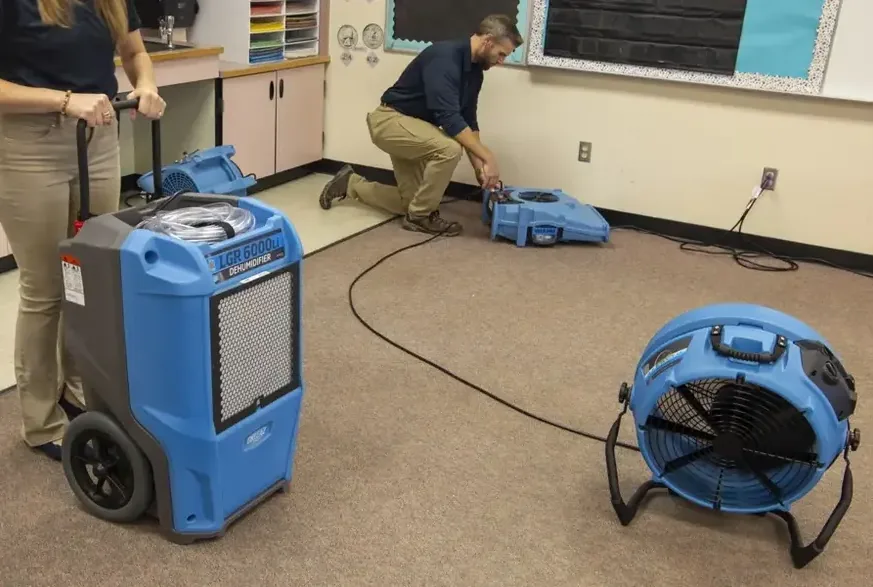
Following cleaning, the drying plan targets suitable framing and other retained materials, using repeat readings to establish progress and the conditions needed for reconstruction.
Mud at a doorway, residue along a wall and water beneath stored belongings can each show part of a flood's reach. The cleanup needs a complete room map before those traces disappear. A dry-looking surface may still cover wet backing or contaminated material below it.
Use the property's actual entry route
The town center sits on a drainage ridge. Western drainage moves toward McAlpine Creek in the Catawba River watershed, while eastern drainage reaches Clear Creek, Crooked Creek and Goose Creek in the Rocky River watershed. At a flooded building, doorways, openings and observed water marks define the cleanup area.
- Record the highest visible water mark from a safe inspection position.
- Separate items touched by floodwater from dry belongings awaiting relocation.
- Keep footwear and equipment from carrying residue into unaffected rooms.
- Identify water beneath cabinets, floor coverings and low storage shelves.
Choose material handling before airflow
Outdoor water can carry contaminants into porous floor and wall layers. The assessment should identify materials needing removal and surfaces suitable for cleaning. Residue left beneath a covering can remain after the visible puddle is gone, so access decisions belong ahead of equipment placement and finish repair.
A homeowner should stay clear of standing water around electrical equipment, displaced materials or uncertain footing. Children and pets need a separate dry area. Avoid moving household fans into a contaminated room or attempting to flush residue into another space. Professional assessment should establish safe access, protective handling and the condition of the building before occupants begin sorting wet contents.
Dry the cleaned, retained assembly
After water removal and appropriate cleaning, retained framing and surfaces can enter a measured drying stage. Sewage backup cleanup addresses a different source when wastewater is involved. Documentation should preserve the observed entry route, material decisions and readings so reconstruction follows the actual condition of the building.
Coverage
Storm flood cleanup in Mint Hill
Flood assessments across Mint Hill begin with the observed building entry and affected rooms. Mention nearby corridors such as Fairview Road or Lawyers Road for access coordination, then describe continuing water entry, residue and any unsafe electrical conditions.
The same service nearby: storm flood cleanup in Cornelius, Pineville, Stanley.
Related services
Related water damage services in Mint Hill
Questions
Storm Flood Cleanup questions in Mint Hill
(888) 578-4720Discuss the floodwater contact areas01Is outdoor floodwater handled like a pipe spill?
Outdoor entry can carry contaminants and debris through the building. Material handling and cleaning decisions account for that exposure before drying equipment is used on the retained assemblies.
02Does living near a creek define the cleanup?
The cleanup follows water observed at the property. Entry points, water marks, contacted materials and safe access establish the work needed inside the building and should be documented during the assessment.
03Can soaked boxes be moved into dry rooms?
That can spread residue onto clean flooring and belongings. Keep affected contents separated until a handling plan identifies what can be cleaned, what needs removal and how items will leave the area.
04Should fans be started while muddy water remains?
Contaminated water and residue need appropriate removal and cleaning first. Equipment placement should follow the assessed conditions, with safe power and a controlled work area established before the drying stage begins.
05Why remove material above the visible puddle?
Porous layers can absorb water beyond the standing liquid boundary. Inspection and readings help identify affected wall or floor sections requiring removal or access for cleaning and subsequent drying.
06What records help explain the loss?
Photographs of water marks, entry points, affected contents and material removal provide a useful sequence. Keep the observed source description and drying records alongside those images for repair planning and insurance discussions.
24/7 water damage response
Build the cleanup around the actual entry
Describe water marks, residue and affected contents so removal and drying can be planned around safe access to the property.