Outdoor water inside the property
Storm Flood Cleanup in Westport
Water entering from outdoors can leave grit inside cabinets and contamination beneath apparently intact flooring. Westport storm flood cleanup begins with safe entry, then separates debris removal, surface cleaning and drying of materials that can remain in place.
(888) 578-4720Discuss outdoor water inside the property- Entry route assessment
- Sediment and debris removal
- Controlled interior recovery
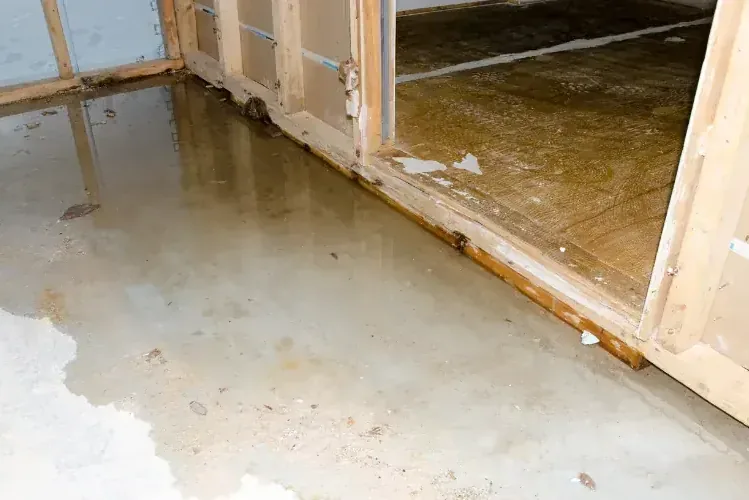
First steps
First steps for storm flood cleanup
- Wait for safe property accessDo not enter rising water or rooms with uncertain electrical conditions. Describe blocked entrances, water depth and visible debris from a safe location when arranging the initial property assessment.
- Separate clean household spaceKeep occupants and pets away from affected walking routes. If safe separation is unavailable, the assessment should address access arrangements before belongings are moved or cleanup equipment enters the building.
- Record the outdoor entry routePhotograph threshold marks, residue and wet boundaries without stepping into unsafe water. Keep those images with notes about when entry began and whether water continues to reach the structure.
- Preserve damaged item detailsMake a record before contaminated items are discarded when safe to do so. Item descriptions and photographs help document the loss without storing wet belongings beside unaffected household contents.
Planning costs
What does storm flood cleanup cost in Westport, NC?
Storm flood cleanup in Westport depends on contamination, debris and how many interior assemblies absorbed outdoor water. These planning ranges distinguish a limited entry area from broader damage requiring more removal, cleaning and drying across connected occupied spaces.
Limited outdoor-water entry
$2,500 to $4,500- Contained entry affecting a smaller interior
- Debris and water removed from surfaces
- Adjacent porous materials assessed for retention
Several contaminated rooms
$4,500 to $8,000- Outdoor water spread through connected spaces
- Additional contents and finishes requiring handling
- Cleaning coordinated across exposed building assemblies
Extensive flood involvement
$8,000 to $12,000+- Broad material contamination and sediment deposits
- Complex access around affected interior areas
- Larger removal and structural drying scope
Estimate only. The water damage cost calculator shows how wet area, contamination and material choices affect the planning range.
Measured work
The storm flood cleanup process
Define the contaminated footprint
The assessment identifies entry points, water marks and affected contents, establishing which paths and rooms need separation before cleanup moves through the property.
Clear water and unsuitable materials
Extraction and debris handling reduce the immediate burden, while porous layers are assessed for removal according to their condition and exposure to the entering outdoor water.
Clean the exposed surfaces
Accessible retained surfaces receive appropriate cleaning after gross debris is removed, preparing the work area for a drying arrangement suited to the remaining wet building materials.
Track recovery by assembly
Measurements document progress in framing and floor layers, and the final record lists any entry repairs or replacement finishes still needed after the cleanup phase ends.
A receding water level can leave a room that still needs substantial cleanup. Fine debris may remain at wall edges, under furniture and inside floor layers. The condition of the water and the surfaces it contacted determines which materials can be cleaned and which need controlled removal before drying begins.
Start with the route into the building
Graham Creek forms Westport's southern boundary and enters Lake Norman at Graham Creek Cove. Burton Creek reaches into the center of the community. At a damaged property, the assessment records the actual opening or route through which outdoor water entered, then follows the interior spread through rooms and enclosed spaces.
- Photograph residue at thresholds before cleaning changes the original entry pattern.
- Keep wet porous belongings separate from unaffected contents and occupied rooms.
- Check lower wall cavities where sediment has collected against the interior trim.
- Identify shared access routes that cross the contaminated portion of the building.
Handle debris before creating airflow
Drying machines do not remove sediment or make contaminated finishes suitable to retain. Initial work may include water extraction, collection of debris and controlled removal of affected porous layers. Exposed surfaces then receive appropriate cleaning. The remaining assembly can be evaluated for drying after those tasks establish a suitable work area.
Moving water, obscured footing and electrical equipment can make entry unsafe. Residents should remain out of the affected space until access conditions are assessed. Children and pets need a separate dry area. Avoid carrying soaked items through clean rooms or running household fans across dirty surfaces, which can spread material beyond the original damage footprint.
Keep a record of material decisions
Each removal should have a reason tied to contamination, deterioration or access. Photos of water marks and discarded materials help preserve the loss history. After cleaning, measurements identify retained framing and floor layers that still need drying, with the final handoff distinguishing completed cleanup from remaining repairs to the entry route and interior finishes.
Coverage
Storm flood cleanup in Westport
Westport storm water assessments include properties around Graham Creek Cove, Burton Creek and Lake Norman. Report how water entered the building and whether access remains obstructed so the inspection can address the actual interior contamination and material damage.
The same service nearby: storm flood cleanup in Cornelius, Sherrills Ford, Stanley.
Related services
Related water damage services in Westport
01Can floodwater be treated like a supply pipe spill?
Outdoor entry can carry sediment and contaminants into the building. Handling decisions should reflect that exposure, including the condition of porous materials, rather than assume that clear looking water allows ordinary indoor spill cleanup.
02What should happen to wet carpet?
Carpet and its backing need assessment for the water exposure and contamination involved. Surface extraction alone may be insufficient, and controlled removal can be necessary before the underlying floor can be cleaned and dried.
03Should mud dry before it is removed?
Cleanup should address sediment as part of a controlled removal and cleaning sequence. Running fans across dirty surfaces can spread debris, so equipment placement follows preparation of the affected area and assessment of retained materials.
04Do creekside locations determine the cleanup scope?
The scope follows what happened inside the building: entry route, water condition and affected assemblies. Describe those observations so the assessment can focus on the actual damage and the work required at that property.
05Can clean furniture remain beside the wet area?
It may need protection or relocation if cleanup access crosses its position. The goal is to keep unaffected belongings separate from contaminated handling routes while allowing inspection of the wet walls and floor underneath.
06What remains after water and debris are removed?
Retained materials may still hold moisture, and the entry route may need repair. Drying measurements and a clear repair list help distinguish completed cleaning from the structural and finish work that follows.
24/7 water damage response
Make the wet space ready for recovery
Describe the entry route, debris and damaged rooms so cleanup can address contamination before equipment begins drying the retained building materials.