Contaminated water from a drain
Sewage Backup Cleanup in Westport
Wastewater rising through a drain changes how the entire wet area must be handled. Westport sewage backup cleanup starts with restricted access and source coordination, then addresses contaminated contents, porous finishes and the surfaces that remain for drying.
(888) 578-4720Discuss sewage affected rooms and access- Separated work area
- Contaminated material removal
- Cleaning before structural drying
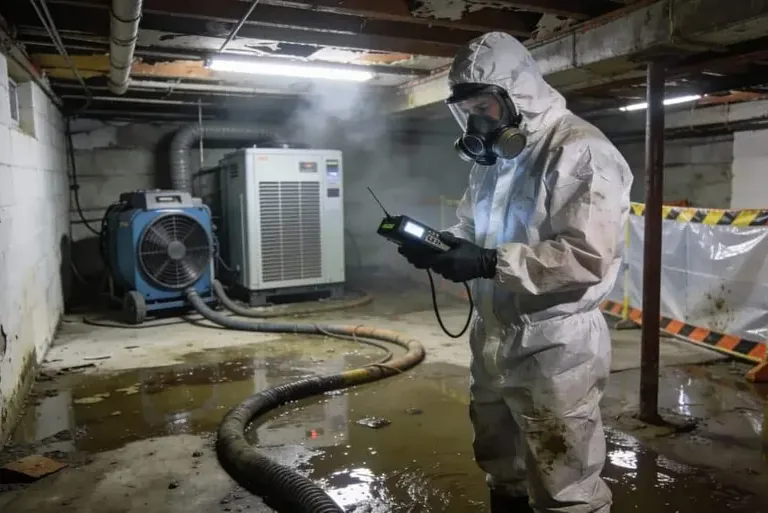
First steps
First steps for sewage backup cleanup
- Restrict affected traffic routesKeep occupants and animals outside the contaminated space. If the backup crosses a shared hallway, describe that access problem before anyone attempts to move belongings through the affected route.
- Limit contributing fixture useAvoid sending more water into the suspect drainage path. Appropriate plumbing or provider assistance should establish the source condition while cleanup planning addresses the wastewater already inside the building.
- Keep contaminated belongings separatedDo not stack wet porous items with dry household contents. Their contact with wastewater and physical condition need assessment before cleaning, disposal or movement through unaffected parts of the property.
- Document without entering exposurePhotographs taken from a safe boundary can show drain locations, water marks and damaged contents. Preserve source repair notes with those images to explain both the backup and the recovery work.
Planning costs
What does sewage backup cleanup cost in Westport, NC?
Sewage backup cleanup in Westport is shaped by contaminated material volume, room separation and access for removal and cleaning. The ranges reflect increasingly broad involvement, while drainage repairs and reconstruction should be identified separately from the restoration work.
Contained contaminated room
$2,000 to $3,500- Limited room with controlled entry access
- Affected surfaces and contents assessed together
- Contained removal followed by appropriate cleaning
Multiple porous assemblies
$3,500 to $6,500- Sewage absorbed into several material layers
- Additional separation for contaminated handling routes
- Exposed structure needing cleaning and drying
Extensive backup spread
$6,500 to $10,000+- Wastewater affecting broad connected interior spaces
- Substantial porous material removal and handling
- Complex access and reconstruction handoff requirements
Estimate only. The water damage cost calculator shows how wet area, contamination and material choices affect the planning range.
Measured work
The sewage backup cleanup process
Establish the exposure boundary
The inspection identifies affected rooms and contact routes, then plans separation so cleanup traffic and contaminated material handling avoid crossing unaffected household space.
Remove wastewater and unsuitable layers
Controlled extraction and material removal address the bulk contamination, with the scope documenting why each affected porous component requires disposal or further evaluation before it can remain.
Clean the retained assembly
Accessible surfaces are treated through an appropriate cleaning sequence after gross contamination is removed, allowing the remaining structure to be evaluated without debris concealing its condition or blocking access.
Document drying and repair needs
Moisture checks track retained materials, while the completion record distinguishes drainage correction, completed cleaning and the finish replacement still needed to return the affected interior to use.
A drain backup can contaminate a path well beyond the point where wastewater first appeared. Shoes, soaked belongings and hurried cleaning attempts can carry residue into previously dry rooms. Establishing a controlled boundary gives the cleanup a defined work area and helps protect the rest of the household while the source is addressed.
Keep the drainage problem connected to the cleanup
Lincoln County Public Utilities Division operates the county public water and sewer systems. In Westport, the property's actual provider and plumbing arrangement determine who handles the source issue. Locations around Graham Creek, Burton Creek and Lake Norman still need an individual assessment of the drain, the affected rooms and the route wastewater followed indoors.
- Stop using fixtures that could feed the affected drainage path until assessed.
- Keep children's items and pet bedding away from contaminated handling routes.
- Photograph damaged porous contents before disposal when safe access permits documentation.
- Identify floor cavities and wall edges where wastewater may have become trapped.
Decide what can remain before equipment runs
Porous finishes that absorbed sewage need different consideration from exposed, cleanable structural surfaces. Removal decisions depend on contact, condition and practical access for cleaning. The written scope should explain those decisions so a homeowner understands why a visually intact layer may still need removal from the affected assembly.
Household fans can distribute contamination when aimed across sewage affected surfaces. Residents should stay out and avoid using ordinary cleaning equipment to move wastewater through the home. The work area needs appropriate separation and handling arrangements before drying starts. Any wet electrical equipment or unstable flooring adds another reason to keep entry restricted until the conditions are assessed.
Make the repair handoff understandable
After gross contamination and unsuitable layers are removed, cleaning prepares retained surfaces for moisture assessment and drying. Records should identify where sewage reached, what was removed and what remains. The final handoff can then distinguish completed cleaning from drainage repair, continuing drying needs and the reconstruction required to restore the damaged interior.
Coverage
Sewage backup cleanup in Westport
Sewage cleanup assessments cover Westport properties throughout the Graham Creek, Burton Creek and Lake Norman setting. Explain which drain backed up, whether wastewater still enters and how the contaminated area affects access to the rest of the property.
The same service nearby: sewage backup cleanup in Cornelius, Sherrills Ford, Stanley.
Related services
Related water damage services in Westport
Questions
Sewage Backup Cleanup questions in Westport
(888) 578-4720Discuss contaminated access and removal01Should residents clean a sewage backup with household equipment?
Residents should keep clear of the contaminated area and avoid moving wastewater through clean rooms. Appropriate containment, material handling and cleaning are needed, with electrical and access conditions assessed before equipment enters the space.
02Does stopping the blocked drain finish the problem?
Drain correction prevents further entry but leaves the existing contamination and absorbed moisture to address. Cleanup must assess every contacted surface and porous layer before cleaning, drying and eventual reconstruction can be considered complete.
03Can an intact floor covering still need removal?
Yes. Its exposed appearance may hide contaminated backing or an inaccessible layer underneath. The decision depends on sewage contact and whether the full affected assembly can be cleaned and dried appropriately while the covering remains.
04What should happen to nearby clean belongings?
Protect them from cleanup traffic and contaminated handling routes. Safe relocation may be useful before work begins, but it should avoid carrying items across wastewater or placing clean contents beside affected porous materials awaiting assessment.
05Can odor alone show whether cleaning is complete?
Odor is only one observation and cannot describe every contaminated contact surface. Completion should follow the removal and cleaning scope, material conditions and drying findings recorded for the affected assembly throughout the property.
06Who should address the wastewater source?
The property's plumbing arrangement and actual service provider determine the appropriate contact. Source findings should be shared with the cleanup assessment so continuing entry is resolved and the interior recovery scope matches the backup that occurred.
24/7 water damage response
Plan recovery around the wastewater path
Describe the drain, affected materials and access restrictions so the cleanup assessment can organize safe separation, removal, cleaning and subsequent drying.