Pooled water and wet surfaces
Water Extraction in Westport
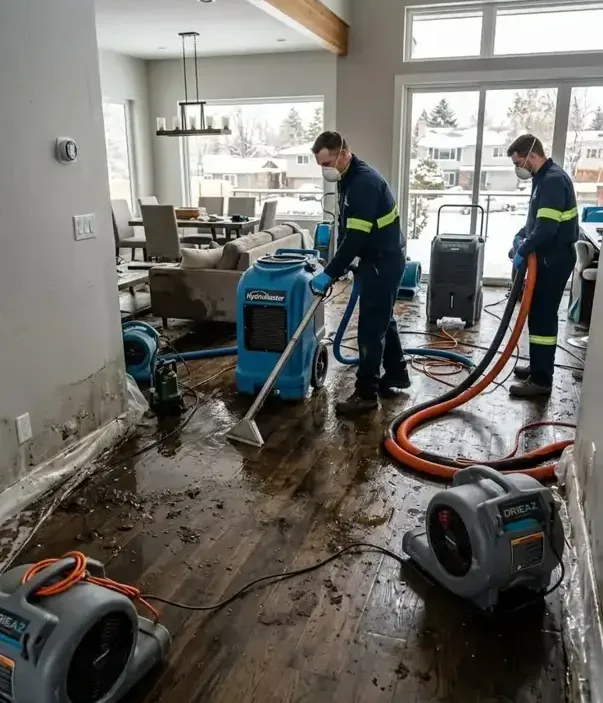
Standing water keeps feeding moisture into floor joints and wall bases until it is removed. In Westport, extraction begins with safe access and source identification, followed by attention to the materials beneath the puddle.
(888) 578-4720Arrange removal of pooled water- Standing water removal
- Wet edge inspection
- Floor layer assessment
First steps
First steps for water extraction
- Avoid the pooled areaKeep people out when electrical hazards or contamination are possible. Describe the water's depth and location from safe footing rather than stepping through it to inspect furniture.
- Identify any continuing supplyIf a readily accessible valve can be reached safely, stopping an active plumbing release limits additional spread. Otherwise, arrange source control before entering the affected area.
- Protect dry routesChoose a route that avoids the wet floor for occupants and belongings. Moving dripping objects across clean carpet can enlarge the cleanup area and complicate the work.
- Preserve the first viewTake photographs before water removal when safe, showing the source area and boundaries. Note which rooms connected through the standing water and any changes since discovery.
Planning costs
What does water extraction cost in Westport, NC?
Water extraction in Westport varies with the amount of standing water, the surfaces involved and its contamination level. These ranges help frame the removal scope, while concealed moisture and required drying can add work after extraction.
One accessible room
$800 to $1,500- Water accessible across a limited surface
- Floor edges checked after initial removal
- Simple access around affected household contents
Several wet rooms
$1,500 to $3,000- Connected spaces holding additional pooled water
- Separate surfaces needing different extraction methods
- Broader mapping of remaining damp materials
Deep or contaminated water
$3,000 to $4,500+- Removal affected by depth or contamination
- Controlled handling of water and debris
- Restricted areas needing additional protective measures
Estimate only. The water damage cost calculator shows how wet area, contamination and material choices affect the planning range.
Measured work
The water extraction process
Assess the collection points
The inspection identifies where water has accumulated, whether the release continues and which floor materials require separate handling before equipment is brought inside.
Extract accessible liquid
Removal equipment works across the affected surfaces, with attention to corners, transitions and areas where furniture or fixtures interrupt direct access to pooled water.
Check absorbed moisture
Floor backing and wall bases are measured after extraction so the remaining wet footprint can be distinguished from the original visible water boundary.
Set the drying scope
The resulting record identifies materials to dry, items needing removal and the equipment arrangement needed to continue recovery after the standing water is gone.
A wet hallway can collect water released in a completely different room. Before a wand reaches the floor, the inspection follows the flow back toward its source and checks for electrical hazards. Removing visible water matters, but it is only the beginning of restoring a usable space.
Follow the water beyond its deepest point
Westport lies beside Lake Norman, with Graham Creek at its southern boundary and Burton Creek reaching into the community. At the affected home, the practical question is how water entered and where it traveled. An overflowing appliance and outdoor intrusion require different handling even when the puddles look similar.
- Closet thresholds may conceal moisture beyond the room where water first collected.
- Flooring joints can channel liquid toward backing that cannot be seen directly.
- Furniture bases may hold wet material against finishes after the floor is cleared.
- Wall bottoms need measurements when water has stood against trim or panel edges.
Match removal to the exposed material
Hard surfaces, carpet and layered floors respond differently to extraction. A technician selects an appropriate removal method and checks whether underlying materials remain accessible for drying. Saturated padding or deteriorated backing may need removal, while sound material may remain when its condition and the water source permit.
Standing water beside an outlet, appliance cord or electrical panel makes casual entry unsafe. Residents should stay outside that area and avoid plugging in household equipment nearby. Power isolation requires safe access and appropriate help. Water containing sewage or outdoor debris also needs controlled handling before anyone carries wet objects through clean rooms.
Finish extraction with a moisture map
After the visible pools disappear, damp borders are marked and checked. The map connects the original release to the remaining wet assemblies and establishes where drying equipment belongs. Photographs and readings provide a starting record so later checks can show progress beneath the surface as well as across the exposed floor.
Coverage
Water extraction in Westport
Water removal serves Westport properties across the Lake Norman setting, including locations identified by Graham Creek or Burton Creek. Describe the wet rooms, water source and any access hazards when arranging the property's initial assessment.
The same service nearby: water extraction in Cornelius, Sherrills Ford, Stanley.
Related services
Related water damage services in Westport
01Can extraction alone finish a small leak cleanup?
Sometimes little absorbed moisture remains, but that needs checking. Floor backing and wall edges can stay wet after the puddle disappears, requiring a separate drying plan before finishes are repaired.
02Should furniture stay on a wet floor?
Furniture contact points deserve inspection because they may retain moisture or mark the surface. Safe lifting or protection depends on item weight, contamination and the condition of the floor underneath.
03Does clear water always allow ordinary handling?
The assessment traces the water source, records the materials it touched and checks how long it remained indoors. Those details determine containment and safe access before extraction equipment enters the wet area.
04What happens under a wet carpet?
Backing and padding need separate evaluation. Extraction from the face may leave moisture underneath, and the water source or condition of those layers can make controlled removal necessary before further drying.
05Can a household vacuum remove the water?
Ordinary household vacuums are unsuitable for standing water. Electrical conditions and contamination also affect safe removal, so residents should avoid improvised equipment in a wet area and arrange an appropriate assessment.
06What information helps with the first call?
Explain whether water still enters, how many connected rooms appear wet and whether electrical equipment is nearby. Photographs taken safely can also help describe the affected surfaces and access limitations.
24/7 water damage response
Clear the water, then check beneath
A moisture assessment after extraction helps identify damp floor layers and wall edges that still require drying before repairs begin.