Water beneath an accessible floor assembly
Westport Crawl Space Water Removal
Water beneath a home can leave insulation hanging and framing damp long after the source stops. Where a Westport property has a crawl space, removal begins with an entry assessment and a plan for both pooled water and wet underfloor materials.
(888) 578-4720Discuss the underfloor water and access- Restricted entry assessment
- Underfloor water removal
- Framing and insulation checks
First steps
First steps for crawl space water removal
- Describe the opening from outsideReport where access is available and whether debris or stored items block it. Avoid entering to estimate water depth or inspect wiring when the space contains standing water or uncertain footing.
- Identify any known active sourceExplain whether a plumbing leak was found or water continues to collect after the source was addressed. Keep repair findings available so the assessment can separate ongoing entry from residual underfloor moisture.
- Keep household equipment outDo not place portable fans, heaters or extension cords into the wet space. Appropriate entry and electrical conditions need assessment before removal equipment or drying machines are arranged beneath the occupied floor.
- Plan for affected insulation handlingHanging or wet insulation may need removal before framing can be inspected. Keep the area around the access opening clear enough for controlled material handling without placing contaminated debris near clean household contents.
Planning costs
What does crawl space water removal cost in Westport, NC?
Crawl space water removal costs in Westport depend on entry restrictions, the amount of collected water and the condition of underfloor materials. Wet insulation and contamination can expand the work beyond pumping, while source repairs require a separate clearly stated scope.
Accessible underfloor water
$1,500 to $3,000- Usable entry with limited collection areas
- Standing water reachable by suitable equipment
- Nearby framing assessed after initial removal
Wet insulation and wider spread
$3,000 to $5,000- Saturated insulation obstructing underfloor material checks
- Water affecting a broader concealed footprint
- Additional handling and targeted framing drying
Restricted or contaminated space
$5,000 to $7,000+- Entry conditions complicating safe equipment access
- Contamination requiring controlled removal and cleaning
- More extensive preparation beneath occupied rooms
Estimate only. The water damage cost calculator shows how wet area, contamination and material choices affect the planning range.
Measured work
The crawl space water removal process
Assess entry and concealed hazards
The opening, movement space and electrical conditions are considered before entry. The removal method accounts for the underfloor layout and the condition of collected water.
Remove collected water from low areas
Appropriate equipment addresses accessible pools while the inspection checks for continuing entry, helping distinguish water that remains after removal from a source still feeding the space.
Expose wet underfloor materials
Insulation and other obstructing layers are assessed for retention or removal so joists and floor backing can receive measurements, cleaning where needed and a suitable drying arrangement.
Record conditions before closure
The handoff records drying findings, insulation replacement and source repairs, distinguishing successful pumping from a fully addressed underfloor assembly.
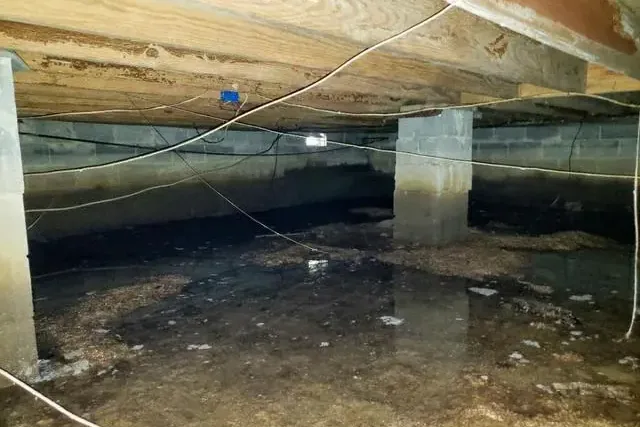
An underfloor puddle can be difficult to judge from the access opening. Low areas may hold more water beyond view, while insulation hides wet framing above. A suitable assessment first establishes whether entry is practical and safe, then maps the water and materials that need attention beneath the occupied rooms.
Plan the approach from the access opening
Westport lies along coves on Lake Norman's western shore, with Graham Creek at the southern boundary and Burton Creek extending toward its center. For a building that has a crawl space, the inspection depends on the actual opening, obstructions, plumbing and electrical conditions below the floor. Those details determine how removal can proceed.
- Standing water can conceal debris and uneven footing below the access route.
- Wet insulation may sag against surfaces or block inspection of nearby joists.
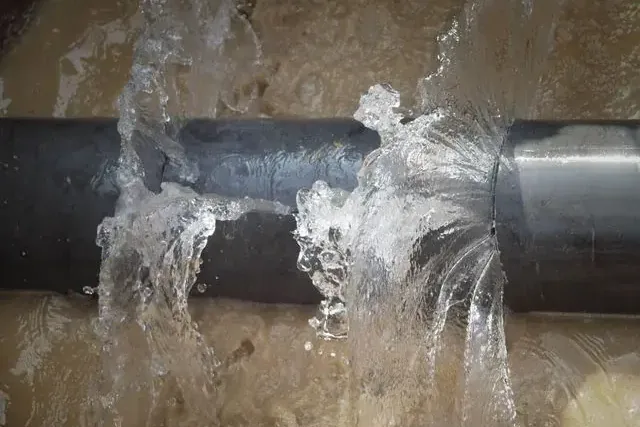
- Plumbing releases can continue adding water beyond the visible collection point.
- The underside of floor backing may stay damp after pooling is removed.
Remove water without overlooking the assembly above
Water removal exposes more of the space but does not complete the material assessment. Insulation that is saturated or contaminated needs an appropriate handling decision. Retained joists and floor backing require measurements and access for drying, including locations beyond the deepest pool where a plumbing spray or lateral spread affected surfaces above.
Residents should avoid entering standing water beneath the home or bringing household electrical equipment into that environment. Restricted movement, concealed debris and wet wiring can make retreat difficult. Describe the access opening and visible conditions from outside. Appropriate assessment should establish the entry method and equipment arrangement before anyone goes beneath the occupied floor.
Address recurrence alongside the remaining moisture
A corrected plumbing leak or other source repair should be recorded before the space is considered ready to close. Drying checks then show the condition of retained underfloor materials. The final scope needs to distinguish water removal, insulation replacement and any separate work required to keep the original entry mechanism from continuing during recovery.
Coverage
Crawl space water removal in Westport
Underfloor water assessments serve Westport buildings with crawl spaces around Lake Norman, Graham Creek and Burton Creek. Describe the access opening, visible pooling and any known plumbing release so entry and removal can be planned for the actual structure.
The same service nearby: crawl space water removal in Cornelius, Sherrills Ford, Stanley.
Related services
Related water damage services in Westport
Questions
Crawl Space Water Removal questions in Westport
(888) 578-4720Discuss the water beneath the floor01Should the homeowner enter to locate the deepest water?
Residents should stay outside a wet crawl space until entry conditions are assessed. Water can conceal debris, wiring and difficult footing, while restricted movement may make it hard to leave an unsafe area once inside.
02Does pumping finish the underfloor cleanup?
Pumping removes collected liquid, but insulation, joists and floor backing may remain wet. Those materials need inspection and appropriate drying, with contamination or deterioration affecting whether some layers must be removed before recovery continues.
03Can wet insulation remain beneath the floor?
Its condition, exposure and effect on drying access determine the decision. Saturated or unsuitable insulation may need removal so retained framing can be inspected, cleaned when necessary and measured through the drying process.
04What if water returns after the first removal?
The source condition needs reassessment. A continuing plumbing release or another entry route can refill the area, so the work record should distinguish new water entry from moisture still leaving previously soaked materials.
05Will the floor above also need checking?
The underside of backing and nearby joists can be affected by water or wet insulation below. Where measurements or visible changes indicate spread, the assessment should consider the connected floor assembly rather than only the pool.
06What information helps plan a visit beneath the home?
Describe the opening, visible obstacles, electrical concerns and known source repairs from a safe position. Details about hanging insulation or restricted movement help the assessor plan suitable access and material handling before underfloor work starts.
24/7 water damage response
Plan access before underfloor removal begins
Describe the opening and visible conditions so the assessment can connect safe entry, water removal and drying of the materials beneath the occupied rooms.