Sewage inside occupied space
Sherrills Ford Sewage Backup Cleanup
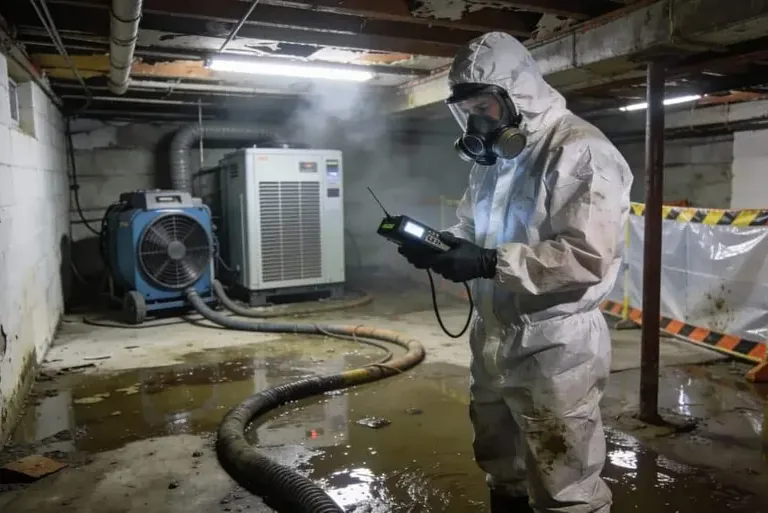
Wastewater rising through a fixture creates a contact area that needs controlled handling. Cleanup isolates that area, removes unsuitable porous materials and cleans retained surfaces while the drainage cause receives separate investigation and repair before normal use resumes.
(888) 578-4720Discuss the wastewater contact area- Restricted cleanup boundary
- Porous material removal
- Drainage repair coordination
First steps
First steps for sewage backup cleanup
- Restrict the contaminated spaceKeep occupants and pets outside the affected rooms and removal route. Clear boundaries help prevent wastewater reaching usable household spaces.
- Pause fixtures linked to backupReport which drains released wastewater and whether running water elsewhere made conditions worse. Appropriate plumbing assessment needs that information to establish the cause and avoid repeated discharge during the planned cleanup work.
- Identify contents without relocating themPhotographs and descriptions can record exposed belongings from a safe position. Items that contacted wastewater should remain separated until their cleaning or disposal needs and a suitable removal route have been established.
- Plan an uncontaminated access routeExplain which doors and rooms remain dry and usable. Cleanup arrangements need room for controlled handling, equipment and disposal without moving contaminated materials through essential living areas when another safe route is available.
Planning costs
What does sewage backup cleanup cost in Sherrills Ford, NC?
Sewage cleanup in Sherrills Ford is priced around the contact area, porous material loss and difficulty of controlled access. The following ranges concern restoration; the drainage repair and rebuilding scope need separate explanation within the project plan.
Contained contaminated room
$2,000 to $3,500- Wastewater limited to one accessible area
- Removal of contacted unsuitable porous finishes
- Cleaning of the exposed retained surfaces
Multiple porous assemblies
$3,500 to $6,500- Exposure within floors and lower walls
- Separate handling for several material types
- Expanded cleaning before structural drying begins
Extensive backup spread
$6,500 to $10,000+- Contamination crossing numerous interior room boundaries
- Greater contents and disposal handling requirements
- More complex separation of clean areas
Estimate only. The water damage cost calculator shows how wet area, contamination and material choices affect the planning range.
Measured work
The sewage backup cleanup process
Establish a controlled working area
The assessment maps wastewater contact and chooses removal access, separating affected rooms from clean areas while the drainage problem is referred for appropriate source investigation and repair.
Remove water and exposed losses
Extraction and controlled material removal address liquid and unsuitable porous components. Newly exposed recesses are checked so contamination hidden behind finishes remains part of the cleanup scope.
Clean suitable remaining surfaces
Retainable hard surfaces receive appropriate cleaning after debris removal. Attention extends to lower wall recesses and floor joints where wastewater may have collected beyond the original visible pool.
Dry and document the retained assembly
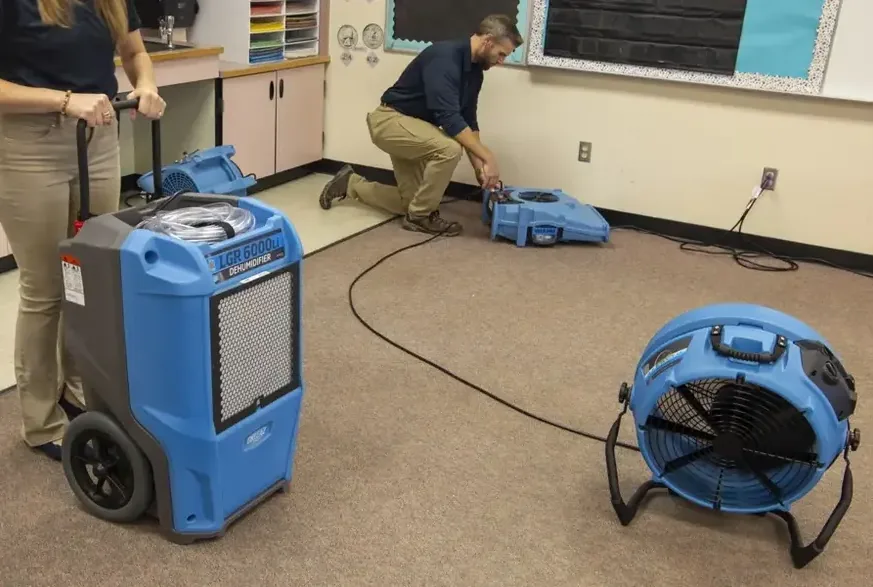
Equipment serves the cleaned structure while readings track drying. The final record identifies replacement needs and remaining restrictions on normal access.
A backup in Sherrills Ford needs attention to every surface wastewater contacted, not just the fixture where it emerged. Shoes, wet belongings and cleanup equipment can carry exposure beyond the initial room. Establishing a restricted work area helps keep the removal route separate from clean household space.
Start with the affected drain and contact path
Terrell neighbors the community, and Monbo and Long Island are included in the broader Lake Norman of Catawba area. At the affected property, the drainage connection must be established individually. The cleanup plan follows observed wastewater movement while the plumbing assessment determines why the backup occurred.
- Identify which fixtures or drains released water into the building.
- Describe any use elsewhere that appeared to worsen the backup.
- Mark contacted belongings without carrying them into clean occupied rooms.
- Keep access routes clear for controlled removal of affected materials.
Open contaminated layers that surface cleaning cannot reach
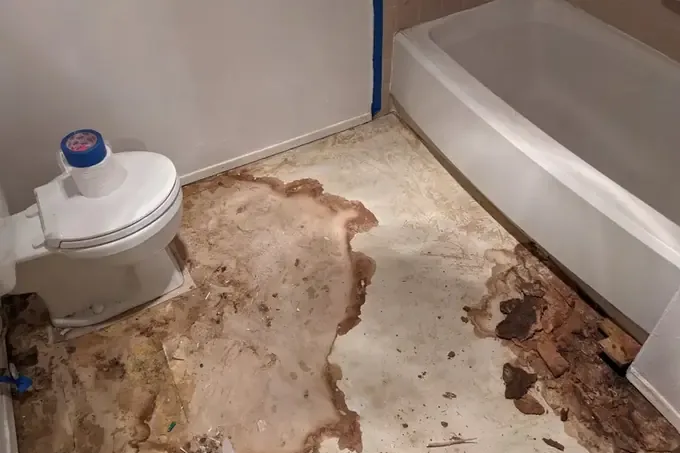
Porous wall backing, carpet padding and insulation can hold contaminated water within the assembly. Their condition and exposure determine removal needs. Suitable hard surfaces receive cleaning after extraction and debris handling, with work extending into recesses where wastewater collected beneath fixtures or behind lower wall finishes.
Occupants and pets should remain clear of the affected rooms. Avoid using fixtures that cause additional backup, and do not direct household fans across contaminated surfaces. Wet electrical equipment also requires safe isolation. Professional cleanup needs appropriate protective handling, while drainage repair addresses the source before the building returns to ordinary use through the affected area.
Dry after the retained structure is cleaned
Drying is a separate stage after the removal and cleaning decisions have exposed suitable retained components. Readings then track moisture in backing and framing that can remain. Toilet overflow assessment may identify a contained fixture loss, while a broader backup requires a cleanup boundary that follows all observed contact through the connected rooms.
Coverage
Sewage backup cleanup in Sherrills Ford
For Sherrills Ford wastewater cleanup, provide the affected property location and known drainage connection details. Details about the releasing fixtures, contacted rooms and a dry entrance help the team plan containment and a safe route into the affected property.
The same service nearby: sewage backup cleanup in Cornelius, Westport, Stanley.
Water damage restoration in Sherrills Ford · every town covered
Related services
Related water damage services in Sherrills Ford
Questions
Sewage Backup Cleanup questions in Sherrills Ford
(888) 578-4720Explain the releasing drains01Does every property have the same wastewater connection?
The connection needs to be identified for the affected property. Knowing the actual arrangement helps the appropriate repair professional investigate the backup, while restoration follows wastewater contact inside the building regardless of the connection type.
02Can sewage contacted carpet simply be dried?
Contamination changes retention decisions for porous flooring and backing. The assessment considers whether materials can be effectively cleaned, with unsuitable layers removed before the retained structure receives cleaning and a measured drying plan.
03Should fans run while wastewater is still present?
Air movement should wait for the controlled cleanup assessment. Directing air across contaminated water or porous materials can spread exposure, so removal and cleaning need to establish suitable conditions before the drying stage begins.
04What if water appears from several drains?
Describe every affected fixture and stop uses that worsen the backup. Multiple release points can expand both the plumbing investigation and the indoor contact boundary, requiring checks beyond the room with the largest visible pool.
05How are belongings moved out of a contaminated room?
Handling depends on exposure, cleanability and the removal route. Contacted items should stay separated from dry contents, with cleaning or disposal decisions made before movement spreads wastewater onto unaffected surfaces elsewhere in the building.
06What determines readiness for replacement materials?
The drainage problem needs attention and retained surfaces need appropriate cleaning and drying. Assessment of material condition and moisture supports reconstruction decisions, with the removed porous components identified so repair work can restore the affected assembly.
24/7 water damage response
Separate the backup from clean living spaces
Describe the drains, contacted materials and dry entrances so cleanup can follow the wastewater path with appropriate access and handling.