Moisture inside retained building materials
Structural Drying in Westport
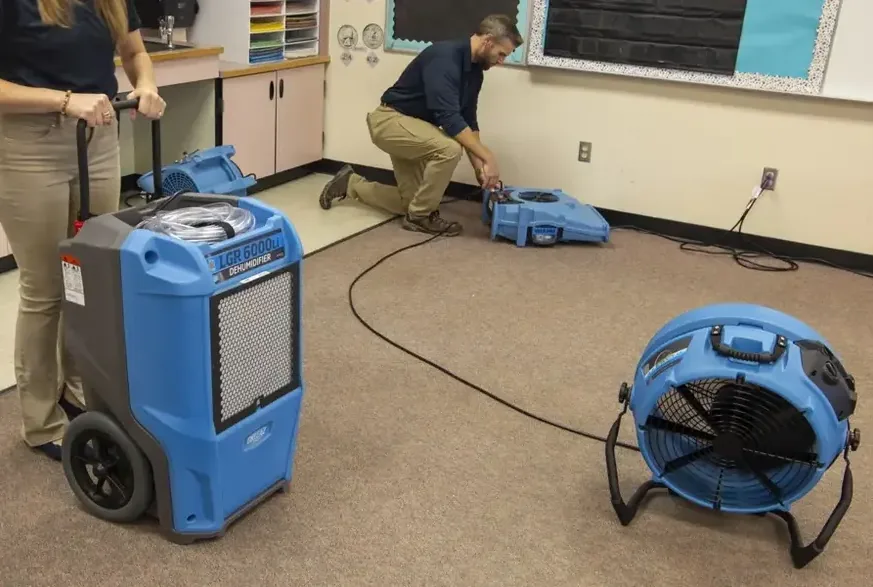
A room can look restored while damp framing remains behind its finishes. Structural drying in Westport uses material readings and controlled equipment placement to reduce retained moisture, with adjustments based on how each part of the affected assembly responds.
(888) 578-4720Discuss the materials that remain damp- Measured material progress
- Controlled moisture removal
- Documented repair readiness
First steps
First steps for structural drying
- Describe what has already been removedTell the assessor about extraction, opened walls and source repairs completed before the drying visit. Those details help distinguish remaining absorbed moisture from areas that still require preliminary cleanup or access.
- Identify occupied pathwaysExplain which doors, rooms and household routes need continued use. Equipment can then be planned around safe access while still reaching the wet assemblies that require controlled air movement and moisture removal.
- Keep operating conditions consistentAvoid moving machines or changing the planned room separation without coordination. Report concerns about heat, noise or household access so adjustments can preserve both usability and the intended drying conditions.
- Request a clear material handoffBefore finishes are replaced, the work record should identify measured materials and any remaining repair needs. The household should understand what dried successfully and which components still require replacement or further assessment.
Planning costs
What does structural drying cost in Westport, NC?
Structural drying costs in Westport reflect the size and accessibility of the wet assembly, equipment requirements and the material's response over repeated checks. Dense or enclosed layers can need more work than a small exposed area, even after visible water is gone.
Small accessible assembly
$1,000 to $2,000- Limited retained material with direct access
- Focused air movement and moisture removal
- Initial readings compared through followup checks
Several connected rooms
$2,000 to $4,000- Equipment distributed through a broader footprint
- Different materials needing comparable measurement locations
- Access maintained around occupied household pathways
Dense or concealed materials
$4,000 to $6,000+- Restricted moisture release requiring access changes
- Deeper layers responding at different rates
- More involved monitoring and equipment adjustments
Estimate only. The water damage cost calculator shows how wet area, contamination and material choices affect the planning range.
Measured work
The structural drying process
Establish the wet material inventory
The inspection records which retained assemblies are affected and selects useful measurement locations, creating a starting point that later checks can compare under documented operating conditions.
Arrange the controlled environment
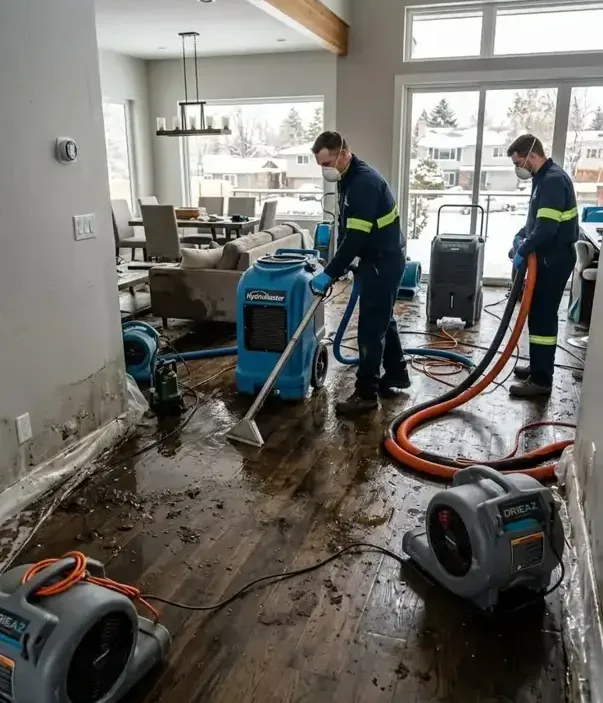
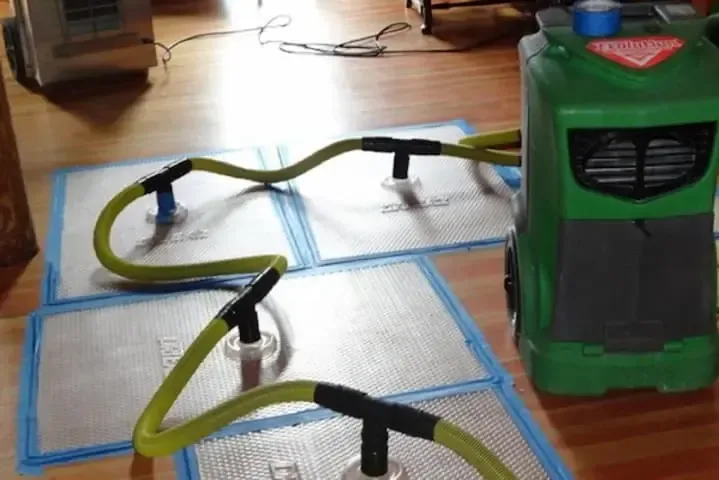
Air movement and moisture removal are arranged around exposed materials, room separation and electrical access. The setup also preserves pathways for occupants and monitoring visits.
Adjust according to measured response
Readings show whether the setup is working across the full wet footprint. Slow or uneven progress prompts assessment of access, equipment placement or a source that may still be active.
Document material endpoints
Completion notes explain retained material conditions and outstanding repairs, linking reconstruction to measured readiness instead of the room's appearance.
The drying question is specific: which materials still hold excess moisture, and can that moisture leave through the available surfaces? A general impression that the room feels comfortable cannot answer it. The initial record should identify wet framing, panels or floor layers and establish where meaningful followup measurements will be taken.
Give each affected assembly a measurable starting point
The 2020 census counted 2,293 housing units in Westport. The community extends beside Lake Norman, with Graham Creek along the southern boundary and Burton Creek reaching inward. Drying a particular home begins with its actual construction and wet footprint, from an exposed wall cavity to backing beneath a retained floor covering.
- Comparable measurement locations make changes easier to interpret during equipment adjustments.
- A dry reference area can help establish the goal for similar material.
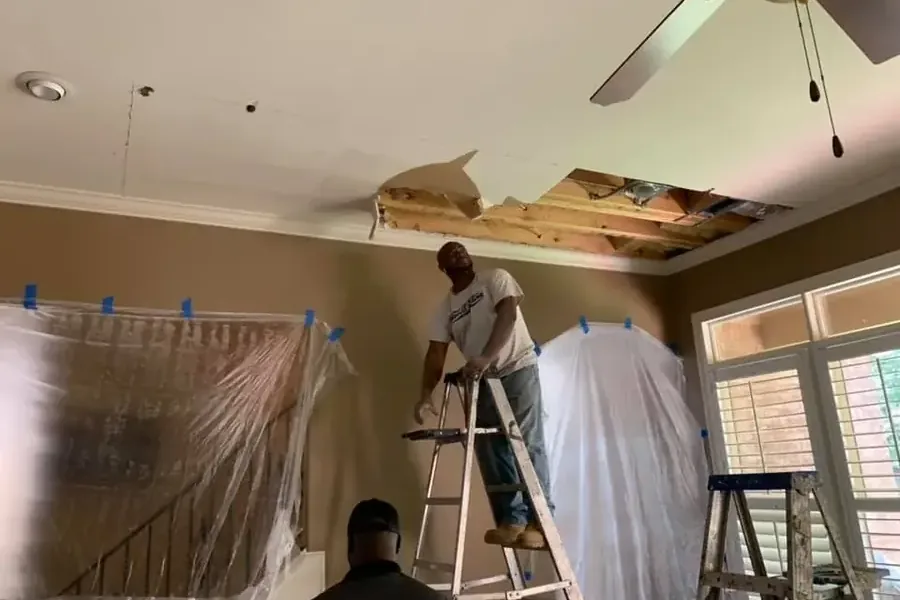
- Enclosed layers need access if moisture cannot leave through existing surfaces effectively.
- Continued leakage must be separated from slow moisture release within dense material.
Balance airflow with removal from the room
Air movement encourages moisture to leave exposed surfaces, while dehumidification manages the moisture entering the surrounding air. Both depend on a suitable arrangement for the building and its contents. Changing doors, equipment positions or operating conditions without coordination can affect the plan and make successive readings harder to interpret.
Drying equipment needs safe electrical arrangements and clear access for monitoring. Residents should avoid moving machines, disconnecting hoses or covering intakes with household items. Report unusual noise, water accumulation or an access problem so the arrangement can be assessed. Any contaminated materials need appropriate removal and cleaning before airflow is directed across the remaining assembly.
Use the readings to decide what happens next
A material that stops improving may need different access, equipment placement or investigation for renewed water entry. The work record should explain those changes. Completion connects suitable material conditions to the next repair stage, identifying remaining finish replacement instead of using the removal of equipment as the only sign that the space is ready.
Coverage
Structural drying in Westport
Structural drying serves Westport buildings across the Lake Norman, Graham Creek and Burton Creek setting. Describe which walls or floors remain damp, what source work is complete and whether the household needs access through the affected rooms during recovery.
The same service nearby: structural drying in Cornelius, Sherrills Ford, Stanley.
Related services
Related water damage services in Westport
Questions
Structural Drying questions in Westport
(888) 578-4720Discuss the remaining material moisture01Why does drying continue after the floor looks normal?
Visible water and absorbed moisture are different conditions. A surface can appear dry while backing, framing or an enclosed layer remains damp, so material measurements determine whether the affected assembly still needs controlled drying.
02Can every wet assembly dry without opening it?
Access depends on the construction and the route moisture can take out of it. Some retained materials respond through exposed surfaces, while enclosed layers may need selective opening to make practical drying and measurement possible.
03What makes repeated readings useful?
Comparable readings show change at the same affected locations and help identify stalled progress. They also document why equipment moved or access changed, making the drying history clearer for the homeowner and later repair work.
04Should windows stay open during equipment operation?
Room conditions are part of the selected drying approach. Changing ventilation without coordination can alter moisture removal, so questions about comfort or airflow should be discussed before changing the setup around operating equipment.
05Does a larger machine always finish sooner?
Equipment needs to suit the materials, space and available access. More capacity alone cannot solve an enclosed wet pocket or an active leak, which is why measurements and source checks remain central to the plan.
06What indicates readiness for reconstruction?
Retained materials should reach appropriate conditions for the planned repair, with findings recorded for the affected assembly. The handoff should also identify damaged finishes that need replacement and any source work still requiring completion.
24/7 water damage response
Connect drying progress to the repair plan
Describe the wet assemblies and completed source work so equipment and measurements can focus on the materials that still need attention before reconstruction.