Water beneath a raised floor
Sherrills Ford Crawl Space Water Removal
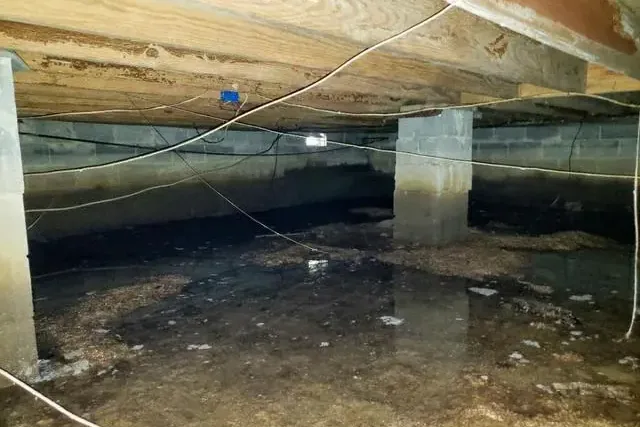
Where a home has a crawl space, standing water can wet insulation and the underside of the occupied floor. Removal needs a safe entry plan, an understanding of the source and followup checks of the materials left above the ground.
(888) 578-4720Assess the wet space beneath home- Restricted access assessment
- Underfloor insulation checks
- Framing drying followup
First steps
First steps for crawl space water removal
- Observe only from the access openingReport visible water, hanging insulation and obstructions from outside the opening. Professional assessment establishes safe entry beneath the affected floor.
- Explain the suspected source patternNote whether water appeared after an indoor leak or was noticed during rainfall. The inspection needs to establish the actual source and whether it remains active before the removal plan can prevent the space refilling.
- Keep exterior access practicalClear dry lightweight items around the entrance when safe, leaving damaged or wet obstructions for assessed handling. Equipment and removed materials need a workable route that does not block household access or carry contamination inside.
- Include the floor above in discussionReports of damp flooring or unusual movement upstairs help the assessor identify areas that need closer inspection beneath the room. The assessment can connect underfloor moisture with the condition of insulation, backing and retained framing beneath that room.
Planning costs
What does crawl space water removal cost in Sherrills Ford, NC?
Crawl space restoration in Sherrills Ford depends on clearance, water source, insulation loss and access to retained framing. These ranges describe underfloor cleanup conditions; plumbing repairs, drainage changes and reconstruction should be distinguished from removal and drying in the proposal.
Accessible underfloor water
$1,500 to $3,000- Reachable pooling beneath an accessible opening
- Limited obstruction along the removal route
- Initial checks of the overhead assembly
Wet insulation and wider spread
$3,000 to $5,000- Saturated insulation across the underfloor area
- Additional handling before exposed framing dries
- Broader moisture checks beneath occupied rooms
Restricted or contaminated space
$5,000 to $7,000+- Difficult clearance or contaminated water contact
- More complex protective access and removals
- Separate cleaning before retained materials dry
Estimate only. The water damage cost calculator shows how wet area, contamination and material choices affect the planning range.
Measured work
The crawl space water removal process
Assess access and the source
Inspection establishes safe entry conditions and the water source, documenting clearance, electrical exposure and the overhead materials before choosing equipment positions beneath the affected floor.
Remove the accessible standing water
Pumping and extraction address the liquid under the building. The removal route and handling arrangement account for contamination and the limited space available to move equipment and affected materials.
Expose affected overhead components
Insulation and other unsuitable layers receive removal decisions. Retained framing and floor backing are checked directly so the drying plan can reach surfaces that were previously concealed above the pool.
Track the underfloor drying condition
Measurements track retained moisture and renewed entry, identifying repairs before insulation returns.
Water visible through a crawl space opening in Sherrills Ford deserves assessment before anyone enters. The pool may sit below wet insulation or contact the underside of the floor. Pumping clears accessible liquid, while restoration also checks the materials overhead and establishes why water collected beneath the building.
Describe the opening before the interior
Mountain Creek Park and Sherrills Ford Elementary School are useful landmarks when arranging a property visit. For underfloor work, the practical details include the location of the access opening and what is visible from outside it. A narrow or obstructed entrance changes the equipment and handling arrangement.
- Identify the access opening without crawling through standing water.
- Report hanging insulation or visible damage beneath the occupied floor.
- Describe known plumbing releases that could feed the underfloor pool.
- Keep the opening clear of stored items for professional assessment.
Connect pumping with the moisture above it
The broader Lake Norman of Catawba area includes shoreline residential development. At a home with a crawl space, inspection follows the actual underfloor assembly. Saturated insulation can remain pressed against backing after water removal, and wood surfaces may need drying access that the existing enclosure does not provide.
Limited clearance can make electrical exposure, unstable footing and contaminated water harder to recognize or escape. A homeowner should stay outside the crawl space and report visible conditions from the opening. Safe access, source control and appropriate handling must be established before pumping or insulation removal begins, with structural concerns assessed before workers move beneath affected framing.
Check the retained assembly after the pool is gone
Removal of unsuitable wet insulation can expose framing and floor backing for assessment. The drying arrangement then addresses those retained surfaces, with readings showing whether moisture remains near the occupied floor. Sewage backup cleanup may be required if wastewater entered the space, while the source repair needs to prevent renewed collection during the restoration work.
Coverage
Crawl space water removal in Sherrills Ford
Sherrills Ford is an unincorporated Catawba County community. When requesting underfloor water removal, confirm that the property has a crawl space and describe the access opening, visible water and any known plumbing issue affecting the space beneath the home.
The same service nearby: crawl space water removal in Cornelius, Westport, Stanley.
Water damage restoration in Sherrills Ford · every town covered
Related services
Related water damage services in Sherrills Ford
Questions
Crawl Space Water Removal questions in Sherrills Ford
(888) 578-4720Describe the crawl space opening01Is removing the standing water the entire underfloor job?
Pumping removes liquid, but insulation, framing and floor backing may remain wet. Those components need assessment afterward so the plan can address retained moisture and any material that cannot stay in the affected assembly.
02Should a homeowner enter to find the deepest water?
The crawl space may contain electrical, structural or contamination hazards that are difficult to see. Stay outside and describe conditions from the access opening so a professional assessment can establish safe entry and equipment placement.
03Can wet insulation remain beneath the floor?
Its condition and exposure determine retention. Saturated or unsuitable insulation can hold moisture against backing and limit drying access, so removal may be needed before the retained framing and floor assembly can be treated effectively.
04What if the space fills again after pumping?
Renewed collection points to a source that needs further attention. Describe the timing and visible entry pattern so the assessment can coordinate appropriate repairs while adjusting the removal and drying plan around the continuing water problem.
05Why assess the room above a wet crawl space?
Inspection connects conditions in the occupied room with the assembly beneath it. Moisture readings and the observed water path identify affected layers, helping restoration address damp backing or framing as well as the visible underfloor pool.
06How does wastewater change underfloor cleanup?
Wastewater introduces contamination that affects access, protective handling and porous material decisions. Suitable retained surfaces need cleaning before drying, while the drainage cause receives separate repair attention to prevent another release beneath the occupied floor.
24/7 water damage response
Include insulation and framing in the removal plan
Explain the visible pool, entrance clearance and known source so assessment can connect safe pumping with the remaining underfloor restoration needs.