Moisture remaining after extraction
Structural Drying in Sherrills Ford
A clear floor can still sit above wet backing or beside damp wall cavities. Structural drying addresses that remaining moisture, using access, controlled air conditions and repeated measurements to determine whether retained materials are progressing toward repair readiness.
(888) 578-4720Assess moisture inside the structure- Material specific measurements
- Controlled drying conditions
- Progress based adjustments
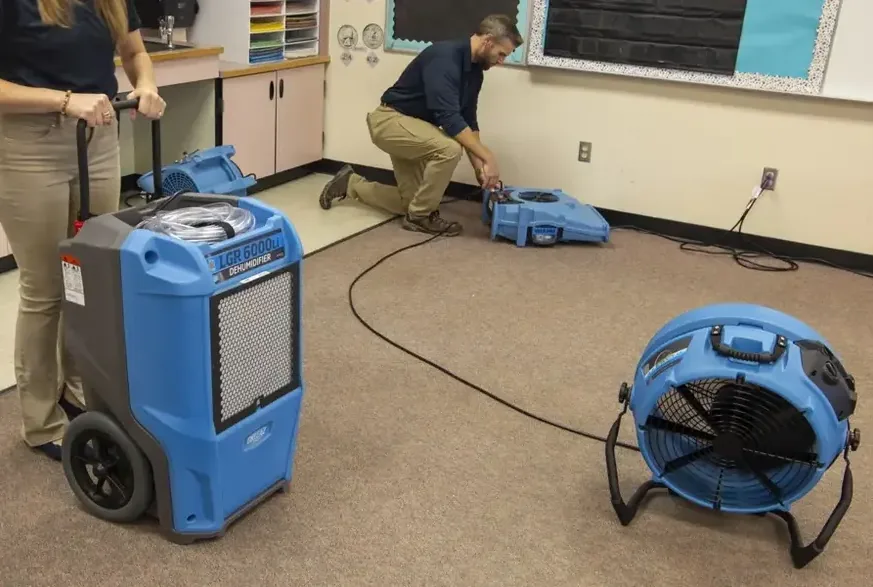
First steps
First steps for structural drying
- Explain the original water sourceDescribe the release, completed repairs and any fresh moisture since extraction. Stable source control allows retained materials to make useful progress under the planned drying arrangement.
- Identify access to hidden layersTell the assessor about opened walls, removable trim or a lower space beneath the floor. These details help determine where measurements and airflow can reach the components that remain wet inside the assembly.
- Discuss daily room requirementsBedrooms, bathrooms and passageways may need continued access during the project. A practical drying layout considers those needs alongside safe electrical supply, equipment placement and the openings required to treat retained materials effectively.
- Keep equipment changes coordinatedReport noise, blocked access or an interrupted machine instead of moving equipment independently. Adjustments should preserve the planned air conditions and allow the project record to explain any interruption in the material drying progress.
Planning costs
What does structural drying cost in Sherrills Ford, NC?
Structural drying in Sherrills Ford is scoped around retained materials, enclosure access and the monitoring needed to establish progress. These ranges describe drying scenarios; extraction, contaminated material removal and finish reconstruction should be identified clearly when included in a larger project.
Small accessible assembly
$1,000 to $2,000- A compact group of retained materials
- Direct access for useful moisture measurements
- Straightforward placement of air handling equipment
Several connected rooms
$2,000 to $4,000- Wet components crossing interior room boundaries
- Equipment arranged around multiple material groups
- Progress checks across adjoining affected surfaces
Dense or concealed materials
$4,000 to $6,000+- Restricted moisture release within layered assemblies
- Additional access or adjusted drying methods
- Closer tracking of slowly changing components
Estimate only. The water damage cost calculator shows how wet area, contamination and material choices affect the planning range.
Measured work
The structural drying process
Set material based objectives
The inspection identifies retained wet components and comparison conditions, creating a record of the assembly that needs drying before equipment placement or later progress decisions are made.
Establish access and air conditions
Openings and equipment positions allow moisture to leave the affected layers. The setup accounts for contamination status, safe power and the difference between exposed surfaces and concealed material pockets.
Measure and adjust the arrangement
Compare readings against the map. Limited progress prompts changes to access, airflow or retention based on material response.
Document the repair handoff
The last assessment records suitable conditions and remaining damage, providing a basis for reconstruction while identifying any component that needs replacement or further attention before the assembly is closed again.
Structural drying in Sherrills Ford starts where visible water removal ends. The surfaces selected for retention may still contain moisture inside their thickness or behind an adjoining finish. An effective arrangement connects those materials to controlled air conditions and verifies progress with repeated readings at relevant locations.
Build the drying area around the assembly
Residential development follows Lake Norman's western shore and inlets within the wider census area. Each affected home still presents its own combination of flooring, walls and concealed cavities. Inspection identifies that construction before choosing openings, equipment positions and the materials that can reasonably remain in place.
- Map retained wet components and suitable unaffected comparison locations.
- Identify finishes that obstruct access to damp insulation or backing.
- Keep equipment routes clear without blocking essential safe household exits.
- Record any new release that could interrupt the drying progress.
Read progress where moisture is hardest to reach
Monbo and Long Island belong to the broader Lake Norman of Catawba area. Within a drying project, the meaningful boundaries are the wet assemblies. Dense wood, enclosed floor backing and wall intersections can progress differently, so measurements should follow those material differences rather than only the room's ambient air.
Moving air equipment, disconnecting dehumidifiers or replacing an access panel can change the planned conditions. Occupants should discuss noise, cords and room access with the project contact instead of making unplanned adjustments. Electrical safety and a clear walking route remain essential, and contamination must be addressed before drying air is directed through an affected assembly.
Use the final readings to prepare repairs
A drying record explains what was retained, how conditions changed and which components still need replacement. The end decision considers the material and the next finish, including backing beneath wood flooring. Suitable conditions support rebuilding, while an unresolved wet pocket calls for a changed access or drying approach before the cavity closes.
Coverage
Structural drying in Sherrills Ford
Sherrills Ford drying requests can include the 28673 ZIP and details of the affected building assembly. Explain existing openings, retained wet materials and essential room access so the assessment can consider both treatment and practical occupation during the work.
The same service nearby: structural drying in Cornelius, Westport, Stanley.
Water damage restoration in Sherrills Ford · every town covered
Related services
Related water damage services in Sherrills Ford
Questions
Structural Drying questions in Sherrills Ford
(888) 578-4720Discuss the retained wet assembly01Why is equipment needed after the puddles are gone?
Extraction clears accessible liquid, while wood, backing and other materials can retain moisture. Drying equipment creates conditions that help those components release water, with measurements used to verify progress inside the affected assembly.
02Can the homeowner decide completion by touching the wall?
A surface can feel dry before the material behind it reaches a suitable condition. Readings at relevant components and comparisons with appropriate reference areas provide a more useful basis for the decision to begin repairs.
03Does every wet material dry at the same pace?
Different materials and enclosure conditions release moisture differently. Dense components, layered floors and restricted cavities can require adjusted access or equipment, so progress should be assessed by material rather than by a single room observation.
04Can windows stay open while drying machines run?
The setup depends on controlled conditions within the work area. Unplanned changes to ventilation can affect that arrangement, so occupants should discuss comfort and access needs before altering windows, doors or equipment during the project.
05What happens if readings stop improving?
The drying approach needs reassessment. Restricted access, ongoing leakage or unsuitable retained material can limit progress, and the plan may need another opening, different equipment placement or a revised removal decision to address the cause.
06Is a drying record useful after the work ends?
It explains the affected components, measurements and final condition, helping the homeowner and repair contractor understand what was treated. Keeping it with source repair records and photographs supports a clear account of the restoration work.
24/7 water damage response
Measure progress where the moisture remains
Describe the materials, existing openings and daily access needs so the drying plan can address concealed dampness with practical equipment arrangements.