Water escaping around the tank
Westport Water Heater Leak Cleanup
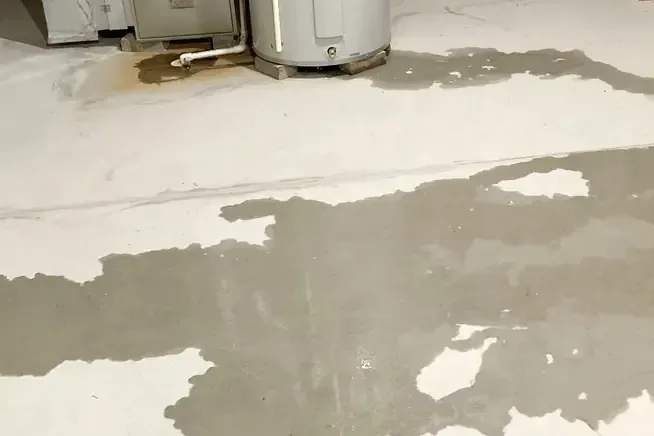
A tank leak can wet the wall behind the heater while water spreads across the open floor. In Westport, cleanup follows both routes and checks nearby finishes after the equipment has been safely isolated and its repair arranged.
(888) 578-4720Discuss the tank's surrounding water damage- Safe equipment isolation
- Adjacent room checks
- Drying around fixed equipment
First steps
First steps for water heater leak cleanup
- Describe the active releaseExplain whether water comes from the tank area, a connection or an unknown point nearby. Avoid reaching behind wet equipment to confirm the source before safe isolation has been established.
- Arrange suitable equipment assistanceHeater controls and supply connections require appropriate handling. Keep occupants clear of hot water and wet electrical components while the source is assessed and the equipment repair or replacement is coordinated.
- Identify adjacent storage and roomsMention boxes, cabinets or finished spaces beside the heater. Their position can affect both water spread and the access needed to inspect surfaces that remain hidden behind the tank.
- Keep replacement timing connected to dryingBefore new equipment blocks the area, allow the surrounding materials to be assessed. A damp wall base or floor layer may need direct access that becomes harder after installation is complete.
Planning costs
What does water heater leak cleanup cost in Westport, NC?
Water heater cleanup costs in Westport vary with the materials surrounding the tank and how far the release traveled. A local puddle needs a different scope from concealed damage behind equipment or water that entered adjoining finished living areas.
Water near the tank
$900 to $1,800- Accessible liquid around the equipment base
- Immediate surroundings checked for absorbed moisture
- Contained drying setup near exposed surfaces
Leak reached an adjoining room
$1,800 to $3,200- Water crossing thresholds into finished space
- Additional floor coverings needing separate assessment
- Wall edges measured beyond the equipment
Concealed or prolonged spread
$3,200 to $4,500+- Moisture hidden behind the tank location
- Damaged backing or trim needing access
- Broader removal around connected wet materials
Estimate only. The water damage cost calculator shows how wet area, contamination and material choices affect the planning range.
Measured work
The water heater leak cleanup process
Confirm safe source access
The heater's operating condition and the status of isolation are clarified before cleanup work approaches wet controls, hot water or connections requiring appropriate equipment assistance.
Extract across the release path
Visible water is removed from accessible surfaces, and the inspection follows the route into nearby storage positions, doorways and wall bases beyond the tank itself.
Inspect behind equipment during access
When repair or replacement exposes hidden areas, the surrounding assembly is checked so necessary drying and removal can occur before the space becomes obstructed again.
Complete the material handoff
The documentation records retained surfaces and their drying progress, while identifying tank work and finish replacement as separate remaining tasks where they fall outside the cleanup scope.
Replacing a leaking tank can reveal a damp wall or damaged floor edge that was hidden behind the equipment. Those surrounding materials need their own cleanup plan. An open floor may shed water quickly while trim, nearby storage and enclosed spaces retain moisture well beyond the original puddle.
Identify what lies beside the heater
Westport is in northeastern Lincoln County beside Lake Norman. Graham Creek and Burton Creek help describe locations within the community, while the tank's actual position determines the inspection inside each home. A heater beside finished walls creates different access needs from equipment sitting next to an exposed, easily inspected surface.
- Check the base of nearby storage before carrying boxes into dry rooms.
- Inspect adjoining thresholds where the release could have passed under a door.
- Record wet trim concealed behind the tank before replacement limits access.
- Assess material underneath the equipment when safe removal exposes that surface.
Use replacement access to reveal hidden damage
If the tank must be moved, coordinate the timing with the material assessment. That opening may expose the only practical access to a wet wall base or backing layer. The work record should identify what needs drying before the replacement equipment or adjacent finish returns and makes the area difficult to inspect again.
A leaking heater can involve hot water and electrical or fuel connections. Residents should avoid touching wet controls or attempting to move the tank. Appropriate plumbing and equipment assistance should establish safe isolation. Keep the surrounding route clear of stored belongings where possible without entering the wet area or handling unstable, water soaked items.
Check where the release ended
The smallest gap beneath a partition can carry water to another room. Measurements should follow the visible route and test its edges after extraction. Drying then addresses retained materials around the heater and any connected wet assembly, with a clear distinction between completed cleanup, tank work and replacement of damaged household finishes.
Coverage
Water heater leak cleanup in Westport
Water heater damage assessments cover Westport homes across the Lake Norman community, including locations described near Graham Creek or Burton Creek. State where the tank sits, whether it still leaks and which adjoining surfaces have become wet.
The same service nearby: water heater leak cleanup in Cornelius, Sherrills Ford, Stanley.
Related services
Related water damage services in Westport
Questions
Water Heater Leak Cleanup questions in Westport
(888) 578-4720Discuss water around the heater01Does replacing the heater also remove the water damage?
Replacement addresses the equipment problem, while walls, backing and nearby contents may retain moisture. Those surrounding materials need assessment, particularly where the old tank prevented access to the wet surface behind or beneath it.
02Can water travel out of the heater's room?
Yes. Water can cross a threshold or pass beneath trim into a connected space. The inspection should follow that route and measure adjoining materials after visible puddles around the heater have been removed.
03Should storage boxes be moved immediately?
Dry boxes on a safe route can be protected, but soaked items near wet equipment need careful handling. Their bottoms may release water or fail when lifted, spreading damage into unaffected storage or living areas.
04Who handles the heater's electrical or fuel connections?
Appropriate equipment and plumbing assistance should address those connections and establish safe isolation. Residents should avoid touching wet controls or moving a tank simply to make room for extraction equipment around its base.
05Why inspect before the new tank is installed?
The removal opening may reveal wet wall backing or flooring that will become difficult to reach again. Coordinating inspection with replacement allows those materials to be addressed while practical drying access is available.
06What if only a small amount escaped?
The visible quantity may be limited, but contact with absorbent finishes still matters. Check the materials reached by the release and use moisture findings to decide whether extraction, drying or selective removal is needed.
24/7 water damage response
Coordinate tank work with surrounding material recovery
Describe the heater location and adjacent wet rooms so cleanup can address hidden surfaces while the equipment repair or replacement creates useful access.