Leakage discovered during thawing
Westport Frozen Pipe Water Damage Cleanup
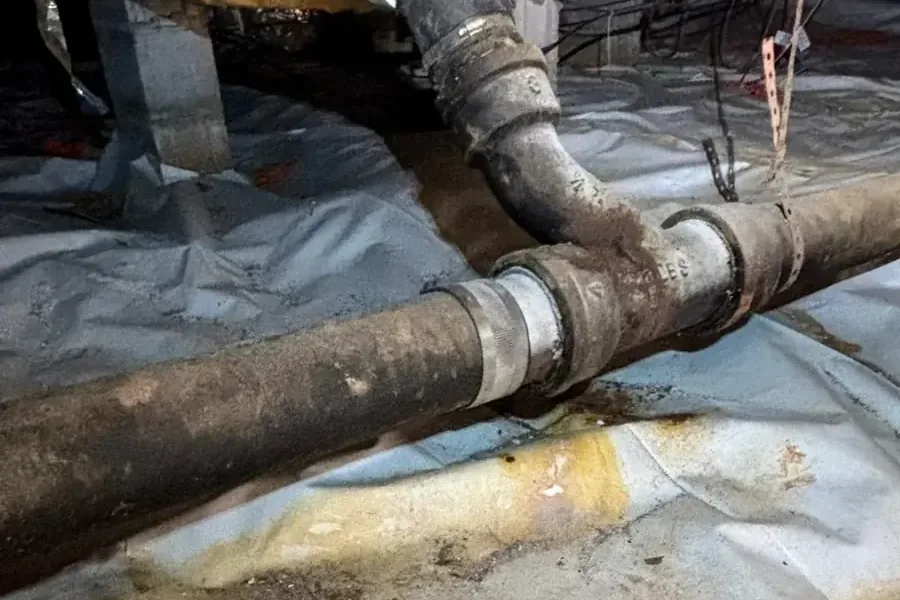
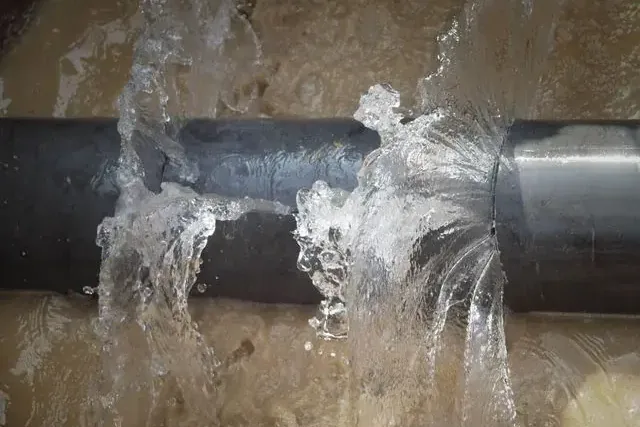
The first sign of a freeze damaged pipe may arrive when water begins flowing again. For a Westport property with a thaw leak, cleanup must account for the failed section and any enclosed materials soaked during that return.
(888) 578-4720Discuss water released during thawing- Controlled supply return
- Enclosed space assessment
- Moisture tracking after repair
First steps
First steps for frozen pipe water damage
- Describe the sequence of symptomsExplain whether water stopped flowing, when thawing or leakage was noticed and which supply was shut off. The order of events helps direct the plumbing and moisture assessment.
- Keep heating attempts controlledDo not use open flames or improvised heaters around a damaged pipe. Appropriate plumbing assistance can address the frozen section while the household remains clear of wet electrical hazards.
- Protect the area belowIf staining or dripping appears overhead, keep the floor beneath it clear. Saturated ceiling material needs safe assessment before anyone works underneath or attempts to release trapped water.
- Retain access after the repairAvoid immediately replacing the wall or enclosure panel. The surrounding material may need drying access, and the repaired section should be checked when the supply is restored under observation.
Planning costs
What does frozen pipe water damage cost in Westport, NC?
Frozen pipe water damage costs in Westport reflect the volume released during thawing and the access needed around enclosed plumbing. A limited discharge differs from a wet insulated cavity or damage spread through several connected areas of the property.
Limited thaw discharge
$1,300 to $2,500- Water contained near the damaged connection
- Accessible surfaces checked after source isolation
- Focused removal and initial moisture measurements
Enclosed cavity loss
$2,500 to $4,500- Wet insulation obscuring the affected assembly
- Selective opening needed around concealed plumbing
- Equipment arranged for exposed cavity surfaces
Several areas affected
$4,500 to $6,500+- Thaw leakage reaching connected interior rooms
- Different assemblies requiring separate drying checks
- Wider material handling and equipment placement
Estimate only. The water damage cost calculator shows how wet area, contamination and material choices affect the planning range.
Measured work
The frozen pipe water damage process
Establish the leak history
The assessment connects the interruption in flow, the discovery of water and any isolation steps with the visible and measured damage around the plumbing.
Inspect the opened enclosure
Materials around the failed section are checked for saturation, deterioration and access limitations, helping determine what can remain and what needs removal before drying.
Maintain controlled drying conditions
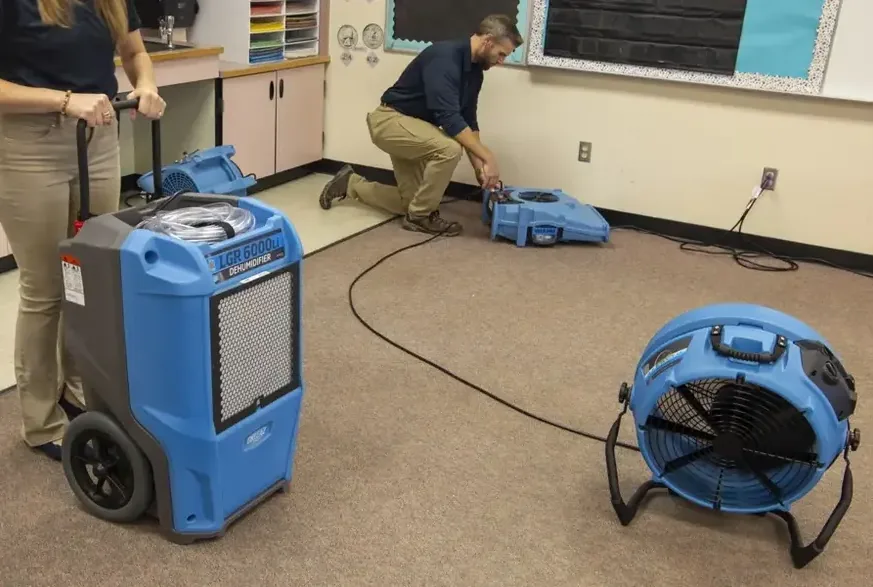
Equipment addresses retained wet materials after active leakage stops. The setup accounts for the enclosure, nearby contents and safe access to the repaired plumbing section.
Confirm progress after supply restoration
Readings and visual checks continue once the plumbing is operating, so a renewed release can be identified separately from residual moisture leaving the previously soaked assembly.
A pipe that stops delivering water deserves attention before the flow returns. If a split opens during thawing, the leak may develop inside an enclosed area where its first visible sign is damp trim or staining below. Source control and an inspection of that enclosure need to work together.
Watch the transition back to flowing water
The cleanup plan for Westport should identify when leakage began, what supply was isolated and which rooms changed afterward. Lake Norman borders the community's eastern setting, Graham Creek forms its southern boundary and Burton Creek extends into its center. The condition of the affected plumbing determines the response within each property.
- Note fixtures that stopped delivering water before the leak became visible.
- Retain the plumber's description of any split pipe or damaged connection.
- Look for wet finishes below the repair area from a safe location.
- Keep access open around the repaired section while its condition is checked.
Insulation can hide the remaining moisture
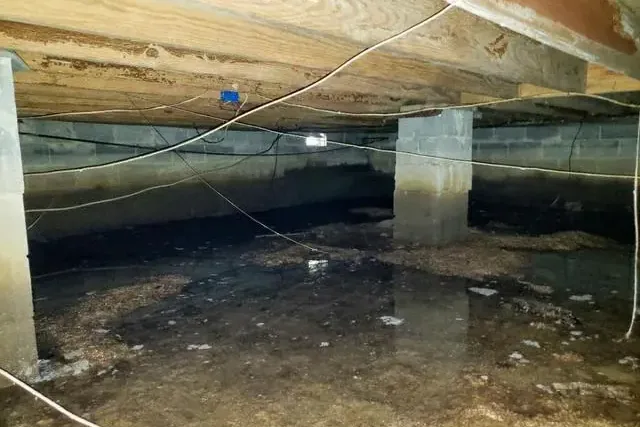
Enclosed plumbing may sit beside insulation or behind a finished panel. After a thaw leak, those layers need assessment before the cavity is closed. The technician measures the exposed framing and checks insulation for trapped moisture. Those readings determine airflow placement, further opening and the timing of repairs at the damaged section.
Open flames or uncontrolled heat can create additional hazards around a concealed pipe. Residents should arrange appropriate plumbing help instead of forcing a thaw inside a wall or restricted enclosure. Standing water also changes electrical safety. Keep portable heaters, extension cords and other household equipment away from the wet area while safe access and isolation are established.
Reopen the supply with observation
Once repairs permit water to return, the affected section and nearby connections should remain observable. Any renewed leakage changes the cleanup scope and interrupts drying progress. A clear record of the source repair, wet materials and subsequent readings helps separate ongoing water entry from moisture gradually leaving the structure.
Coverage
Frozen pipe water damage in Westport
Thaw leak assessments are available for Westport homes identified around Lake Norman, Graham Creek or Burton Creek. Explain where the damaged pipe sits, whether water has returned and which surrounding finishes now show moisture or staining.
The same service nearby: frozen pipe water damage in Cornelius, Sherrills Ford, Stanley.
Related services
Related water damage services in Westport
01Can a pipe leak only after it begins thawing?
Yes. A damaged section may release water as flow returns. That makes observation during supply restoration important, especially when the pipe sits behind a wall or inside an enclosure with limited visibility.
02Does a thaw leak always require wall opening?
Access depends on where the damaged pipe and wet materials are located. An existing opening may be enough, while a concealed wet cavity can require selective removal so both plumbing and drying work can proceed.
03Should insulation go back immediately after plumbing repair?
Insulation should be assessed along with the surrounding assembly. Wet or unsuitable material can obstruct drying, and enclosing damp framing too early makes it harder to measure progress or identify a renewed leak.
04What if several fixtures lost water before the leak?
Tell the plumber and cleanup assessor which fixtures changed and in what order. That information can help identify the affected supply path and locations where released water might have entered concealed building materials.
05Can a household heater speed up the recovery?
Improvised heating around a wet enclosure can create electrical or heat hazards. Drying needs controlled equipment placement and moisture removal, with measurements showing whether retained materials are responding to the selected approach.
06When should the repair opening be closed?
The plumbing should be stable and the surrounding materials should meet the drying goal established for that assembly. Closing the opening based only on a dry surface can conceal moisture still held deeper inside.
24/7 water damage response
Assess what the thaw left wet
Describe the flow interruption and the damaged area so plumbing access and material drying can be coordinated around the property's actual conditions.