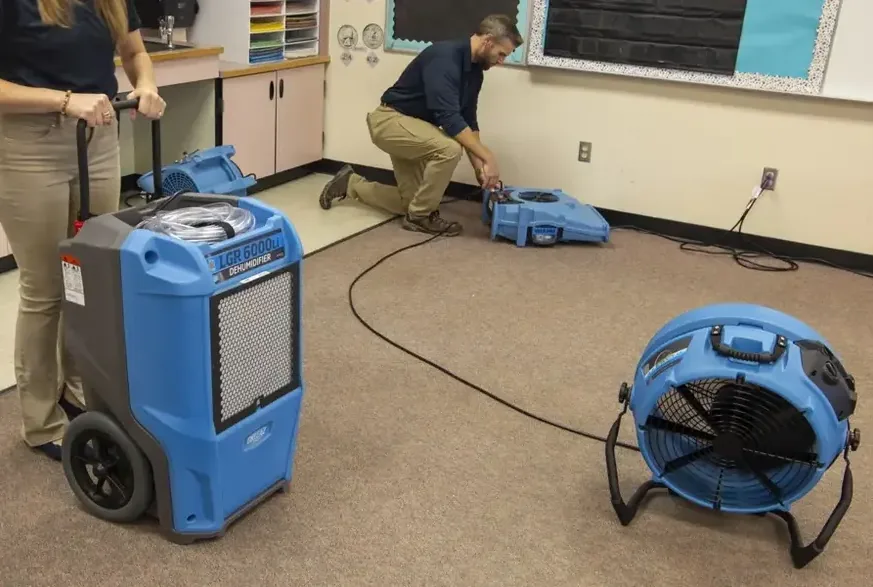
Sherrills Ford is an unincorporated community in eastern Catawba County, within the broader Lake Norman of Catawba census area. Residential development in that area occupies the western lake shore and the shores of western inlets. Inside an affected home, a drying plan starts with the rooms and materials touched by water. A clear material map helps an owner understand why an open floor, a wall edge and a concealed cavity can need different attention.
Key takeaways
- Room labels should stay consistent from the first inspection through the last moisture check.
- Measurements should identify the material being tested as well as the location.
- Equipment changes need an explanation tied to the wet assembly and its response.
- The final repair handoff should include concealed areas inspected before they are closed.
Give every measurement a recognizable location
A reading described only as being from the back wall can become confusing when several rooms share that description. A more useful label connects the room, a fixed feature and the material, such as the sitting room wall beside an interior doorway.
The owner can recognize the location even after furniture moves.
An initial sketch can show the source area, the visible water boundary and the places selected for repeat checks. Technicians can add adjoining rooms when inspection finds moisture beyond the first reported space.
Keeping the original labels makes the record readable as the scope develops during the response.
The structural drying service uses those material observations to organize treatment. A homeowner can ask the technician to explain the sketch before equipment is arranged.
Understanding the map makes later reports more useful than a list of readings with no connection to the occupied rooms.
- Use the same room names in photographs and measurement notes.
- Identify whether the point is on flooring, trim or framing.
- Mark areas that could not be reached during the first inspection.
- Add newly discovered wet locations without renaming the original ones.
Look beyond the surface that first appeared wet
A floor can look clear after water recovery while an adjacent wall base still contains moisture. The inspection should consider how the water moved through the assembly and where it could remain concealed.
Visible staining and material measurements provide different pieces of that picture, so both belong in the condition record.
Mountain Creek Park is a local landmark with trails for biking, hiking and trail running. At a nearby home, the practical inspection details are the building's own doors, walls and floor transitions.
The crew needs to establish those features directly to connect an owner's first observation to the materials requiring attention.
If water has gathered in an accessible low area, water extraction can remove it before the retained assembly is evaluated further. The inspection can then focus on edges and layers that held moisture behind the puddle.
Photos taken before recovery preserve the original spread for comparison.
- Check transitions between different floor materials.
- Record wet trim beside the originally affected room.
- Photograph visible distortion before material removal.
- Identify any opening needed to inspect a concealed layer.
Explain each opening before material is removed
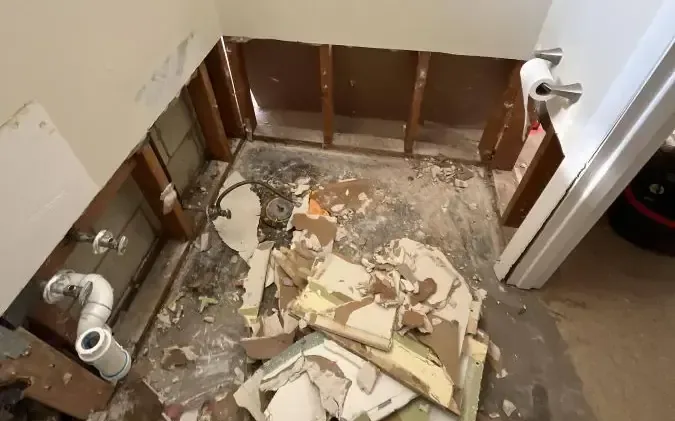
Opening a wall can serve several purposes, including inspecting a cavity, removing affected insulation or reaching wet framing. The technician should explain which purpose applies at the proposed location.
An owner can then connect the opening to a specific finding rather than seeing a series of unexplained cuts across a room.
The material exposed behind the finish should receive its own description and condition assessment. Photographs can show the location of retained framing and any layer removed for treatment.
A note on the room sketch helps a repair contractor understand the opening after equipment and temporary protection have been removed.
The work area also needs protection for nearby dry contents. Furniture movement, dust control and a carry route should be arranged before removal begins.
A household benefits from knowing which part of a room must remain clear and how the crew will handle the material taken out of the assembly.
- State the inspection or drying purpose of each opening.
- Keep photographs of the newly exposed assembly.
- Record removed material separately from retained material.
- Agree on a dry storage location for moved belongings.
Keep equipment connected to the drying objective
Air movers and dehumidification equipment should serve the affected materials shown on the map. Placement needs to account for access, safe movement and the exposed surfaces being treated.
The homeowner should receive instructions about equipment operation and the room conditions the crew intends to maintain during the work.
If doors or equipment positions change because the home remains occupied, those changes should reach the technician. A setup designed around an open cavity may be affected when furniture returns against it.
Clear communication helps keep the treatment consistent while allowing practical adjustments for the household's access needs.
Progress reports should explain why equipment stays, moves or is removed. When an open surface improves but a concealed edge remains wet, the next decision may involve better access to that edge.
The report can connect that adjustment to the measured location instead of describing equipment use as a fixed routine.
Respond to new water before judging progress
A continuing source can wet an area that had begun to dry. The owner should report new dripping, a spreading stain or fresh collection immediately so the source can be reassessed.
The measurement log should distinguish this change from the earlier drying response, preserving the sequence of events in the affected room.
For exterior water entry, the storm cleanup page describes the related response. A new entry observation should identify the opening and the time it appeared.
Repair coordination can then focus on the current source while the drying team reviews the materials exposed again.
Lake Norman is a reservoir on the Catawba River, and its western inlets form part of the broader residential setting. Within a home, the useful progress comparison remains the same labelled material point under the current conditions.
That location based record helps the owner see what changed after additional water arrived.
Make concealed work visible in the handoff
When a finish is replaced, the cavity behind it becomes difficult to inspect again. Final photographs should therefore show the treated space before closure, alongside the measurement locations and results.
The repair contractor can use the record to identify retained materials and the edges where replacement work is needed.
A complete drying account also identifies areas outside the inspected scope and any access still required. An owner should know whether a locked room, stored contents or a separate repair prevented completion of a particular task.
That information belongs in a practical remaining work list with the responsible contact identified.
The household can keep the room sketch, source repair notes and final drying report together. If a later issue appears at the same wall or doorway, those records provide recognizable reference points for the next inspection.
They also explain what was completed before the finished surface was restored.
Questions
What does a drying map show?
It identifies affected rooms, material types and repeat measurement locations. A clear map also marks inspection openings and helps connect equipment placement to the surfaces being treated.
Why might a wall need more attention than the open floor?
The wall can contain a concealed wet layer that the floor inspection does not reach. Technicians assess the assembly and decide whether better access is needed for inspection or drying.
Should an owner move equipment to make a room quieter?
The owner should discuss the concern with the technician before changing the setup. The crew can explain the purpose of the placement and consider an adjustment that preserves the drying objective.
What should happen if new water appears?
The source needs prompt reassessment, and the crew should document the fresh exposure separately. New observations help the repair trade address the entry while moisture checks track the affected materials.