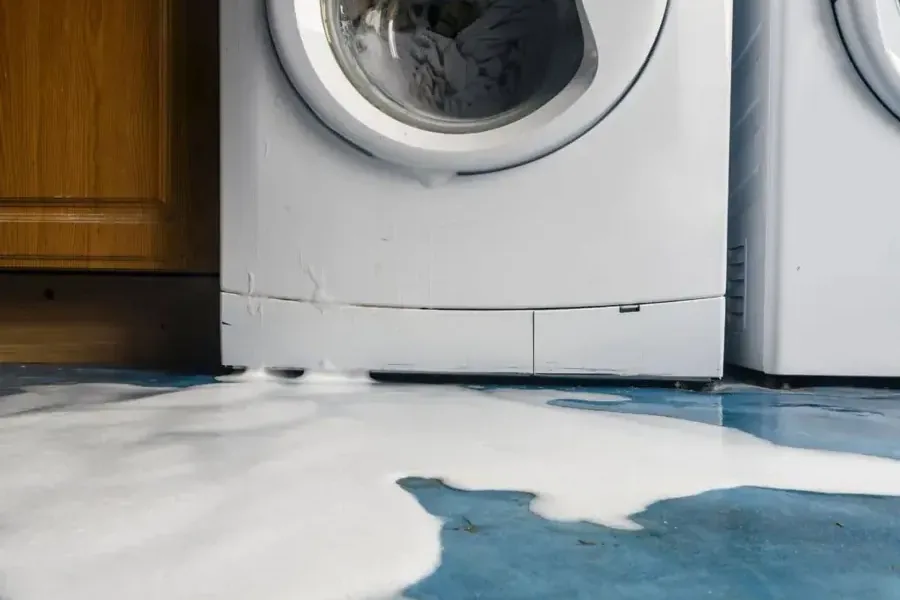
The Meadows of Mint Hill is a detached house community with homes built between 2005 and 2007. An appliance release inside a home can move from a laundry area into an adjoining room before the owner sees its full spread. The useful response follows the water from the machine through the floor transitions it crossed. Source repair, contents movement and moisture checks should all refer to that same room map.
Key takeaways
- The appliance should stay out of use until the source is safely assessed and repaired.
- A first report should distinguish water near the machine from water found in adjoining rooms.
- Photos should preserve the position of wet boxes, rugs and furniture before they move.
- Floor edges and cabinet bases need their own checks after the visible puddle is removed.
Describe the machine and the first wet surface
An appliance leak report should identify the machine, whether it was operating and where water first became visible. Water beneath the appliance, at a connection or across the room can lead to different inspection questions.
The owner can provide those observations without moving a heavy machine or reaching through water to disconnect it.
Occupants should keep clear of wet electrical components and arrange qualified attention to unsafe conditions. If the appliance remains in operation, the owner should describe that status to the responsible professional and follow safe source control instructions.
Repeating a cycle to recreate the problem can release more water into the same assembly.
The appliance leak cleanup page covers the building materials affected by the discharge. A repair professional evaluates the machine or its connections, while the restoration crew traces the resulting moisture.
Keeping both tasks visible helps the owner coordinate the equipment repair with the room cleanup.
- Identify the appliance involved in the release.
- Record whether it was running when water appeared.
- Describe the first visible wet patch from a safe position.
- Keep the machine out of use pending source assessment.
Follow the doorway into the next room
A laundry floor can connect to a hallway, garage or other occupied space. The room map should show the threshold and the direction water appeared to move across it.
An adjoining floor covering may conceal moisture differently from the surface beside the machine, so the inspection needs both sides of the transition.
Brighton Park includes detached houses and townhomes, while Summerwood contains larger detached homes. Across those layouts, the useful question is which rooms actually connect to the appliance area.
The owner can identify a hidden closet entrance or a room below that the crew might otherwise miss in the first walkthrough.
The water extraction service recovers accessible liquid along the affected route. Technicians should retain the original boundary in photographs and notes before that visible water disappears.
Later material checks can then be compared with the route reported when the floor was still wet.
- Mark the appliance room and adjoining doorways.
- Identify changes in floor material at each transition.
- Report water seen in a lower room or nearby closet.
- Keep a record of the original visible spread.
Keep moved contents tied to their original position
Laundry areas often contain baskets, cleaning supplies and stored belongings that hide the floor edge. Before items move, a safe photograph can show which containers sat in water and which remained above it.
The owner should identify the origin of each moved group so the contents record stays useful after the room is cleared.
A dry staging area should remain apart from wet packaging and the crew's carry route. An affected rug or box should receive a condition assessment rather than being placed against a dry wall elsewhere.
Material handling decisions can then account for the exposure while protecting the rest of the household's belongings.
Where a heavy appliance must move for inspection, the work should be coordinated with the person responsible for its connections. The crew needs access behind or beneath it without creating a fresh release.
Photographs of the newly exposed floor and wall help connect hidden damage to the original appliance position.
- Label the source room for relocated belongings.
- Separate wet containers from dry household storage.
- Arrange safe appliance movement with the responsible professional.
- Document surfaces revealed after the machine moves.
Inspect cabinet bases and concealed floor edges
A small visible pool can extend beneath a cabinet toe space or along a wall base. Technicians should check those edges and explain any access needed to inspect the assembly.
The homeowner can ask which material is wet and whether the planned opening is for measurement, removal or improved drying access.
Flooring layers require individual assessment after a release. The top surface, the material beneath it and the adjoining trim may respond differently to water.
A useful report names the actual product or assembly found at the property rather than treating every floor as interchangeable during the cleanup decision.
A community construction period provides background about The Meadows of Mint Hill, while the inspection identifies the current appliance, connections and finishes in the affected house. Replacement work and later improvements can change a room over time.
The cleanup plan should therefore describe the materials present when the loss is inspected.
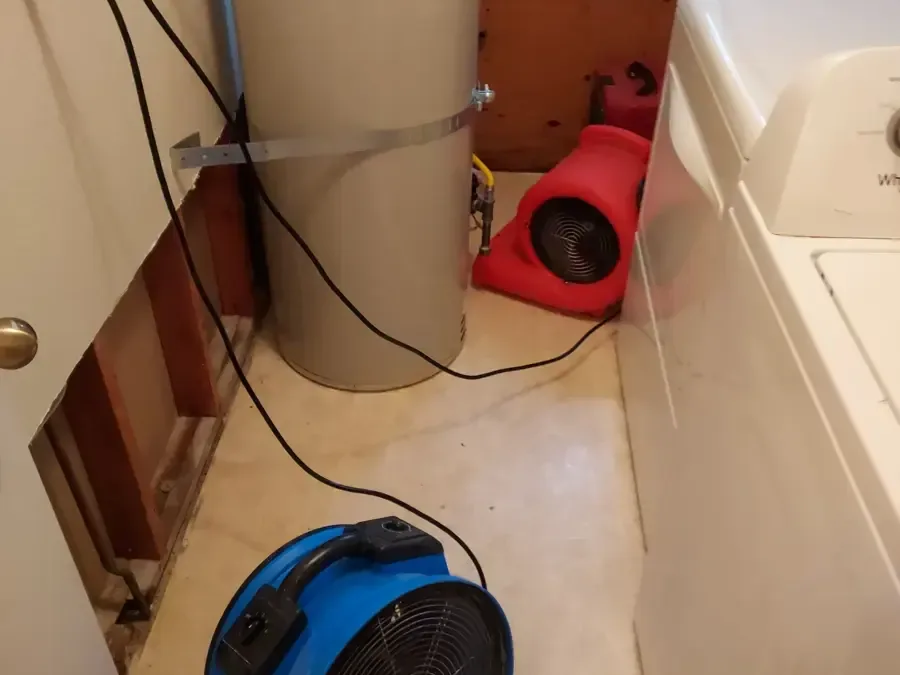
Track the edges that remain wet after recovery
Once open water is removed, the crew can concentrate on retained materials that still require drying. Measurement locations should include the appliance footprint, affected wall edges and relevant transitions into other rooms.
Using the same labels through later visits makes progress easier for the owner to follow without another full walkthrough.
The structural drying service uses equipment arranged around the wet assembly and available access. A cabinet edge may need attention different from an open floor.
The report should explain adjustments where a concealed location responds slowly or an additional wet layer becomes accessible during the work.
The household should report any new moisture after the appliance repair. A fresh drip, spreading floor edge or damp cabinet base belongs in a new observation entry, with the operating status of the machine included.
That detail helps the repair professional determine whether further source work is needed.
Reunite the appliance repair and room restoration records
The appliance repair account should state what was inspected or replaced and how the machine was returned to service by the responsible professional. The restoration record should explain water recovery, material decisions and the condition of retained surfaces.
Together, they show both the source work and the room's preparation for finish repairs.
Before trim or cabinet panels conceal the inspected area, the owner can request photographs of the treated assembly. Those images belong beside the final moisture results and the list of replacement finishes.
A repair contractor can then identify the edges of the work without guessing where the wet route originally passed.
After restoration, the household can keep the appliance connection area accessible for ordinary maintenance and retain the room map. If another release occurs, the new report should describe the fresh observations.
The earlier documentation helps identify the same threshold or cabinet location while preserving a separate account of the later event.
Questions
What should be included in an appliance leak report?
The owner should name the appliance, describe its operating status and identify where water first appeared. Observations from adjoining rooms help the crew prepare to inspect the full route.
Should the machine be moved immediately?
Heavy equipment and wet electrical conditions require an appropriate safety assessment. The person handling the appliance connections should coordinate movement so inspection access does not create another release.
Why does the adjoining doorway need testing?
Water can pass beneath a transition while the exposed surfaces on either side look different. Checking that connection helps the technician identify affected flooring layers and the extent of drying needed.
What comes before replacing removed cabinet panels?
The retained assembly should receive the relevant moisture assessment and repair preparation. Photos and final location notes can preserve the treated area before replacement panels hide it again.