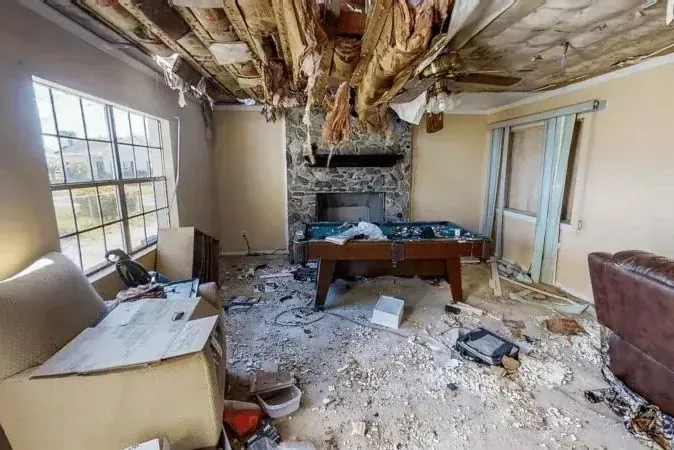
A ceiling stain noticed after rain can leave a Cornelius homeowner watching the same patch long after the weather changes. The useful next step is to preserve the timing and location of the observation, then arrange a safe inspection of the source and the affected interior. Cornelius lies along Lake Norman in northern Mecklenburg County. At an individual house, the repair plan needs the roof opening, the ceiling assembly and the path between them.
Key takeaways
- A drip record should note when rain and indoor changes were observed.
- Occupants should keep away from a sagging ceiling and wet electrical fixtures.
- A roofer's source findings should be retained beside the interior moisture record.
- Ceiling finishes should be restored after the relevant source and material checks.
Write down what changed during the rain
A homeowner may notice a new ring around an old stain, a wet seam or a drip that starts after rain has been falling. Those changes deserve separate notes rather than a single description of a leaking roof.
The sequence helps the inspector understand what was visible before the visit and which areas changed afterward.
Photographs from a safe floor position can show the mark relative to a wall, vent or light. Using the same viewpoint for a later photograph makes expansion easier to compare.
An owner should avoid standing directly beneath a bulge or approaching a wet electrical fixture to obtain a closer picture.
The roof leak water damage service addresses the affected interior after the source is assessed. A useful first report includes whether dripping continues, which room is involved and whether the household can stay clear of it.
These details help the crew plan safe access to the wet assembly.
- Describe the stain before and after the observed change.
- Note whether dripping continued after rainfall eased.
- Identify nearby ceiling fixtures from a safe position.
- Keep original photographs in their observed sequence.
Leave exterior access to the appropriate professional
A roof inspection requires suitable access and an assessment of the current conditions. The homeowner should describe the interior symptom and let the roofing professional determine how to examine the exterior safely.
Climbing onto a wet roof or reaching into an unstable ceiling space can turn an observation task into an additional hazard.
The roof findings should identify the inspected feature and the repair or temporary protection performed. If the professional documents an opening, that location can be related to the room below.
Keeping those details makes it easier for the interior crew to follow the route from exterior entry to concealed material.
The Catawba River was dammed to form Lake Norman, and the lake is a central feature of the town's setting. For a roof loss, the useful building details are closer at hand: the affected slope, the ceiling position and the spaces between.
The inspection should make those relationships clear in the repair record.
- Give the roofer the room and stain location.
- Request a description of the inspected source feature.
- Retain photographs supplied by the repair professional.
- Record whether protection is temporary or a completed repair.
Check the route above the visible ceiling mark
Water can travel along an assembly before it reaches a visible ceiling surface. An inspector should examine accessible areas along the suspected route and document affected material above or beside the mark.
The opening selected for inspection should relate to that path and the condition of the ceiling below.
Insulation, framing and finish material require individual condition decisions. A wet layer may need removal to expose another layer for assessment, while suitable retained material can enter the drying plan.
Photographs taken as access develops show what was found behind the surface that the homeowner originally saw.
A ceiling junction beside a wall also deserves attention below the overhead mark. Water may have followed that edge into trim or the floor area.
If liquid has collected in the room, water extraction can address the accessible water while the inspection continues through the concealed route.
- Mark any inspected area above or beside the stain.
- Identify each affected layer separately.
- Keep images of material revealed by an opening.
- Include lower wall and floor findings when water reached them.
Protect contents before opening the ceiling
A stained ceiling often sits over furniture that cannot remain in place during inspection or material removal. The crew and homeowner should identify a safe destination for dry belongings before the work begins.
Items already exposed to dripping need their own condition record so later handling decisions remain connected to the loss.
Protective coverings and a controlled work area can help separate the affected assembly from occupied space. The arrangement should preserve a usable exit and make the restricted area clear to anyone arriving later.
The homeowner should know which doorway to avoid and how to contact the crew if the boundary needs adjustment.
Cain Center for the Arts is a local performing and visual arts destination. In a home containing artwork or other delicate belongings, the owner should point out exposed items so their handling can be evaluated separately.
Material removal above them should begin only after the work area and contents plan are established.
Use readings to follow the repaired assembly
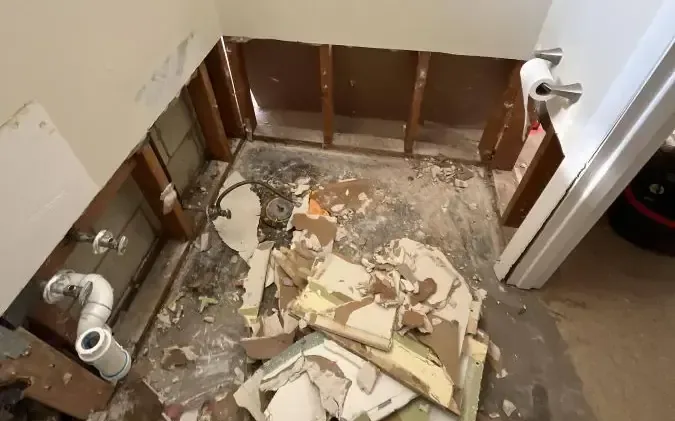
Once the exterior source has been addressed, the interior assembly can still require drying. The technician should explain which retained surfaces are being measured and how their progress will be compared.
An unchanged brown mark may remain after material conditions improve, so its appearance alone cannot set the repair schedule.
The structural drying process uses repeated material checks to assess the response to the equipment arrangement. A ceiling cavity can need access different from an open room surface.
The record should connect any equipment adjustment to the location still being treated and the reason for the change.
If dripping returns, the homeowner should report the fresh observation promptly to the repair contact and restoration crew. New rainfall timing and a photograph from the original viewpoint can help them compare the change.
The renewed source check should remain visible in the file alongside the moisture work already completed.
Finish with a repair record that follows the water
The closing account should begin with the reported stain and connect it to the source findings, interior inspection and material treatment. Keeping that sequence readable helps the homeowner understand what was repaired outside and what was restored inside.
The source professional's documentation and the drying report should use compatible location descriptions.
Before a ceiling opening is closed, photographs can preserve the treated framing and retained layers. The repair contractor should also have the final moisture assessment and a list of finish work remaining.
Those records make it easier to prepare the area for replacement material without repeating the original investigation.
The owner can keep the before and after views for future maintenance. A later mark or drip should receive a fresh report that identifies its own location and timing.
The earlier file then serves as a useful comparison, showing exactly which roof feature and ceiling area were addressed during this loss.
Questions
What is useful to record after a ceiling drip begins?
The room, position of the mark and timing of visible changes help the inspector reconstruct the sequence. Rainfall observations and photographs from a consistent safe viewpoint can accompany the report.
Should an occupant investigate above a sagging ceiling?
The affected area should remain clear while a qualified professional assesses access and unstable material. Entering above or standing below it can expose the occupant to a release of water or falling finishes.
Can a stain remain after the material dries?
Discoloration can remain on the finish even as moisture conditions improve. The technician's material assessment should inform repair preparation instead of relying on the color of the mark.
Which records should the ceiling repair contractor receive?
The contractor benefits from source repair findings, photographs of opened areas and the final moisture assessment. A clear remaining work list should identify the finishes and locations ready for restoration.